
Medications for ADHD
Attention-deficit/hyperactivity disorder (ADHD) is a neurodevelopmental condition characterized by persistent patterns of inattention, hyperactivity, and impulsivity that interfere with functioning or development. It is one of the most commonly diagnosed conditions in children, but ADHD persists into adulthood in many cases, affecting an estimated 4–5% of adults worldwide. ADHD is thought to involve differences in brain development and the regulation of dopamine and norepinephrine — neurotransmitters that play key roles in attention, impulse control, and executive function. The three main presentations are predominantly inattentive, predominantly hyperactive-impulsive, and combined; common symptoms include difficulty sustaining attention, forgetfulness, losing things, fidgeting, difficulty waiting turns, and making careless mistakes. Because symptoms overlap with many other conditions, accurate diagnosis requires a thorough evaluation.
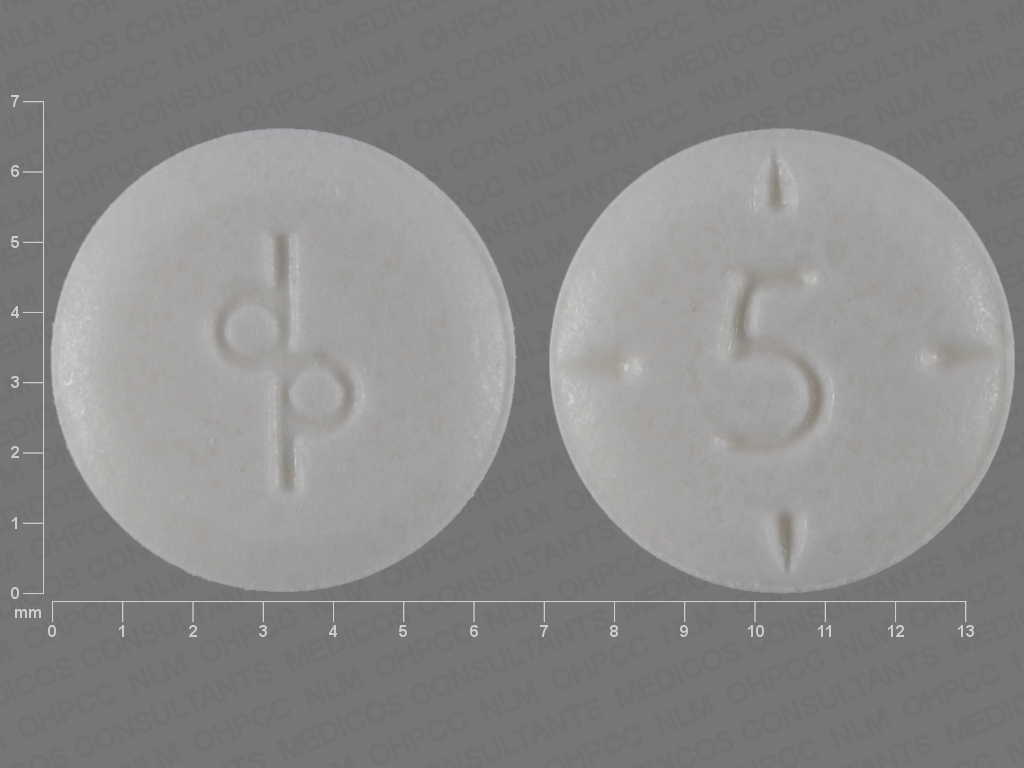
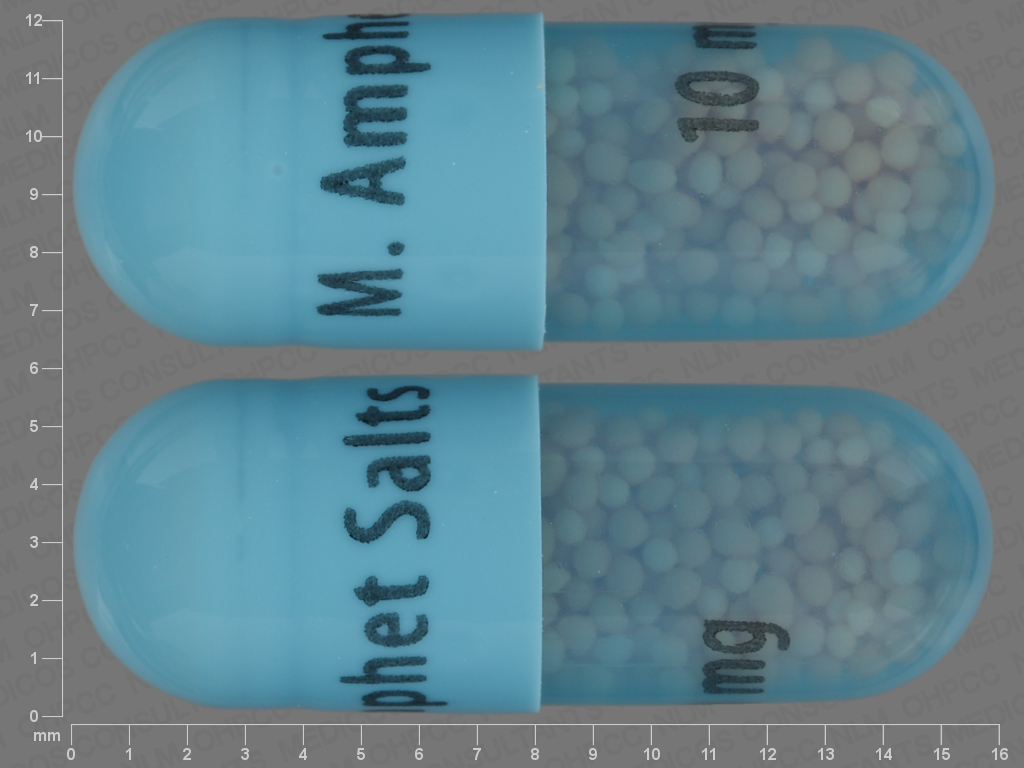
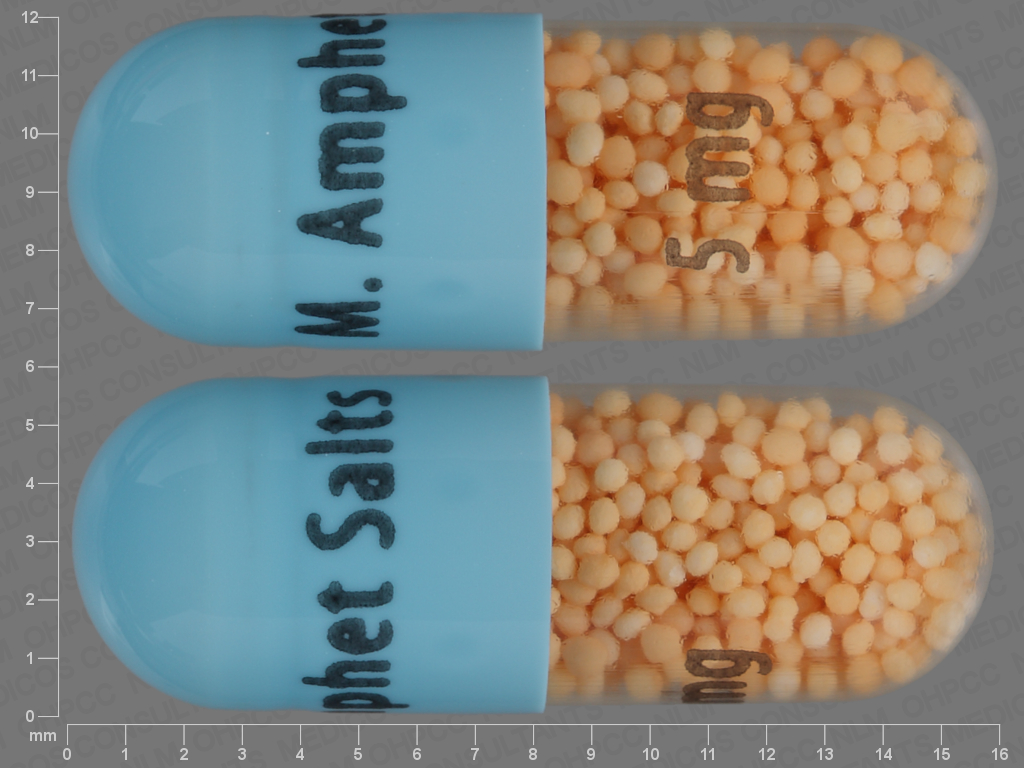
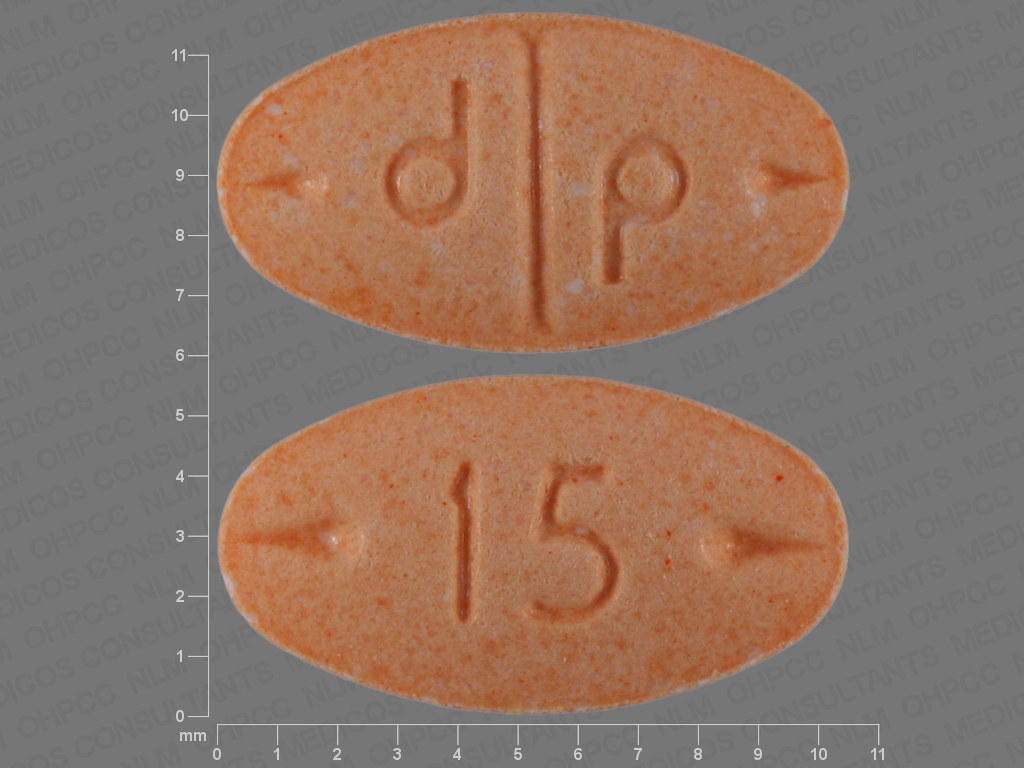
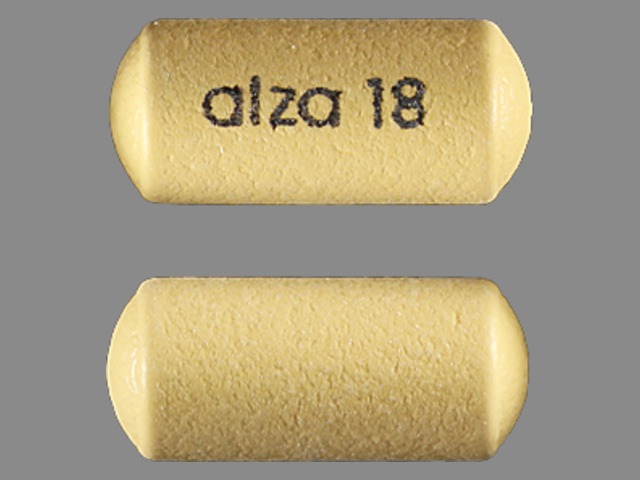
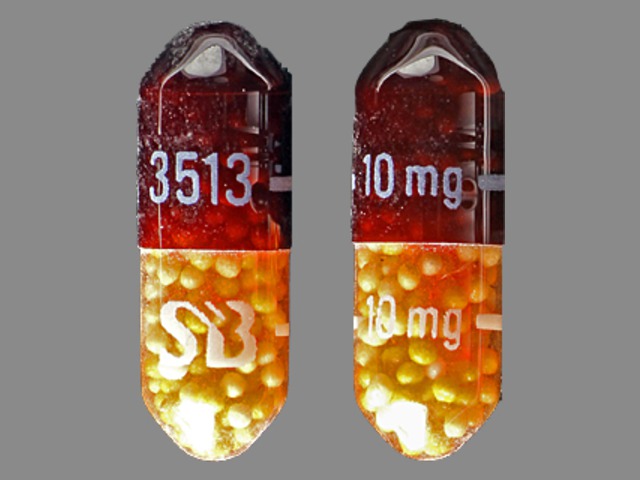
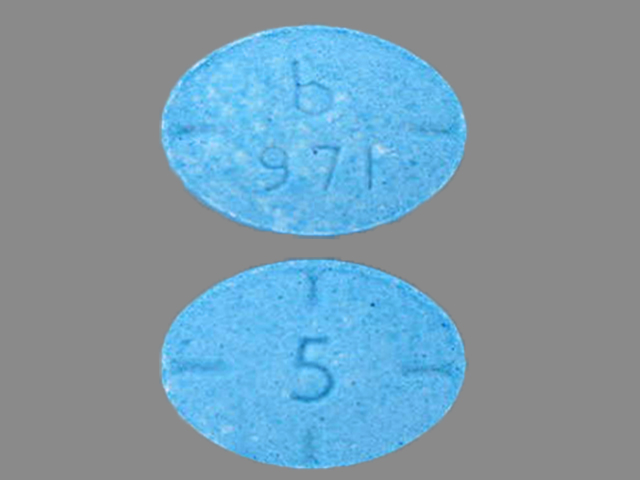
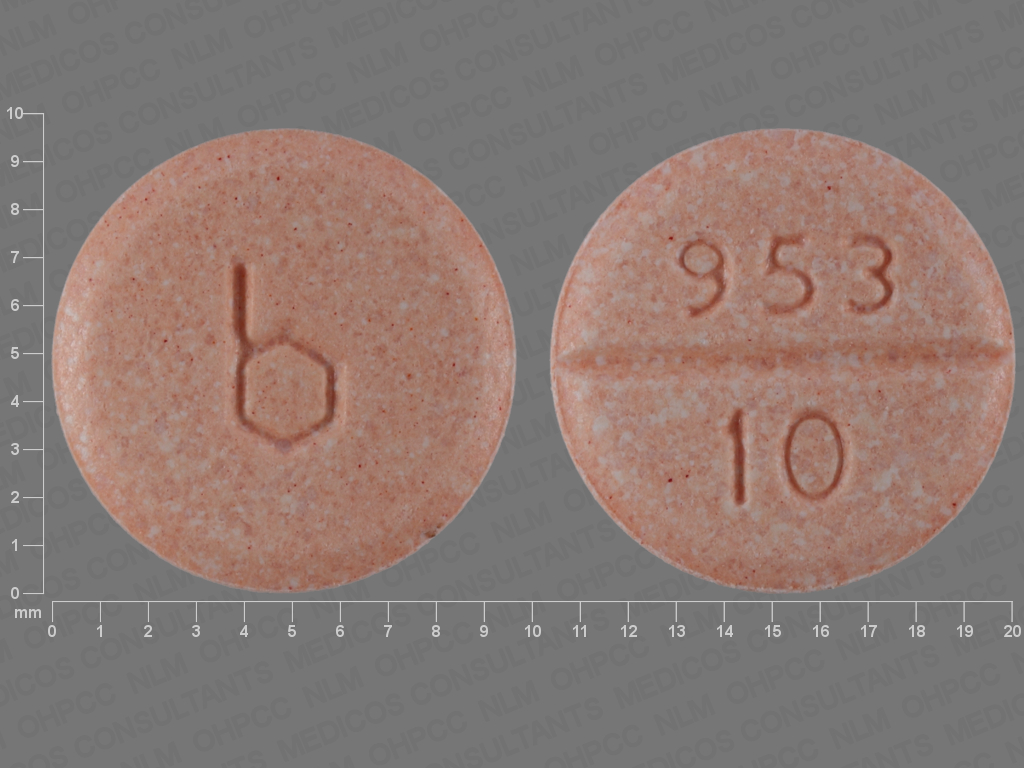
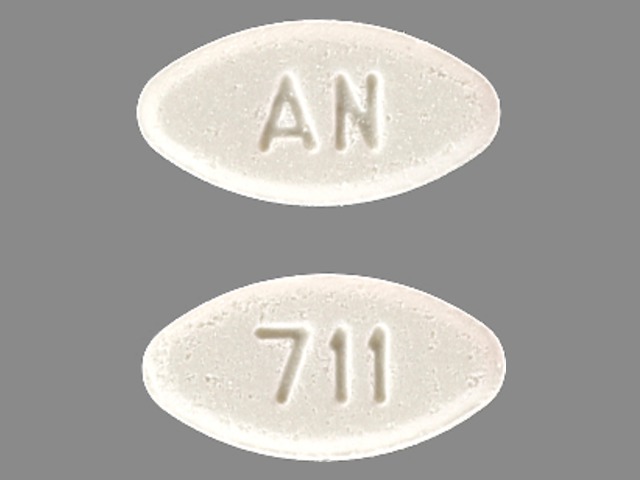
Untreated ADHD can lead to difficulties in school and work performance, relationship problems, low self-esteem, and higher rates of anxiety, depression, and substance use disorders. Treatment typically combines behavioral therapy with medication for the best outcomes, particularly in children and adults with moderate-to-severe symptoms. Stimulant medications — amphetamine-based (such as mixed amphetamine salts) and methylphenidate-based — are the most effective and widely used treatments for ADHD and work by increasing dopamine and norepinephrine activity in the brain. Non-stimulant options, including atomoxetine, guanfacine, and clonidine, are available for those who do not respond to stimulants or have certain contraindications. The medications listed below are among the most commonly prescribed for managing ADHD in children and adults.
Medications
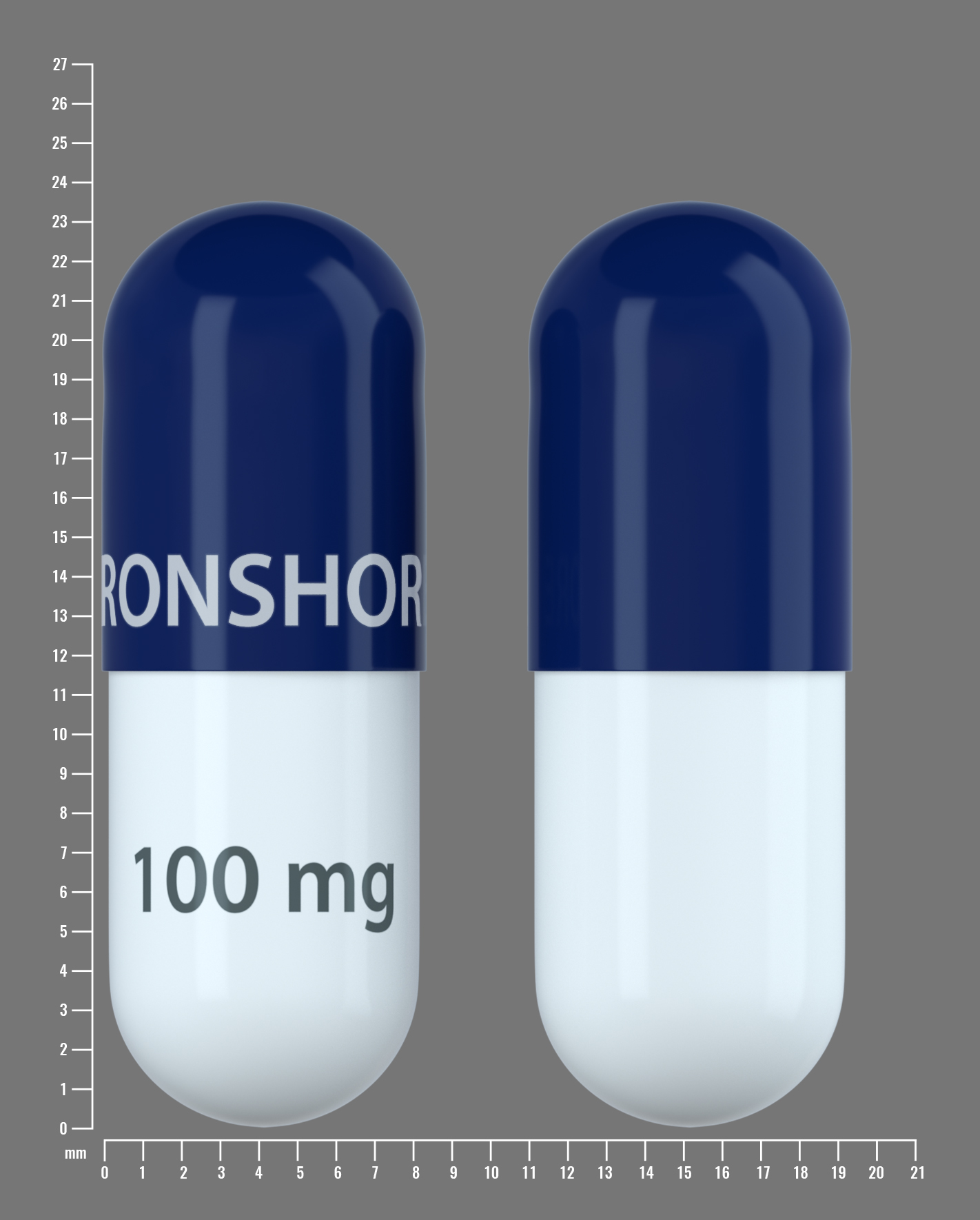
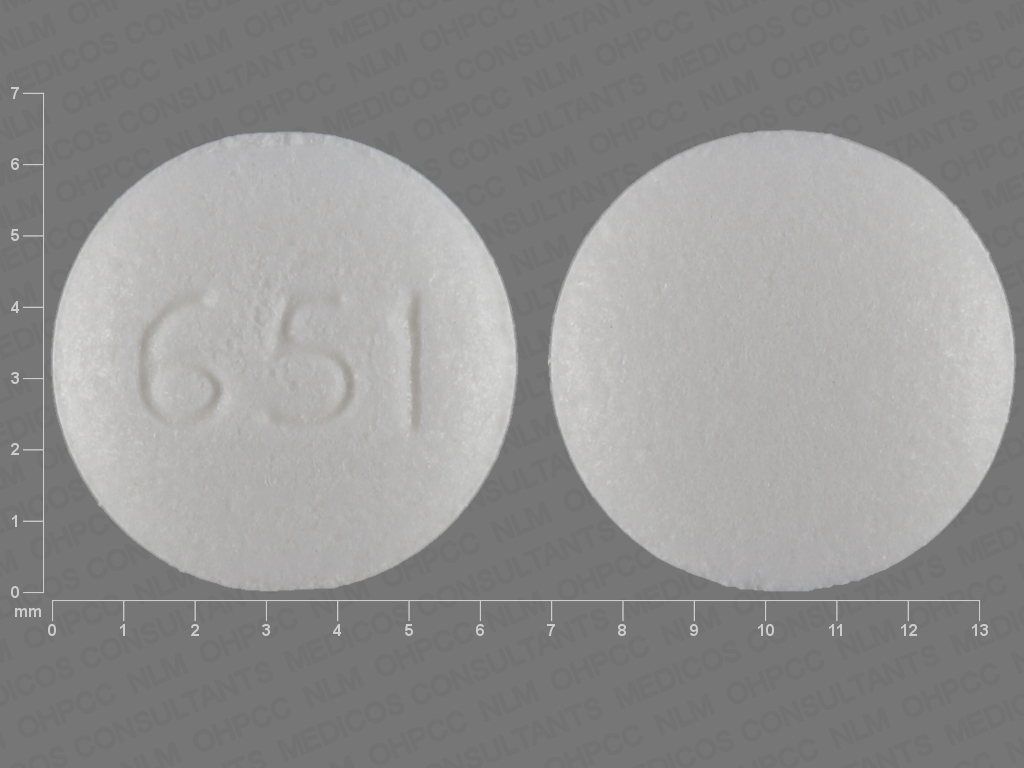
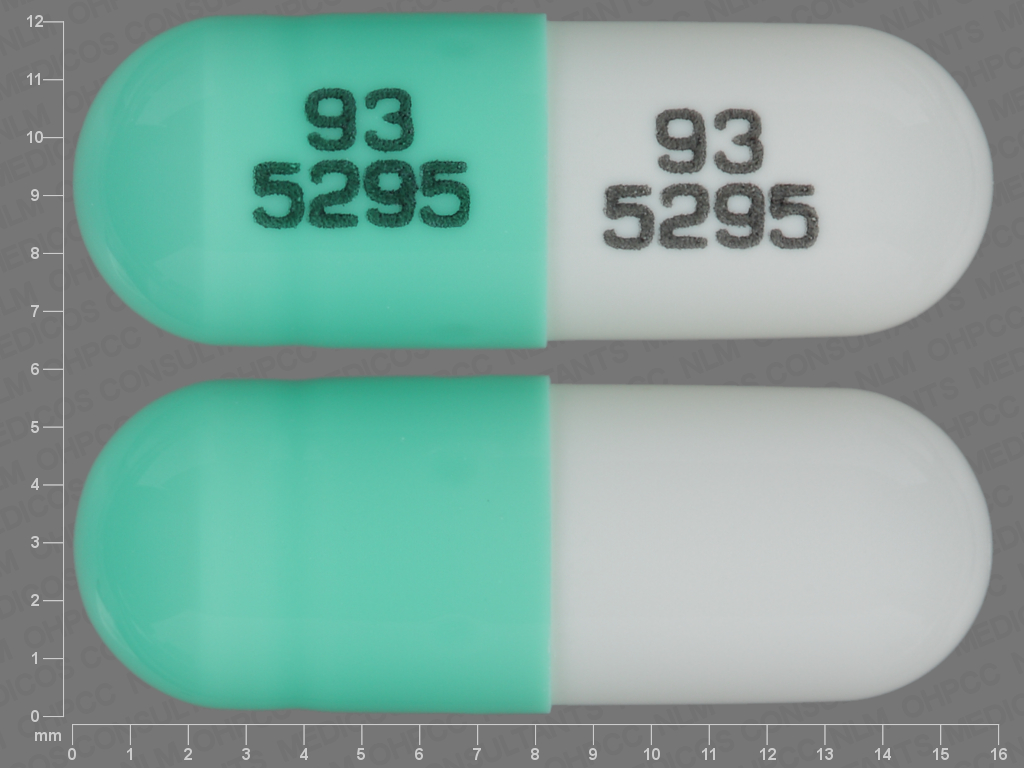
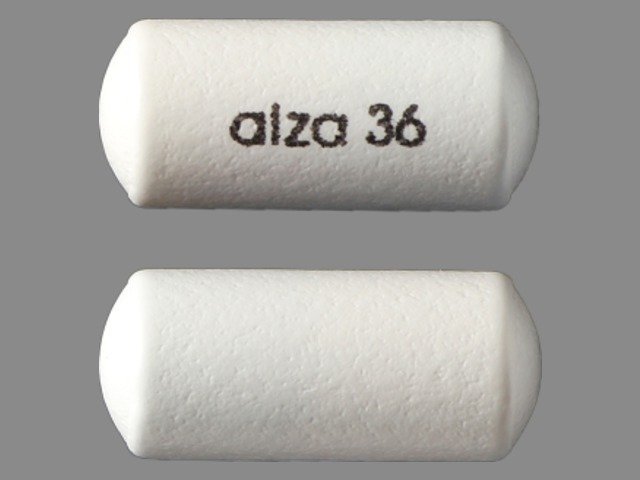
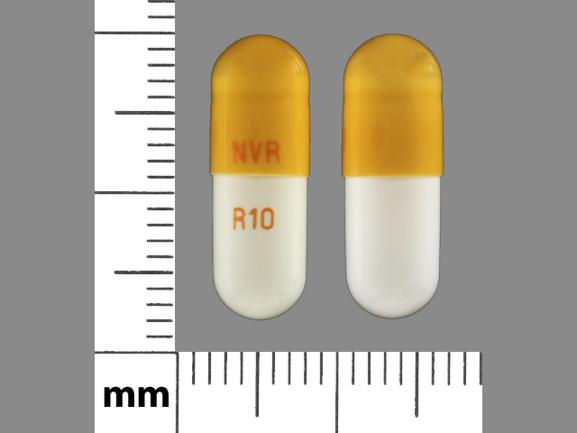
18 medications found for Medications for ADHD
Related Conditions
⚠️ Disclaimer: Information is general and not medical advice. Consult your healthcare provider before starting, changing, or stopping any medication. Read full disclaimer.
Last reviewed: 2026-05-03