
Medications for Alzheimer's Disease
Alzheimer's disease is the most common cause of dementia, accounting for 60–80% of cases, and is a progressive brain disorder that slowly destroys memory, thinking skills, and the ability to carry out simple everyday tasks. It is characterized by abnormal deposits of proteins in the brain — amyloid plaques between neurons and tau tangles within neurons — that disrupt and eventually destroy brain cells. Alzheimer's most often affects people aged 65 and older (late-onset Alzheimer's), though a rare early-onset form can affect people in their 40s and 50s. Risk factors include older age, family history, certain genetic variants (particularly the APOE ε4 allele), cardiovascular risk factors, and possibly lifestyle factors such as low physical activity and poor sleep. Early symptoms include difficulty remembering recent events, repeating questions, getting lost in familiar places, and changes in mood or personality.
As Alzheimer's progresses, individuals experience increasingly severe memory loss, disorientation, difficulty with language and reasoning, personality changes, behavioral symptoms such as agitation and wandering, and ultimately loss of ability to perform basic daily activities. Alzheimer's disease is not currently curable or reversible, but treatments aim to temporarily slow the worsening of symptoms and improve quality of life for patients and caregivers. The main approved drug classes are cholinesterase inhibitors (donepezil, rivastigmine, galantamine), which increase levels of a chemical messenger involved in memory and judgment, and memantine, which regulates glutamate activity to protect brain cells. A newer class of disease-modifying agents targeting amyloid plaques has recently received FDA approval for early-stage disease. The medications listed below are among the most commonly prescribed for managing the symptoms of Alzheimer's disease.
Medications
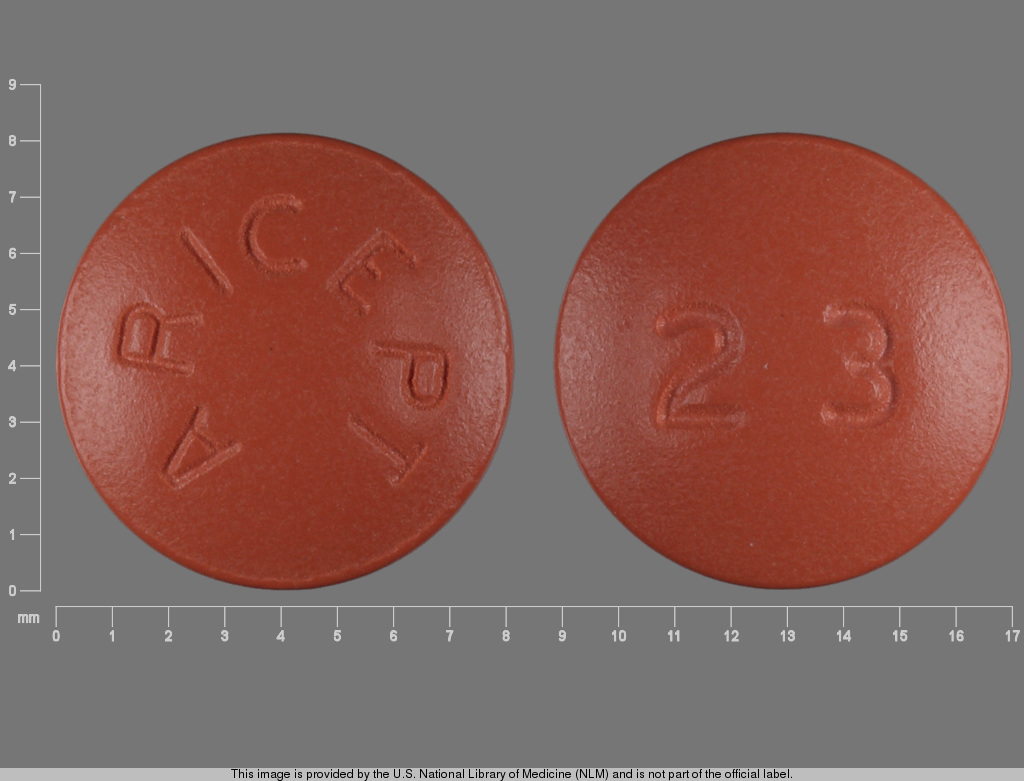
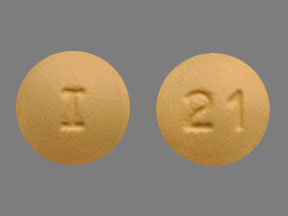
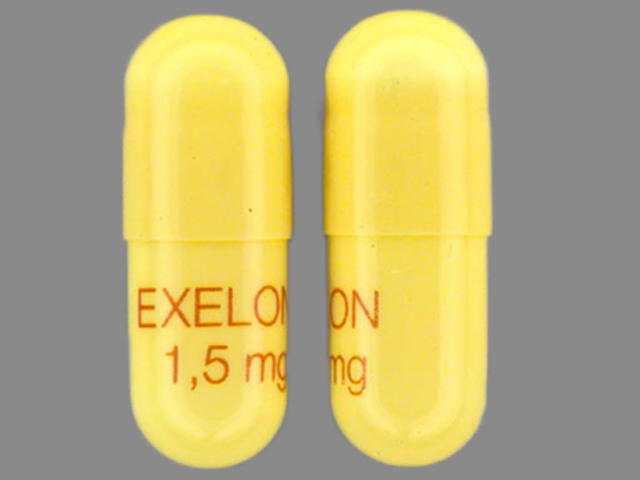
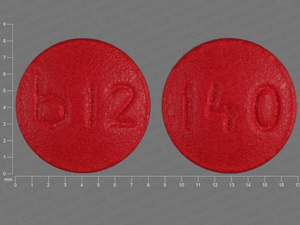
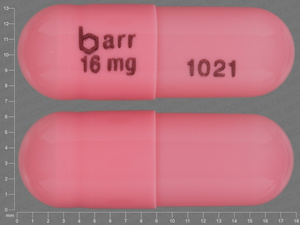
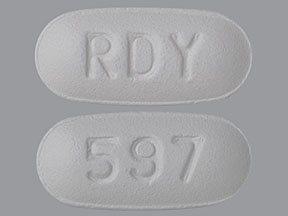
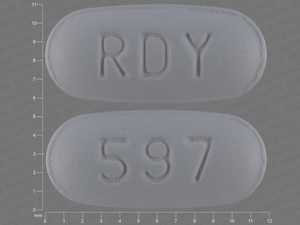
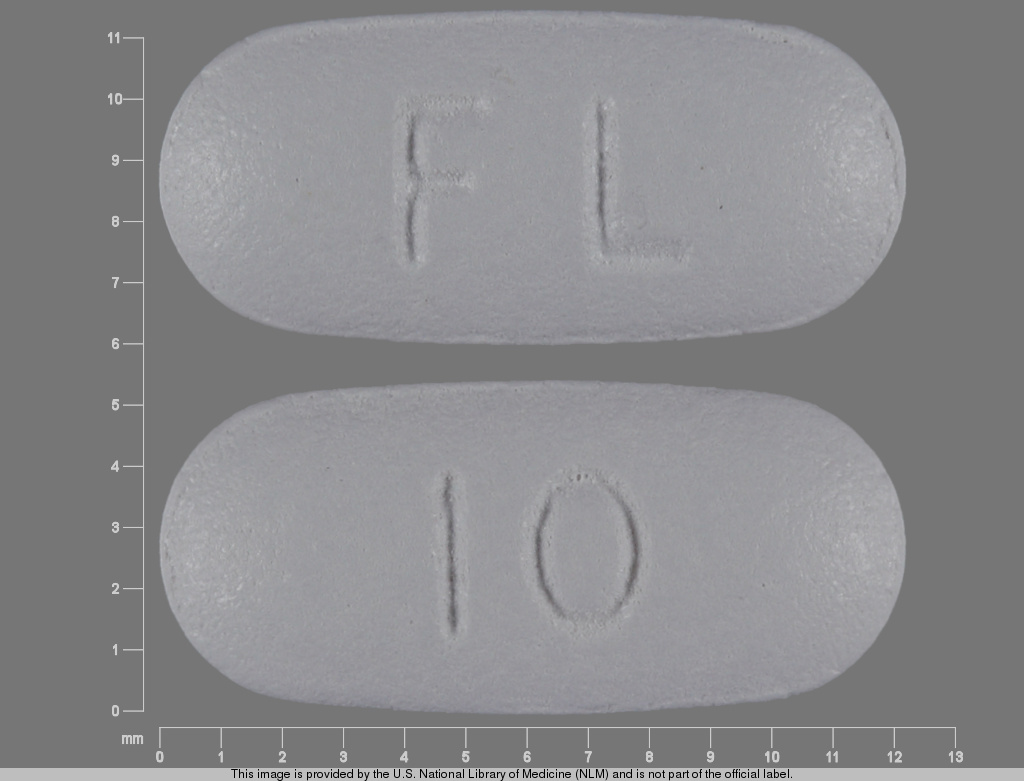
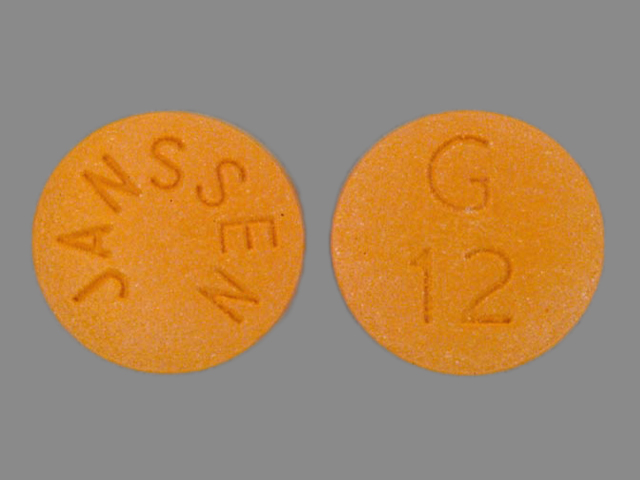
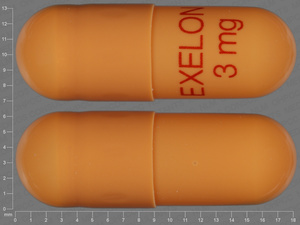
13 medications found for Medications for Alzheimer's Disease
Related Conditions
⚠️ Disclaimer: Information is general and not medical advice. Consult your healthcare provider before starting, changing, or stopping any medication. Read full disclaimer.
Last reviewed: 2026-05-03