Medications for Diabetes
Diabetes is a chronic metabolic condition in which the body cannot properly regulate blood sugar (glucose). Type 1 diabetes occurs when the immune system destroys insulin-producing cells in the pancreas, requiring lifelong insulin therapy. Type 2 diabetes — by far the most common form, accounting for over 90% of cases — develops when the body becomes resistant to insulin or stops producing enough of it, and is strongly linked to obesity, physical inactivity, and genetics. Gestational diabetes can also develop during pregnancy and raises the risk of Type 2 diabetes later in life. Common signs and symptoms include increased thirst and urination, unexplained fatigue, blurred vision, slow-healing wounds, and frequent infections.
Without adequate treatment, persistently high blood sugar damages blood vessels and nerves throughout the body, leading to serious complications including heart disease, stroke, chronic kidney disease, nerve damage (neuropathy), and vision loss or blindness (diabetic retinopathy). Treatment typically combines lifestyle changes — diet, exercise, weight loss — with medications that lower blood sugar through different mechanisms: metformin reduces glucose production in the liver, GLP-1 agonists slow digestion and stimulate insulin release, SGLT2 inhibitors help the kidneys excrete excess glucose, and insulin therapy replaces or supplements the body's own insulin. The medications listed below are among the most commonly prescribed for managing diabetes and its related risks.
Medications
35 medications found for Medications for Diabetes
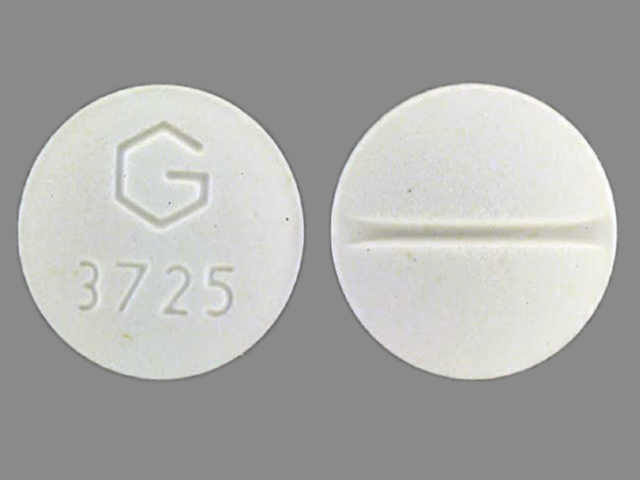
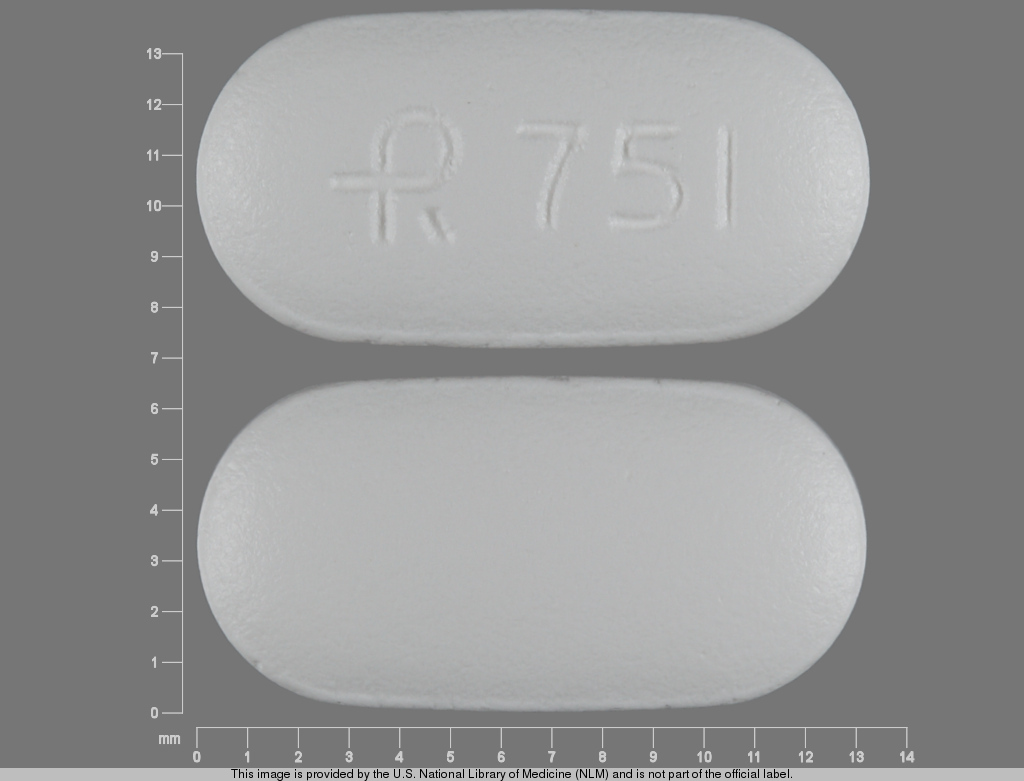
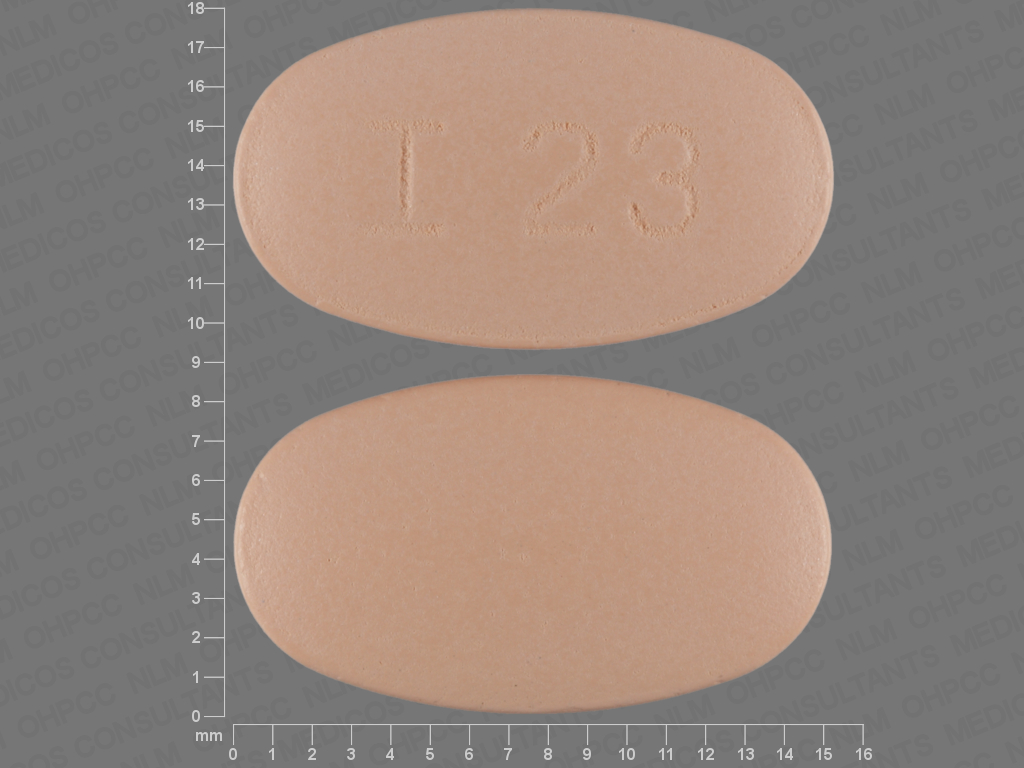
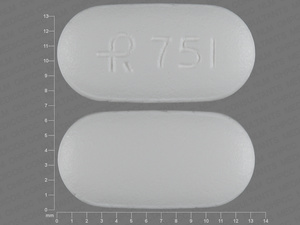
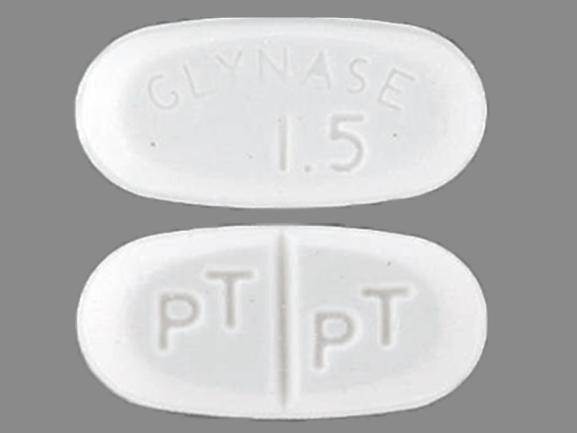
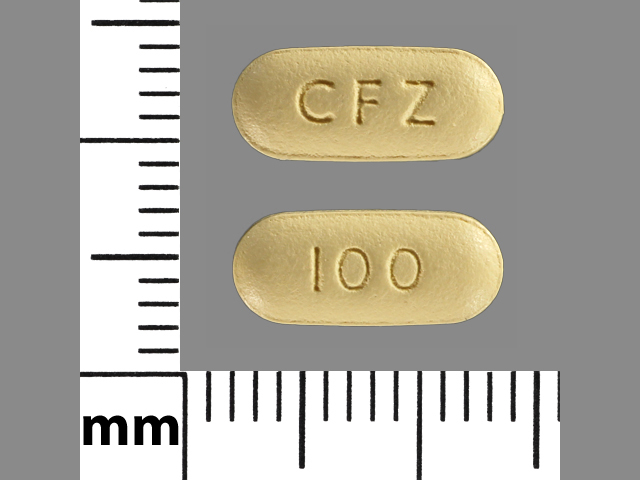
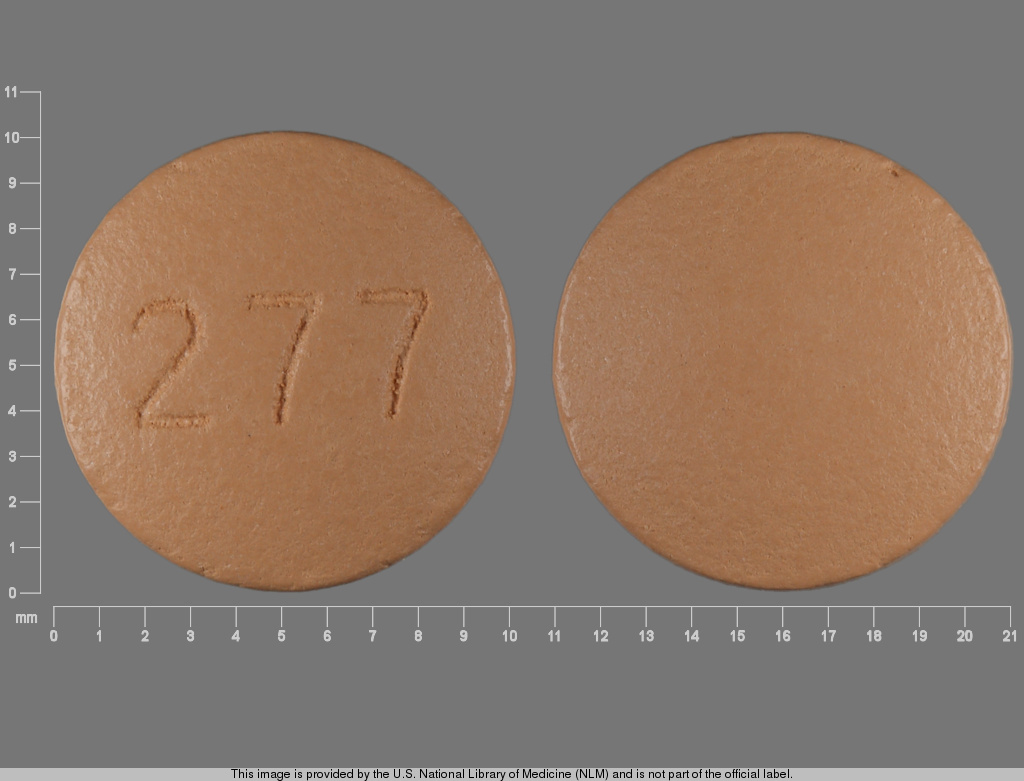
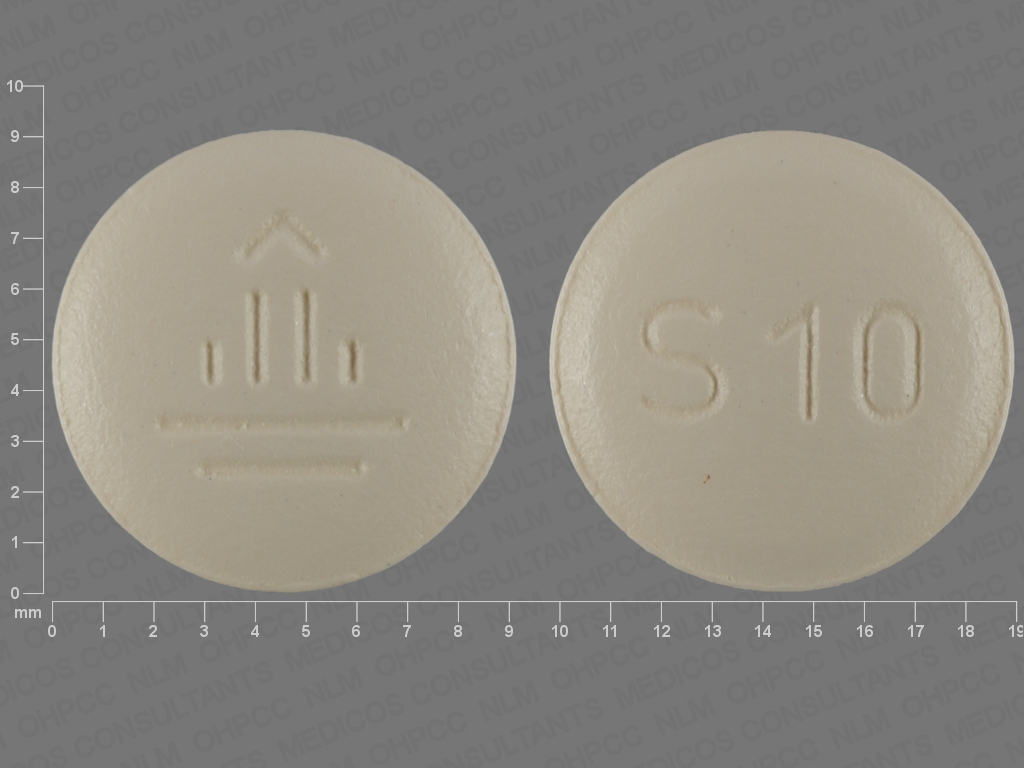
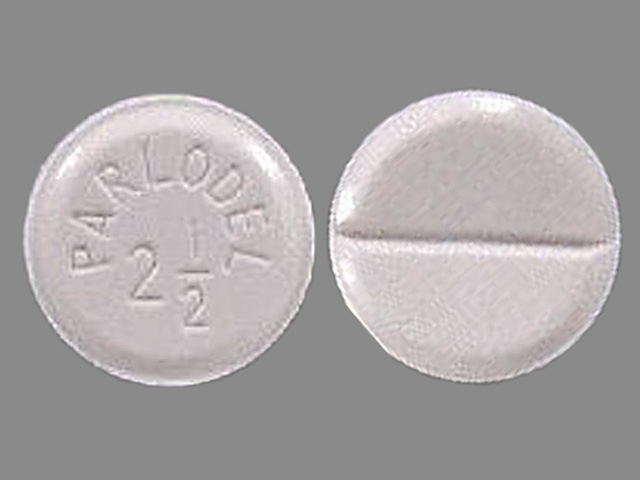
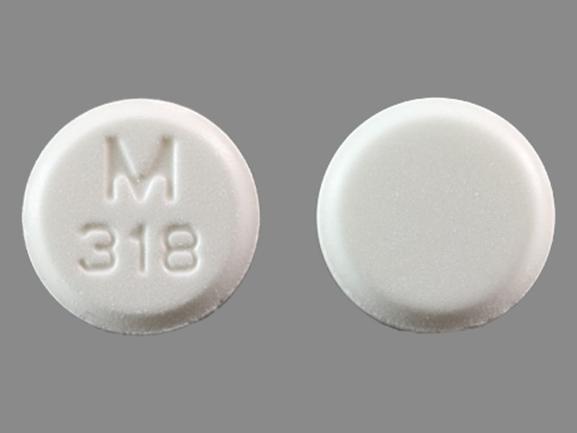
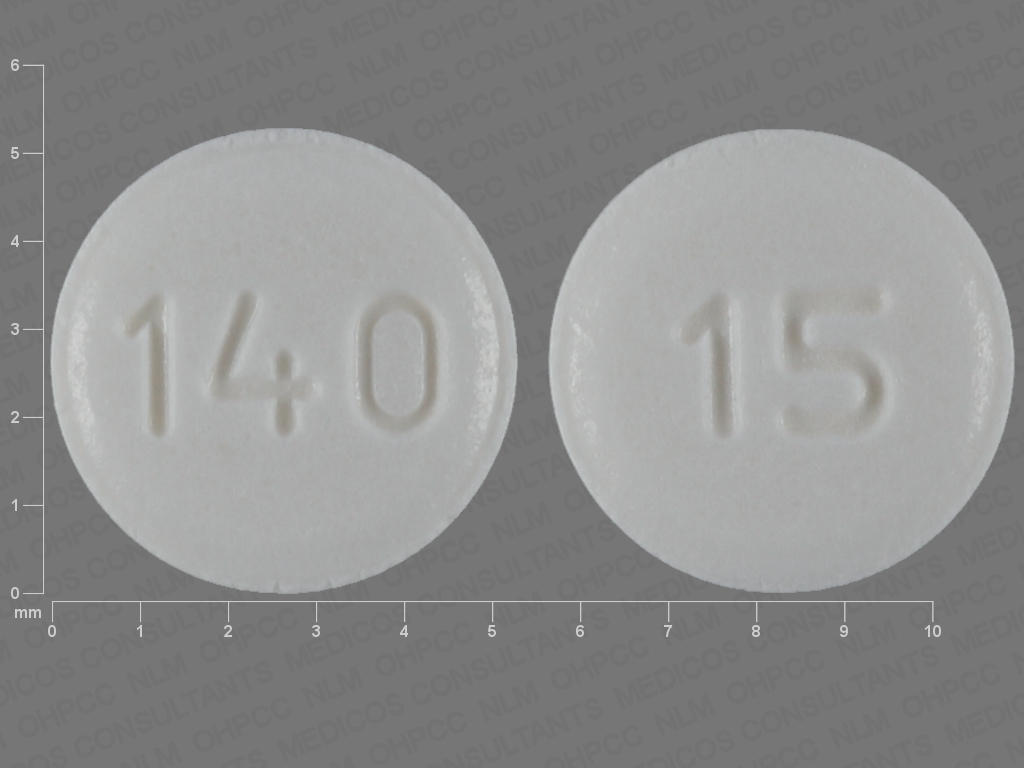
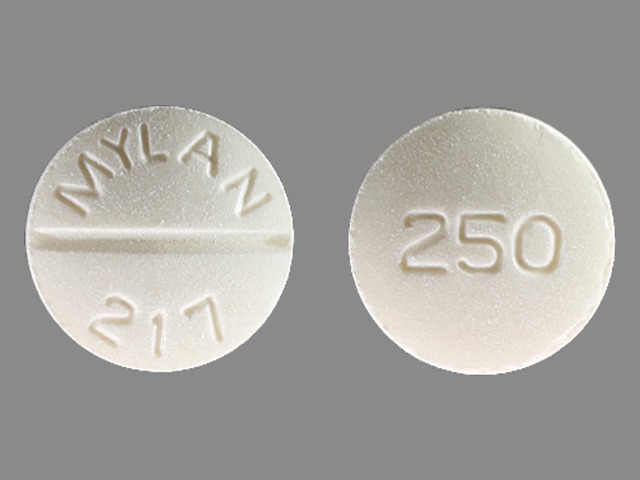
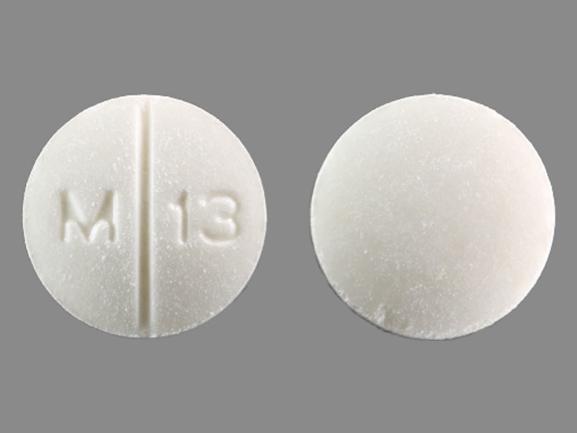
Showing 21–35 of 35
Related Conditions
⚠️ Disclaimer: Information is general and not medical advice. Consult your healthcare provider before starting, changing, or stopping any medication. Read full disclaimer.
Last reviewed: 2026-05-03