
Medications for Seizures
A seizure is a sudden, uncontrolled burst of electrical activity in the brain that can cause changes in behavior, movement, sensation, or consciousness. Seizures are a symptom rather than a disease in themselves, and can be caused by a wide range of conditions including epilepsy (the most common cause of recurrent seizures), fever (febrile seizures in children), head injuries, brain tumors, stroke, infections, and metabolic abnormalities. Epilepsy is defined as having two or more unprovoked seizures and affects approximately 3 million people in the United States. Seizures are classified by their type and the brain area involved: focal seizures begin in one area of the brain and may or may not affect consciousness, while generalized seizures involve the whole brain from the start. Symptoms vary widely, from brief staring spells or muscle twitches to full convulsions with loss of consciousness.
Uncontrolled seizures carry serious risks including injury from falls, aspiration, prolonged seizures (status epilepticus), and in rare cases, sudden unexpected death in epilepsy (SUDEP). Recurrent seizures can also affect memory, mood, and quality of life over time. The primary treatment for epilepsy is antiepileptic (anticonvulsant) medication, which works by stabilizing the brain's electrical activity. Common drug classes include sodium channel blockers (such as phenytoin, carbamazepine, and lamotrigine), GABA enhancers (such as valproate, phenobarbital, and benzodiazepines), and calcium channel modulators (such as ethosuximide for absence seizures). The medications listed below are among the most commonly prescribed for controlling seizures and managing epilepsy.
Medications
31 medications found for Medications for Seizures
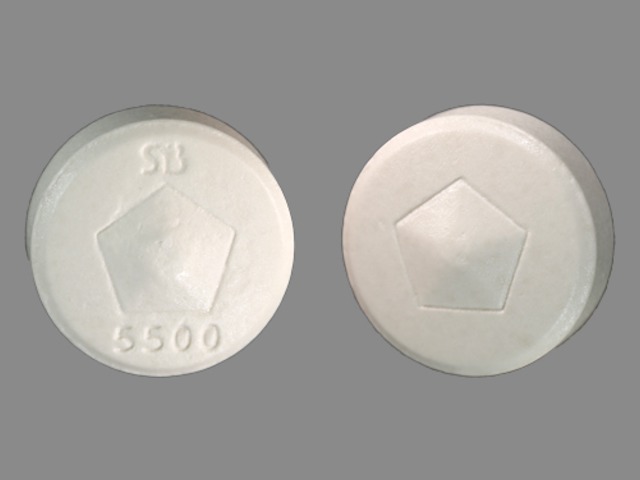





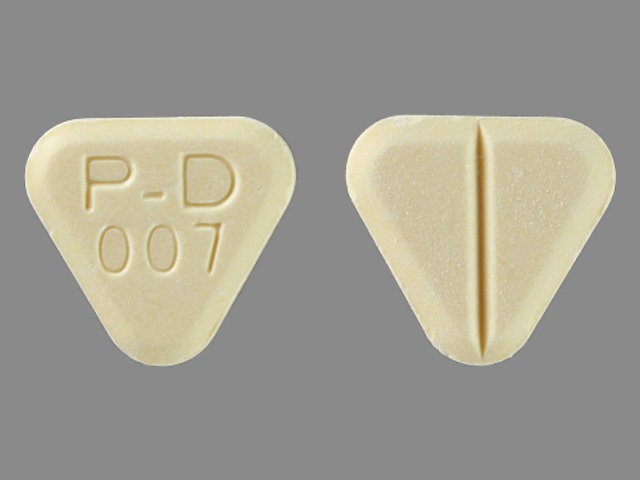
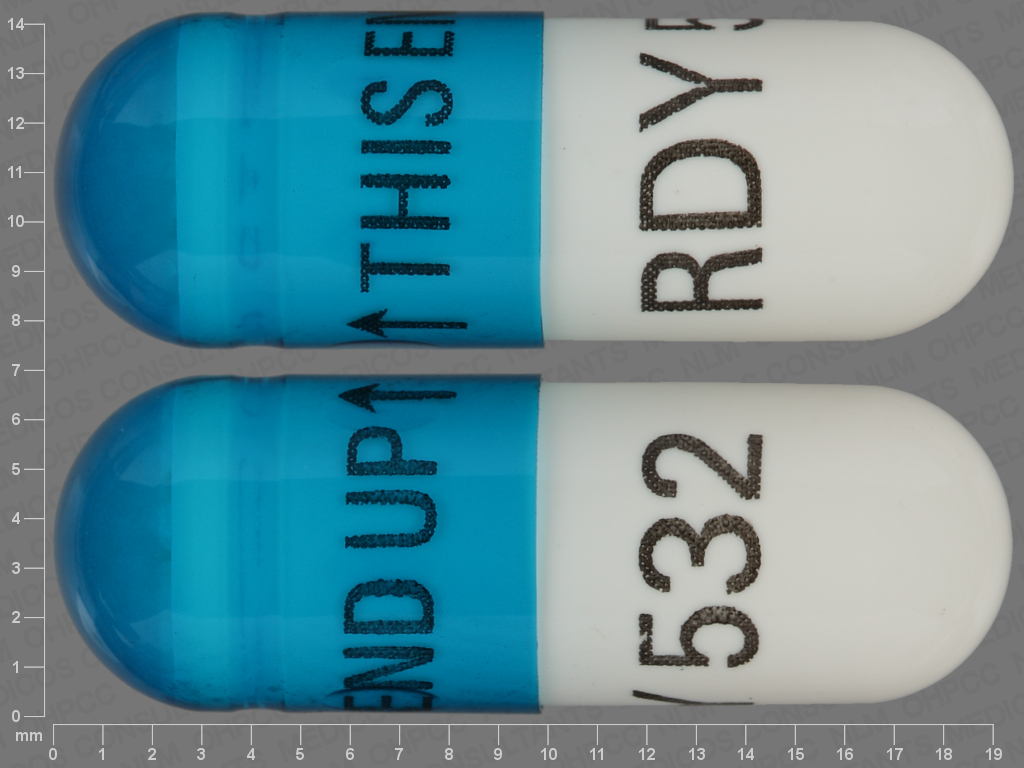

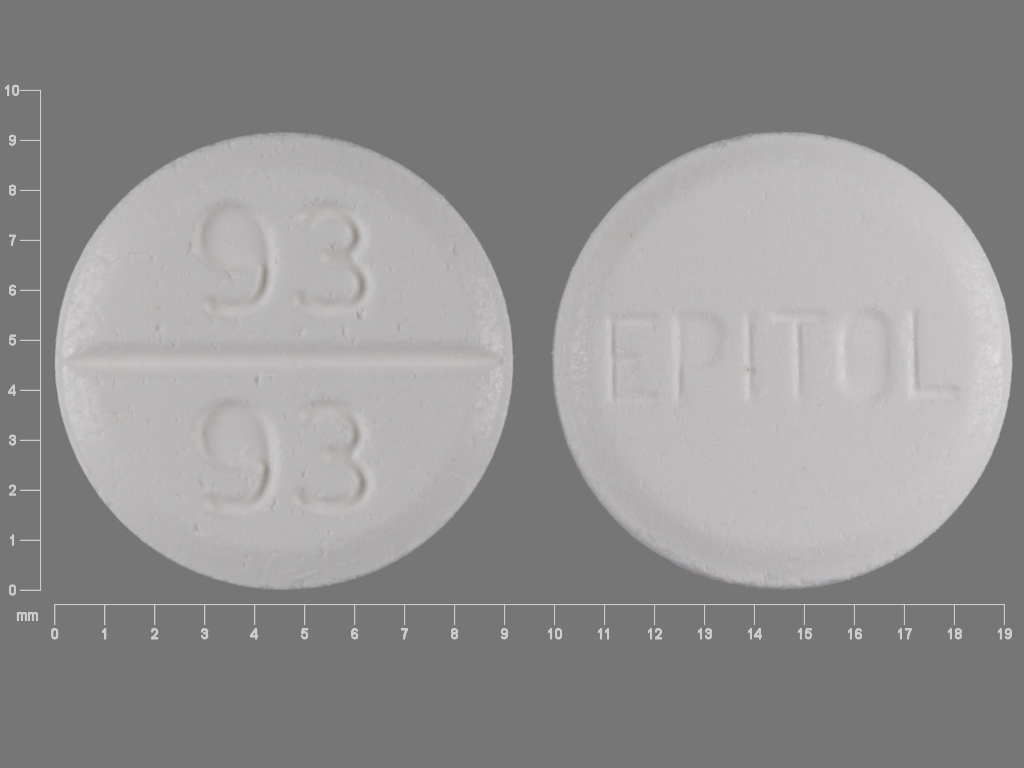


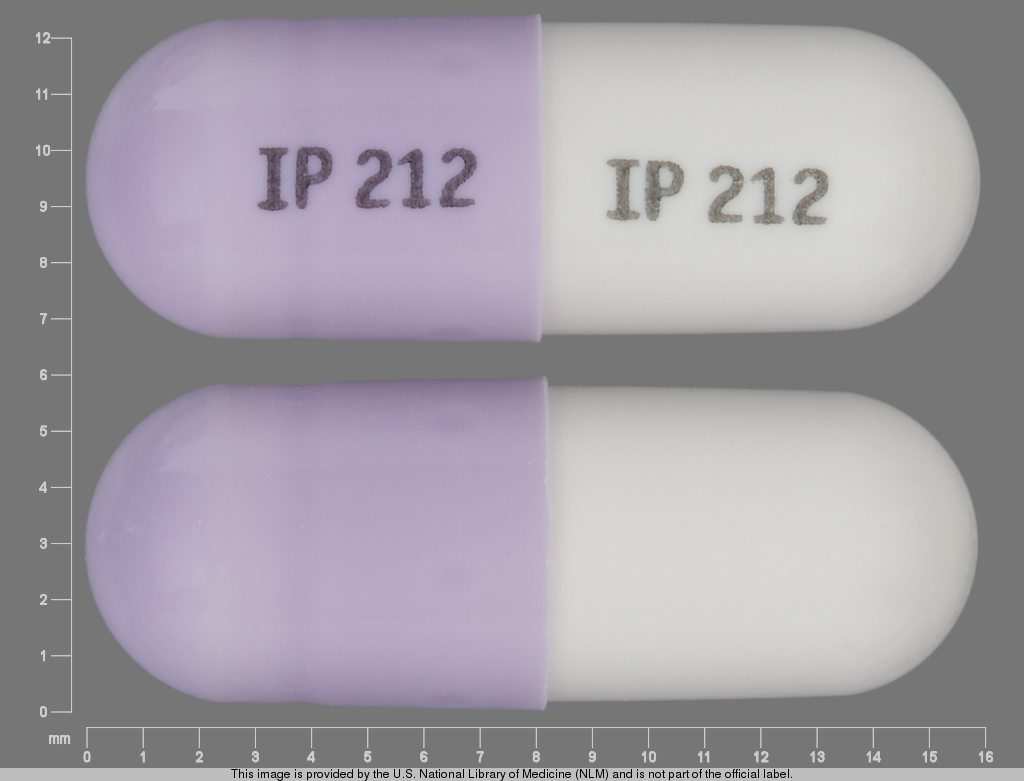





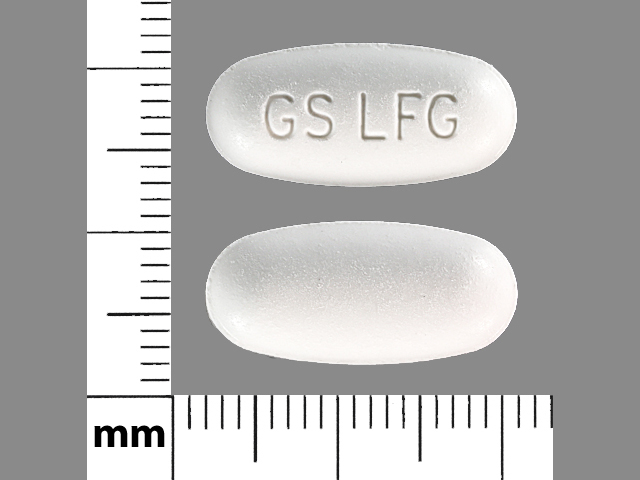

Showing 1–20 of 31
Related Conditions
⚠️ Disclaimer: Information is general and not medical advice. Consult your healthcare provider before starting, changing, or stopping any medication. Read full disclaimer.
Last reviewed: 2026-05-03