
Indications and Usage
Chlordiazepoxide and amitriptyline hydrochloride tablets are indicated for the treatment of patients with moderate to severe depression associated with moderate to severe anxiety.
The therapeutic response to chlordiazepoxide and amitriptyline hydrochloride tablets occurs earlier and with fewer treatment failures than when either amitriptyline or chlordiazepoxide is used alone.
Symptoms likely to respond in the first week of treatment include: insomnia, feelings of guilt or worthlessness, agitation, psychic and somatic anxiety, suicidal ideation and anorexia.
Dosage and Administration
Optimum dosage varies with the severity of the symptoms and the response of the individual patient. When a satisfactory response is obtained, dosage should be reduced to the smallest amount needed to maintain the remission. The larger portion of the total daily dose may be taken at bedtime. In some patients, a single dose at bedtime may be sufficient. In general, lower dosages are recommended for elderly patients.
Chlordiazepoxide and amitriptyline hydrochloride tablets 10 mg/25 mg are recommended in an initial dosage of 3 or 4 tablets daily in divided doses; this may be increased to 6 tablets daily as required. Some patients respond to smaller doses and can be maintained on 2 tablets daily.
Chlordiazepoxide and amitriptyline hydrochloride tablets 5 mg/12.5 mg in an initial dosage of 3 or 4 tablets daily in divided doses may be satisfactory in patients who do not tolerate higher doses.
Screen for Bipolar Disorder Prior to Starting Chlordiazepoxide and Amitriptyline Hydrochloride Tablets
Prior to initiating treatment with chlordiazepoxide and amitriptyline hydrochloride tablets or another antidepressant, screen patients for a personal or family history of bipolar disorder, mania, or hypomania (see WARNINGS: Activation of Mania or Hypomania).
Discontinuation or Dosage Reduction of Chlordiazepoxide and Amitriptyline Hydrochloride Tablets
To reduce the risk of withdrawal reactions, use a gradual taper to discontinue chlordiazepoxide and amitriptyline hydrochloride tablets or reduce the dosage. If a patient develops withdrawal reactions, consider pausing the taper or increasing the dosage to the previous tapered dosage level. Subsequently decrease the dosage more slowly (see WARNINGS: Dependence and Withdrawal Reactions and DRUG ABUSE AND DEPENDENCE: Dependence).
Contraindications
Chlordiazepoxide and amitriptyline hydrochloride tablets are contraindicated in patients with hypersensitivity to either benzodiazepines or tricyclic antidepressants. It should not be given concomitantly with a monoamine oxidase inhibitor. Hyperpyretic crises, severe convulsions and deaths have occurred in patients receiving a tricyclic antidepressant and a monoamine oxidase inhibitor simultaneously. When it is desired to replace a monoamine oxidase inhibitor with chlordiazepoxide and amitriptyline hydrochloride tablets, a minimum of 14 days should be allowed to elapse after the former is discontinued. Chlordiazepoxide and amitriptyline hydrochloride tablets should then be initiated cautiously with gradual increase in dosage until optimum response is achieved.
This drug is contraindicated during the acute recovery phase following myocardial infarction.
Adverse Reactions
Adverse reactions to chlordiazepoxide and amitriptyline hydrochloride are those associated with the use of either component alone. Most frequently reported were drowsiness, dry mouth, constipation, blurred vision, dizziness and bloating. Other side effects occurring less commonly included vivid dreams, impotence, tremor, confusion and nasal congestion. Many symptoms common to the depressive state, such as anorexia, fatigue, weakness, restlessness and lethargy, have been reported as side effects of treatment with both chlordiazepoxide and amitriptyline hydrochloride tablets and amitriptyline.
Granulocytopenia, jaundice and hepatic dysfunction of uncertain etiology have also been observed rarely with chlordiazepoxide and amitriptyline hydrochloride tablets. When treatment with chlordiazepoxide and amitriptyline hydrochloride tablets is prolonged, periodic blood counts and liver function tests are advisable.
Note
Included in the listing which follows are adverse reactions which have not been reported with chlordiazepoxide and amitriptyline hydrochloride. However, they are included because they have been reported during therapy with one or both of the components or closely related drugs.
Cardiovascular: Hypotension, hypertension, tachycardia, palpitations, myocardial infarction, arrhythmias, heart block, stroke.
Psychiatric: Euphoria, apprehension, poor concentration, delusions, hallucinations, hypomania and increased or decreased libido.
Neurologic: Incoordination, ataxia, numbness, tingling and paresthesias of the extremities, extrapyramidal symptoms, syncope, changes in EEG patterns.
Anticholinergic: Disturbance of accommodation, paralytic ileus, urinary retention, dilatation of urinary tract.
Allergic: Skin rash, urticaria, photosensitization, edema of face and tongue, pruritus, drug reaction with eosinophilia and systemic symptoms (DRESS).
Hematologic: Bone marrow depression including agranulocytosis, eosinophilia, purpura, thrombocytopenia.
Gastrointestinal: Nausea, epigastric distress, vomiting, anorexia, stomatitis, peculiar taste, diarrhea, black tongue.
Endocrine: Testicular swelling and gynecomastia in the male, breast enlargement, galactorrhea and minor menstrual irregularities in the female, elevation and lowering of blood sugar levels, and syndrome of inappropriate ADH (antidiuretic hormone) secretion.
Other: Headache, weight gain or loss, increased perspiration, urinary frequency, mydriasis, jaundice, alopecia, parotid swelling, hyponatremia.
Drug Abuse and Dependence
Controlled Substance
Chlordiazepoxide and amitriptyline hydrochloride tablets contain chlordiazepoxide, a Schedule IV controlled substance.
Abuse
Chlordiazepoxide and amitriptyline hydrochloride tablets are a benzodiazepine and a CNS depressant with a potential for abuse and addiction. Abuse is the intentional, non-therapeutic use of a drug, even once, for its desirable psychological or physiological effects. Misuse is the intentional use, for therapeutic purposes, of a drug by an individual in a way other than prescribed by a health care provider or for whom it was not prescribed. Drug addiction is a cluster of behavioral, cognitive, and physiological phenomena that may include a strong desire to take the drug, difficulties in controlling drug use (e.g., continuing drug use despite harmful consequences, giving a higher priority to drug use than other activities and obligations), and possible tolerance or physical dependence. Even taking benzodiazepines as prescribed may put patients at risk for abuse and misuse of their medication. Abuse and misuse of benzodiazepines may lead to addiction.
Abuse and misuse of benzodiazepines often (but not always) involve the use of doses greater than the maximum recommended dosage and commonly involve concomitant use of other medications, alcohol, and/or illicit substances, which is associated with an increased frequency of serious adverse outcomes, including respiratory depression, overdose, or death. Benzodiazepines are often sought by individuals who abuse drugs and other substances, and by individuals with addictive disorders (see WARNINGS: Abuse, Misuse, and Addiction).
The following adverse reactions have occurred with benzodiazepine abuse and/or misuse: abdominal pain, amnesia, anorexia, anxiety, aggression, ataxia, blurred vision, confusion, depression, disinhibition, disorientation, dizziness, euphoria, impaired concentration and memory, indigestion, irritability, muscle pain, slurred speech, tremors, and vertigo.
The following severe adverse reactions have occurred with benzodiazepine abuse and/or misuse: delirium, paranoia, suicidal ideation and behavior, seizures, coma, breathing difficulty, and death. Death is more often associated with polysubstance use (especially benzodiazepines with other CNS depressants such as opioids and alcohol).
Dependence
Physical Dependence
Chlordiazepoxide and amitriptyline hydrochloride tablets may produce physical dependence from continued therapy. Physical dependence is a state that develops as a result of physiological adaptation in response to repeated drug use, manifested by withdrawal signs and symptoms after abrupt discontinuation or a significant dose reduction of a drug. Abrupt discontinuation or rapid dosage reduction of benzodiazepines or administration of flumazenil, a benzodiazepine antagonist, may precipitate acute withdrawal reactions, including seizures, which can be life-threatening. Patients at an increased risk of withdrawal adverse reactions after benzodiazepine discontinuation or rapid dosage reduction include those who take higher dosages (i.e., higher and/or more frequent doses) and those who have had longer durations of use (see WARNINGS: Dependence and Withdrawal Reactions).
To reduce the risk of withdrawal reactions, use a gradual taper to discontinue chlordiazepoxide and amitriptyline hydrochloride tablets or reduce the dosage (see DOSAGE AND ADMINISTRATION: Discontinuation or Dosage Reduction of Chlordiazepoxide and Amitriptyline Hydrochloride Tablets and WARNINGS: Dependence and Withdrawal Reactions).
Acute Withdrawal Signs and Symptoms
Acute withdrawal signs and symptoms associated with benzodiazepines have included abnormal involuntary movements, anxiety, blurred vision, depersonalization, depression, derealization, dizziness, fatigue, gastrointestinal adverse reactions (e.g., nausea, vomiting, diarrhea, weight loss, decreased appetite), headache, hyperacusis, hypertension, irritability, insomnia, memory impairment, muscle pain and stiffness, panic attacks, photophobia, restlessness, tachycardia, and tremor. More severe acute withdrawal signs and symptoms, including life-threatening reactions, have included catatonia, convulsions, delirium tremens, depression, hallucinations, mania, psychosis, seizures, and suicidality.
Protracted Withdrawal Syndrome
Protracted withdrawal syndrome associated with benzodiazepines is characterized by anxiety, cognitive impairment, depression, insomnia, formication, motor symptoms (e.g., weakness, tremor, muscle twitches), paresthesia, and tinnitus that persists beyond 4 to 6 weeks after initial benzodiazepine withdrawal. Protracted withdrawal symptoms may last weeks to more than 12 months. As a result, there may be difficulty in differentiating withdrawal symptoms from potential re-emergence or continuation of symptoms for which the benzodiazepine was being used.
Tolerance
Tolerance to chlordiazepoxide and amitriptyline hydrochloride tablets may develop from continued therapy. Tolerance is a physiological state characterized by a reduced response to a drug after repeated administration (i.e., a higher dose of a drug is required to produce the same effect that was once obtained at a lower dose). Tolerance to the therapeutic effect of chlordiazepoxide and amitriptyline hydrochloride tablets may develop; however, little tolerance develops to the amnestic reactions and other cognitive impairments caused by benzodiazepines.
Overdosage
Overdosage of chlordiazepoxide and amitriptyline hydrochloride tablets, which contain a benzodiazepine (chlordiazepoxide) and a tricyclic antidepressant (amitriptyline hydrochloride), may manifest signs and symptoms related to either of its components. Deaths may occur from overdosage with this class of drugs. Multiple drug ingestion (including alcohol) is common in deliberate tricyclic antidepressant overdose. Signs and symptoms of toxicity develop rapidly after tricyclic antidepressant overdose.
Critical manifestations of tricyclic antidepressant overdosage include cardiac dysrhythmias, severe hypotension, convulsions and CNS depression, including coma. Changes in the electrocardiogram, particularly in QRS axis or width, are clinically significant indicators of tricyclic antidepressant toxicity. Obtain an ECG and immediately initiate cardiac monitoring; hospital monitoring is required as soon as possible.
Other signs of overdosage may include confusion, disturbed concentration, transient visual hallucinations, dilated pupils, agitation, hyperactive reflexes, stupor, drowsiness, muscle rigidity, vomiting, hypothermia, hyperpyrexia or any of the symptoms listed under ADVERSE REACTIONS.
Overdosage of benzodiazepines is characterized by central nervous system depression ranging from drowsiness to coma. In mild to moderate cases, symptoms can include drowsiness, confusion, dysarthria, lethargy, hypnotic state, diminished reflexes, ataxia, and hypotonia. Rarely, paradoxical or disinhibitory reactions (including agitation, irritability, impulsivity, violent behavior, confusion, restlessness, excitement, and talkativeness) may occur. In severe overdosage cases, patients may develop respiratory depression and coma. Overdosage of benzodiazepines in combination with other CNS depressants (including alcohol and opioids) may be fatal (see WARNINGS: Abuse, Misuse, and Addiction). Markedly abnormal (lowered or elevated) blood pressure, heart rate, or respiratory rate raise the concern that additional drugs and/or alcohol are involved in the overdosage.
In managing benzodiazepine overdosage, employ general supportive measures, including intravenous fluids and airway management. Flumazenil, a specific benzodiazepine receptor antagonist indicated for the complete or partial reversal of the sedative effects of benzodiazepines in the management of benzodiazepine overdosage, can lead to withdrawal and adverse reactions, including seizures with chlordiazepoxide and amitriptyline hydrochloride tablets because overdosage with amitriptyline and other tricyclic and tetracyclic antidepressants increases the risk of seizures. Seizure risk is also increased in patients with long-term benzodiazepine use and physical dependency. The risk of withdrawal seizures with flumazenil use also may be increased in patients with epilepsy. Flumazenil is contraindicated in patients who have received a benzodiazepine for control of a potentially life-threatening condition (e.g., status epilepticus).
Contact the Poison Help line (1-800-222-1222) or medical toxicologist for additional overdosage management recommendations.
Description
Chlordiazepoxide and amitriptyline hydrochloride tablets, USP combine for oral administration, chlordiazepoxide, an agent for the relief of anxiety and tension, and amitriptyline, an antidepressant.
Chlordiazepoxide, USP is a benzodiazepine with the formula 7-chloro-2-(methylamino)-5-phenyl-3H-1,4-benzodiazepine-4-oxide. It is a yellow crystalline powder and is insoluble in water. The chemical structure is:

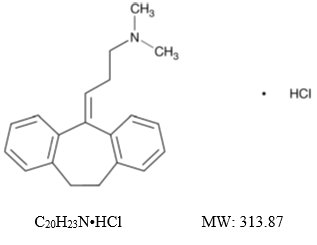
Amitriptyline hydrochloride, USP is a dibenzocycloheptadiene derivative. The formula is 10,11-dihydro-N,N-dimethyl-5H-dibenzo[a,d]cycloheptene-Δ5,γ-propylamine hydrochloride. It is a white or practically white crystalline powder that is freely soluble in water. The chemical structure is:
Each film-coated tablet for oral administration contains 5 mg of chlordiazepoxide and 14 mg of amitriptyline hydrochloride equivalent to 12.5 mg of amitriptyline or 10 mg of chlordiazepoxide and 27.98 mg of amitriptyline hydrochloride equivalent to 25 mg of amitriptyline. Each tablet contains the following inactive ingredients: colloidal silicon dioxide, croscarmellose sodium, hydroxypropyl cellulose, hypromellose, magnesium stearate, microcrystalline cellulose, polyethylene glycol, pregelatinized starch (corn), sodium lauryl sulfate and titanium dioxide. In addition, the 5 mg/12.5 mg tablets also contain D&C Yellow No. 10 Aluminum Lake, FD&C Blue No. 1 Aluminum Lake and FD&C Yellow No. 6 Aluminum Lake and the 10 mg/25 mg tablets also contain polydextrose and triacetin.
Chlordiazepoxide Structural Formula Amitriptyline Hydrochloride Structural FormulaClinical Pharmacology
Both components of chlordiazepoxide and amitriptyline hydrochloride tablets exert their action in the central nervous system. Extensive studies with chlordiazepoxide in many animal species suggest action in the limbic system. Recent evidence indicates that the limbic system is involved in emotional response. Taming action was observed in some species. The mechanism of action of amitriptyline in man is not known, but the drug appears to interfere with the reuptake of norepinephrine into adrenergic nerve endings. This action may prolong the sympathetic activity of biogenic amines.
How Supplied / Storage and Handling
Chlordiazepoxide and Amitriptyline Hydrochloride Tablets, USP are available containing 5 mg of chlordiazepoxide, USP and 14 mg of amitriptyline hydrochloride, USP equivalent to 12.5 mg of amitriptyline or 10 mg of chlordiazepoxide, USP and 27.98 mg of amitriptyline hydrochloride, USP equivalent to 25 mg of amitriptyline.
The 5 mg/12.5 mg tablets are green, film-coated, round, unscored tablets debossed with MYLAN on one side of the tablet and 211 on the other side. They are available as follows:
NDC 0378-0211-01
bottles of 100 tablets
NDC 0378-0211-05
bottles of 500 tablets
The 10 mg/25 mg tablets are white, film-coated, round, unscored tablets debossed with MYLAN on one side of the tablet and 277 on the other side. They are available as follows:
NDC 0378-0277-01
bottles of 100 tablets
NDC 0378-0277-05
bottles of 500 tablets
Store at 20° to 25°C (68° to 77°F). [See USP Controlled Room Temperature.]
Store in a dry place.
Dispense in a tight, light-resistant container as defined in the USP using a child-resistant closure.
PHARMACIST: Dispense a Medication Guide with each prescription.
Patient Counseling Information
Advise the patient to read the FDA-approved patient labeling (Medication Guide).