
Medications for Acid Reflux
Acid reflux — also called gastroesophageal reflux disease (GERD) when it occurs regularly — happens when stomach acid flows back up into the esophagus (the tube connecting the throat to the stomach). This backflow occurs when the lower esophageal sphincter, a ring of muscle that acts as a valve, weakens or relaxes at the wrong time. Risk factors include obesity, eating large meals, lying down after eating, smoking, pregnancy, hiatal hernia, and consuming triggers such as caffeine, alcohol, spicy foods, and fatty foods. The hallmark symptom is heartburn — a burning sensation in the chest — but acid reflux can also cause regurgitation of a sour or bitter-tasting fluid, difficulty swallowing, a chronic cough, hoarseness, and a feeling of a lump in the throat. Symptoms often worsen after meals or when lying flat.
Chronic, untreated acid reflux can damage the lining of the esophagus, leading to esophagitis, narrowing of the esophagus (stricture), Barrett's esophagus (a precancerous change), and in rare cases, esophageal cancer. Treatment typically starts with lifestyle changes: eating smaller meals, avoiding trigger foods, not lying down for 2–3 hours after eating, elevating the head of the bed, and losing weight if needed. Medications are commonly added to reduce acid production or neutralize it: antacids provide quick, short-term relief; H2 blockers reduce acid production for several hours; and proton pump inhibitors (PPIs) are the most potent option, blocking the stomach's main acid-producing pump and used for more persistent or severe GERD. The medications listed below are among the most commonly prescribed for managing acid reflux and GERD.
Medications
36 medications found for Medications for Acid Reflux
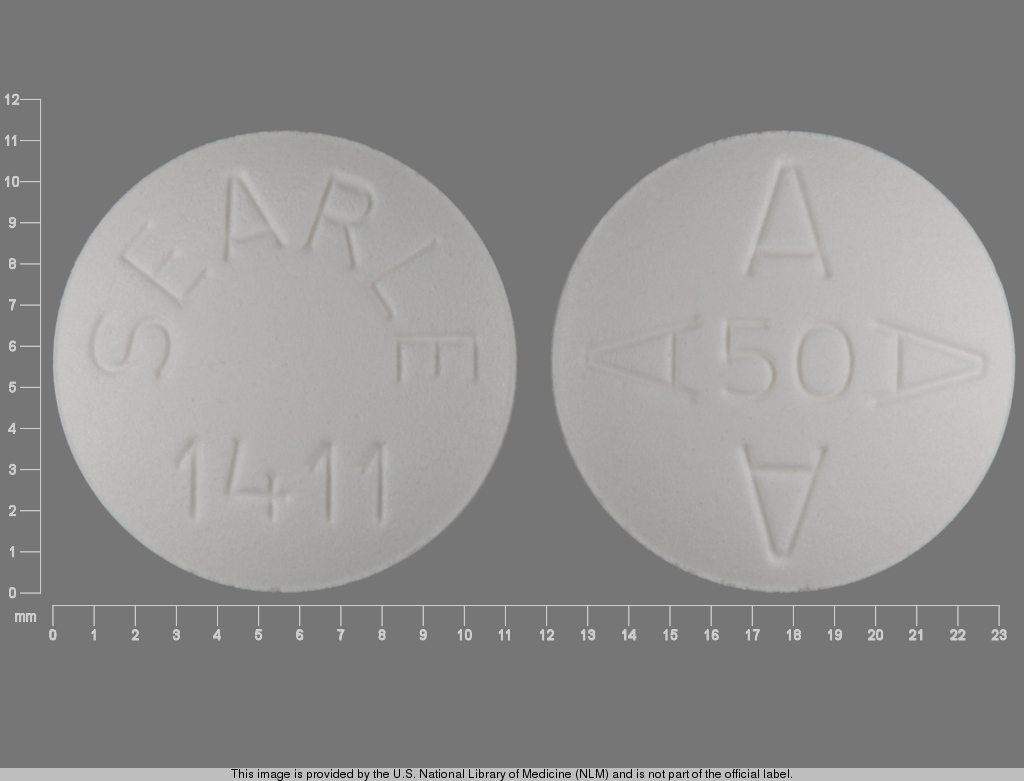
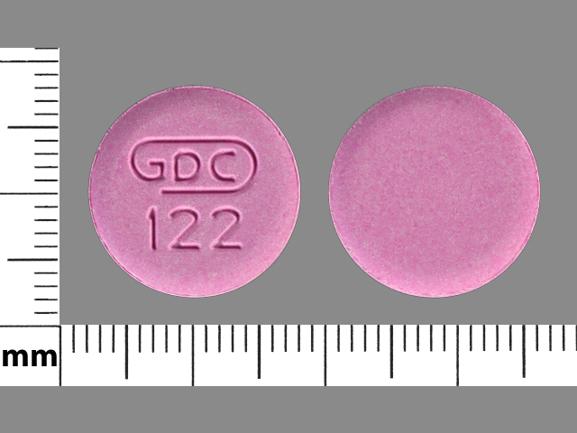
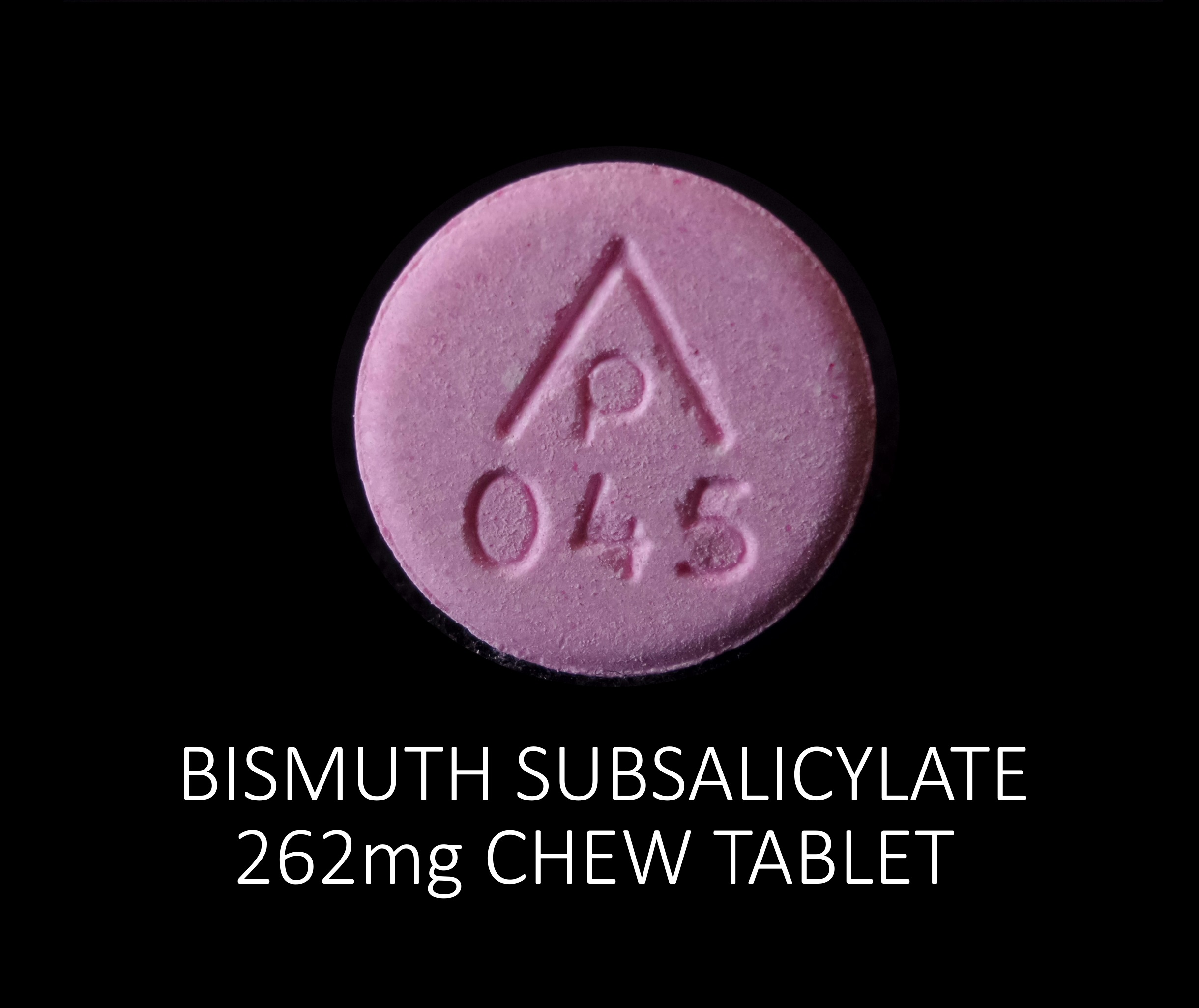
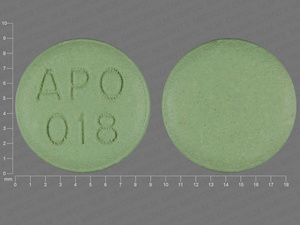
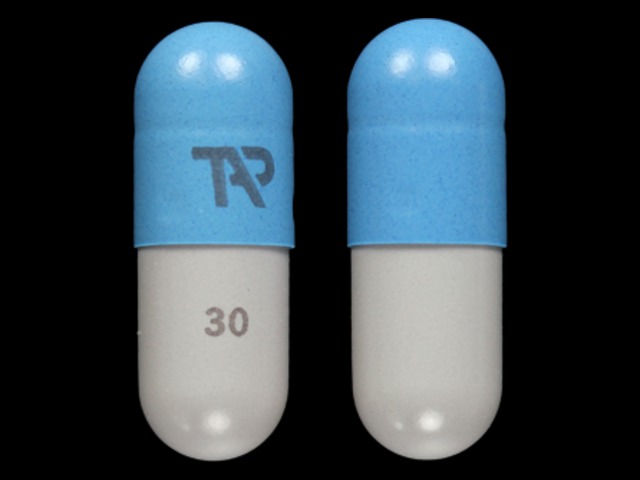
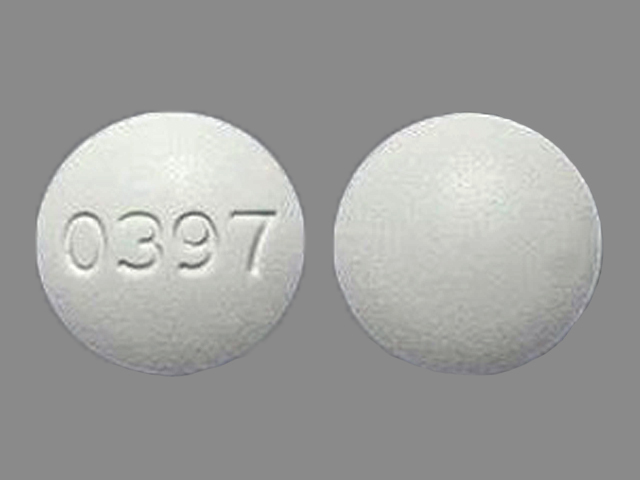
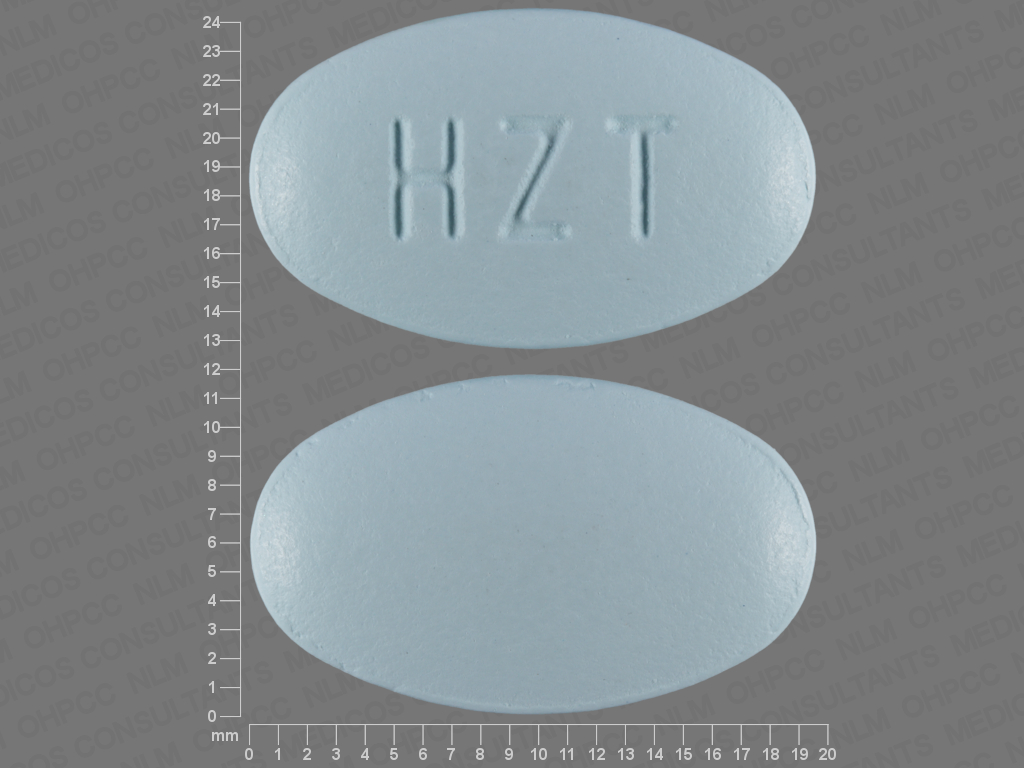
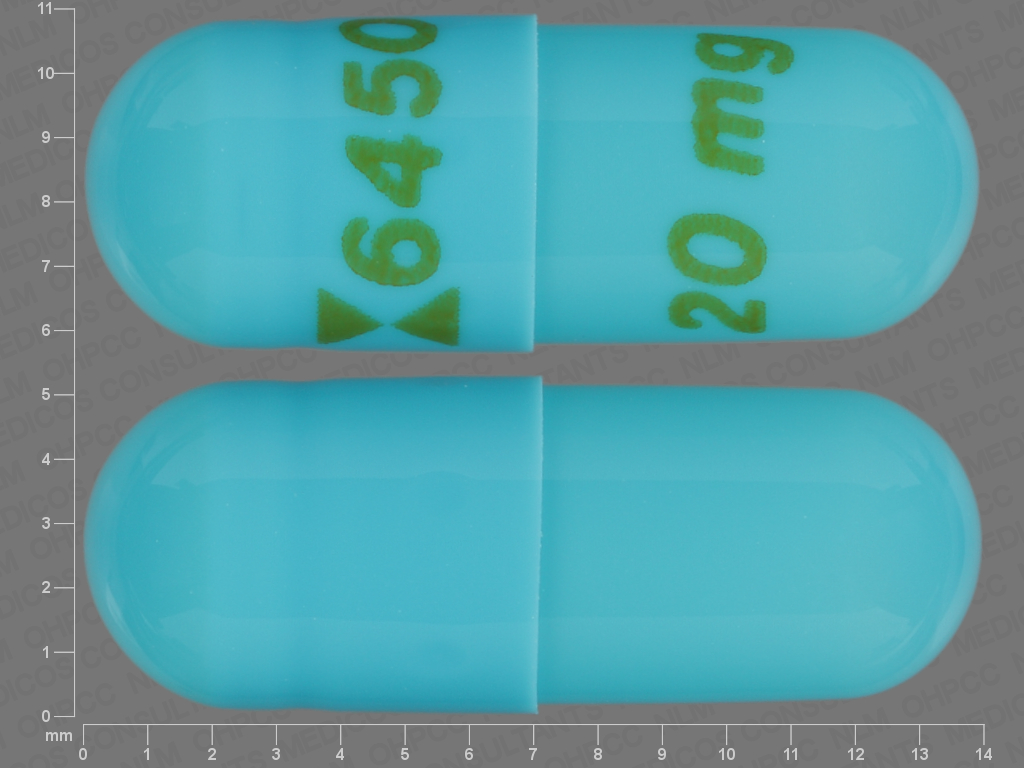
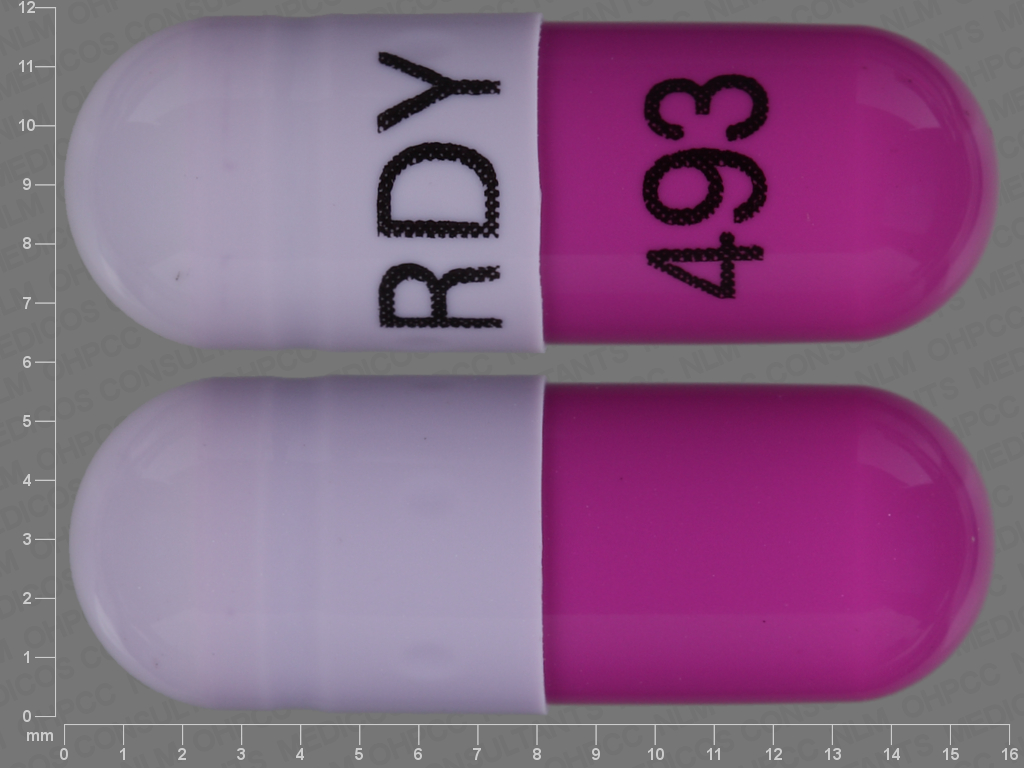
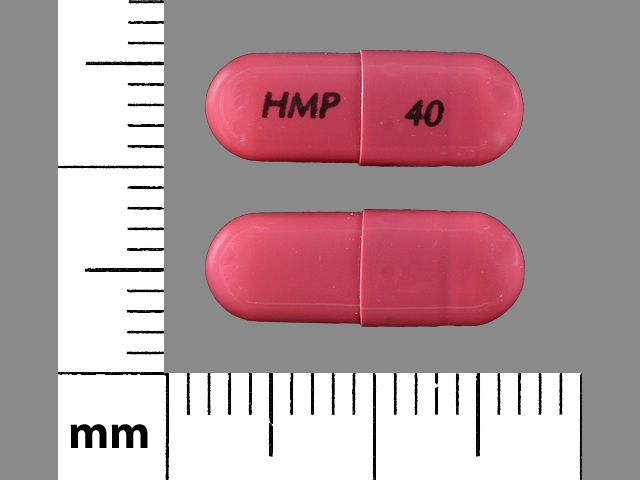
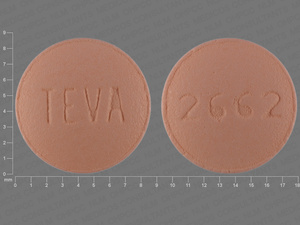
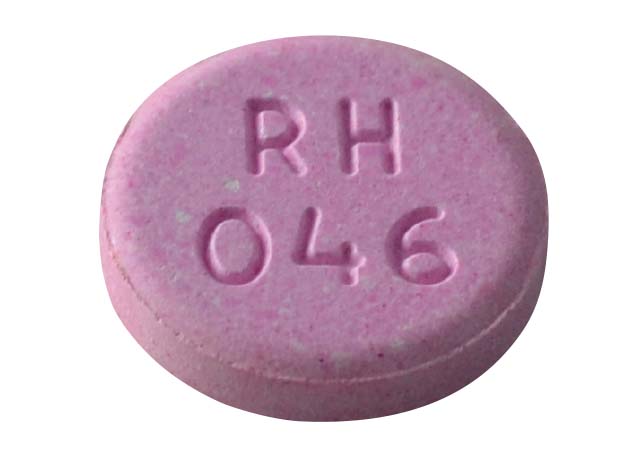
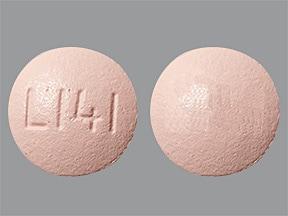
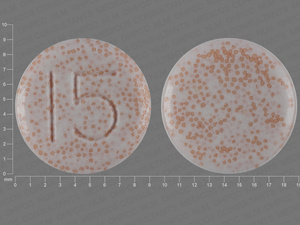
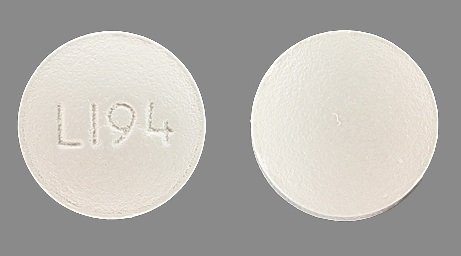
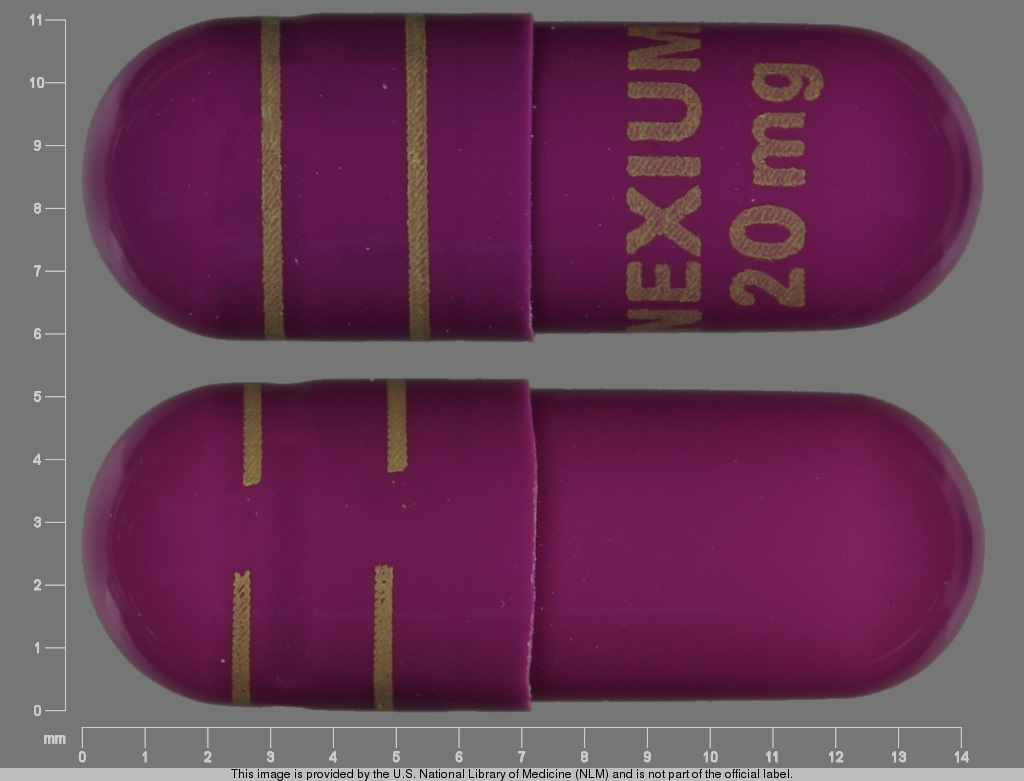
Showing 1–20 of 36
Related Conditions
⚠️ Disclaimer: Information is general and not medical advice. Consult your healthcare provider before starting, changing, or stopping any medication. Read full disclaimer.
Last reviewed: 2026-05-03