
Medications for Asthma
Asthma is a chronic lung disease characterized by persistent airway inflammation and narrowing that makes it difficult to breathe. In people with asthma, the airways are hypersensitive and can be triggered by allergens (pollen, dust mites, pet dander), respiratory infections, cold air, exercise, or air pollutants, causing episodes of wheezing, coughing, chest tightness, and shortness of breath. Asthma affects more than 25 million people in the United States and is one of the most common chronic conditions in children, though it can develop at any age. During an asthma attack, the muscles surrounding the airways tighten, the lining swells, and excess mucus is produced, further narrowing the airways. Between attacks, many people with well-controlled asthma have few or no symptoms, but the underlying airway inflammation persists.
Poorly controlled asthma can severely limit physical activity, disturb sleep, cause school or work absences, and lead to hospitalization during severe attacks. In rare cases, a very severe asthma attack that does not respond to treatment (status asthmaticus) can be life-threatening. Asthma management relies on two main types of medication: quick-relief (rescue) medications — such as short-acting beta-agonists (SABAs) like albuterol — open the airways rapidly during an attack; and long-term control (controller) medications — including inhaled corticosteroids (ICS), long-acting beta-agonists (LABAs), and leukotriene modifiers — reduce inflammation and prevent attacks over time. An asthma action plan helps patients know when to use each type of medication. The medications listed below are among the most commonly prescribed for preventing and treating asthma.
Medications
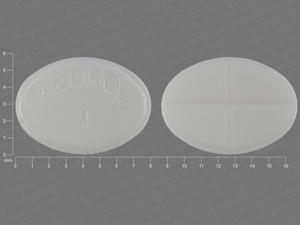
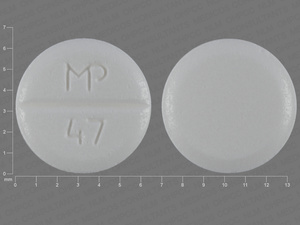
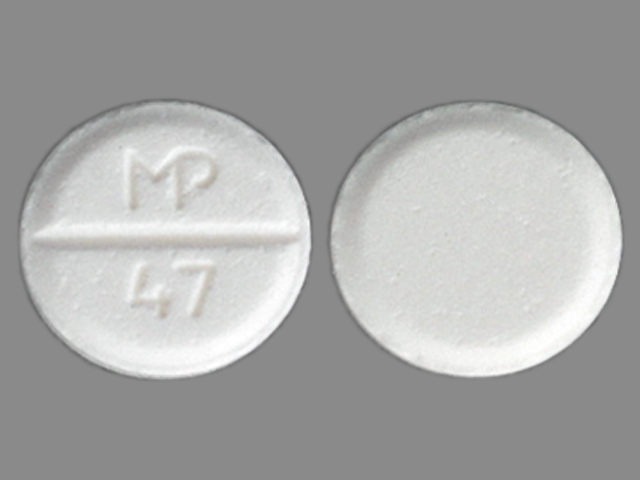
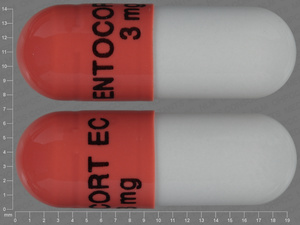
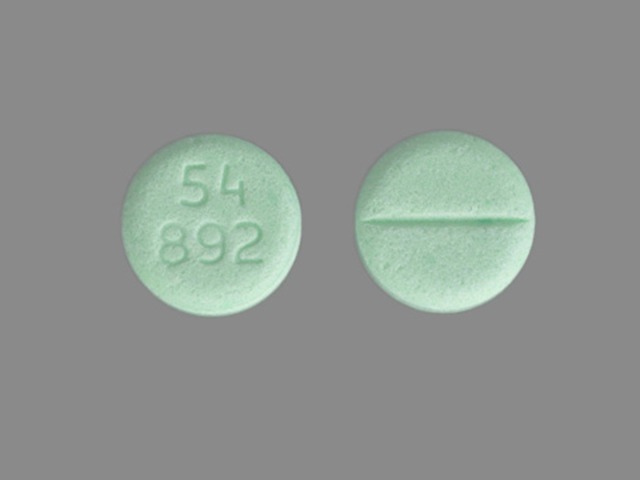
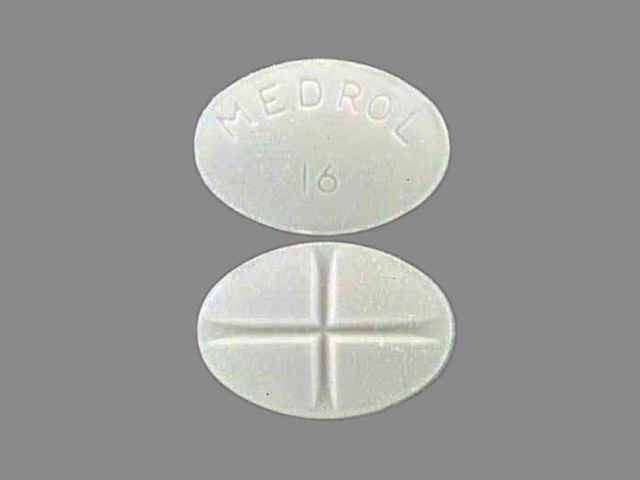
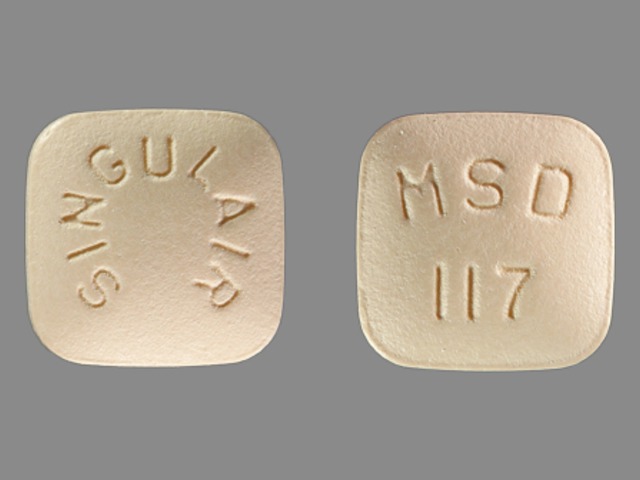
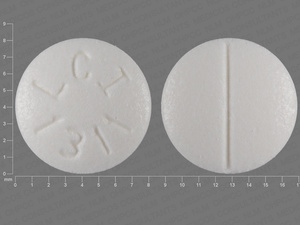
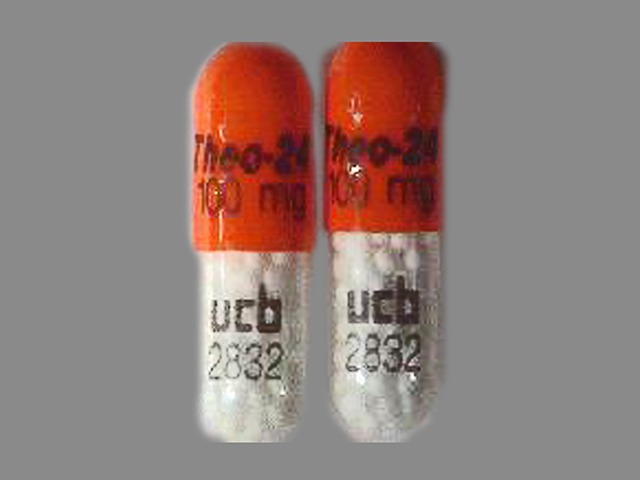
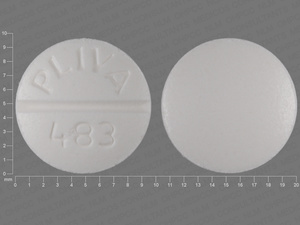
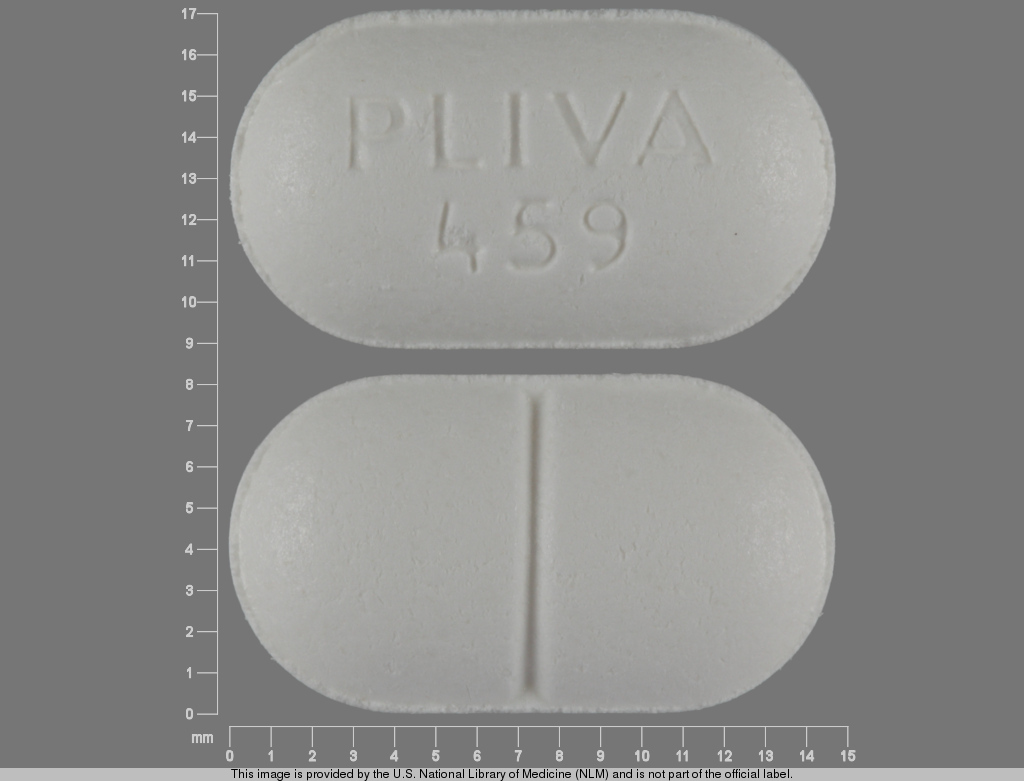
15 medications found for Medications for Asthma


Related Conditions
⚠️ Disclaimer: Information is general and not medical advice. Consult your healthcare provider before starting, changing, or stopping any medication. Read full disclaimer.
Last reviewed: 2026-05-03