
Medications for Bacterial Infection
Bacterial infections occur when harmful bacteria invade the body, multiply, and disrupt normal tissue or organ function. Bacteria are single-celled microorganisms found everywhere in the environment; while many are harmless or even beneficial (like gut flora), certain strains cause illnesses ranging from mild to life-threatening. Common bacterial infections include urinary tract infections (UTIs), pneumonia, strep throat, skin infections (such as cellulitis), ear infections, and foodborne illness. Symptoms vary by the site of infection but often include fever, redness, swelling, pain, and an elevated white blood cell count as the immune system responds. Some infections remain localized, while others can spread through the bloodstream (bacteremia or sepsis), becoming a medical emergency.
If left untreated, bacterial infections can spread, damage organs, or trigger a life-threatening inflammatory response called sepsis. Antibiotic resistance is a growing concern — when bacteria develop the ability to survive antibiotic treatment, infections become much harder to manage. The primary treatment for bacterial infections is antibiotic therapy, with the specific antibiotic chosen based on the type of bacteria, the site of infection, and local resistance patterns. Major antibiotic classes include penicillins, cephalosporins, fluoroquinolones, macrolides, and tetracyclines, each targeting different bacterial types and mechanisms. The medications listed below are among the most commonly prescribed antibiotics for treating bacterial infections.
Medications
22 medications found for Medications for Bacterial Infection

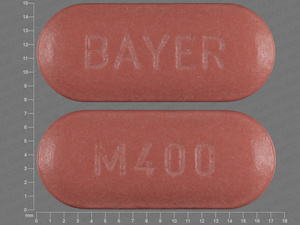

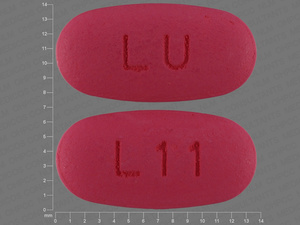
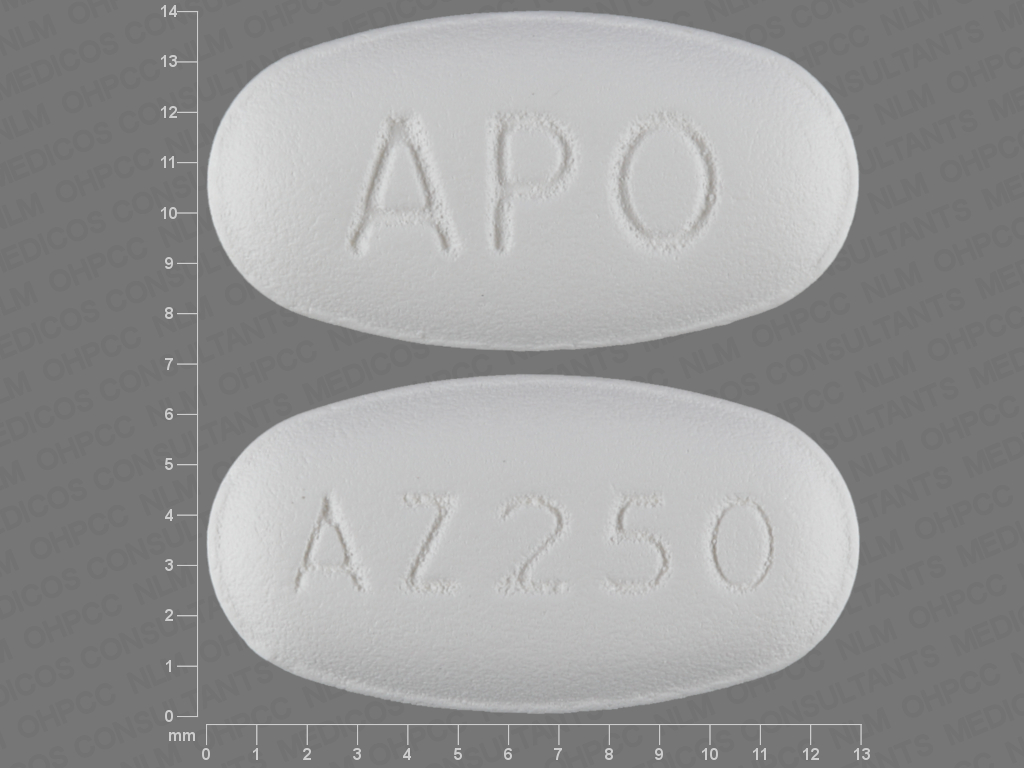
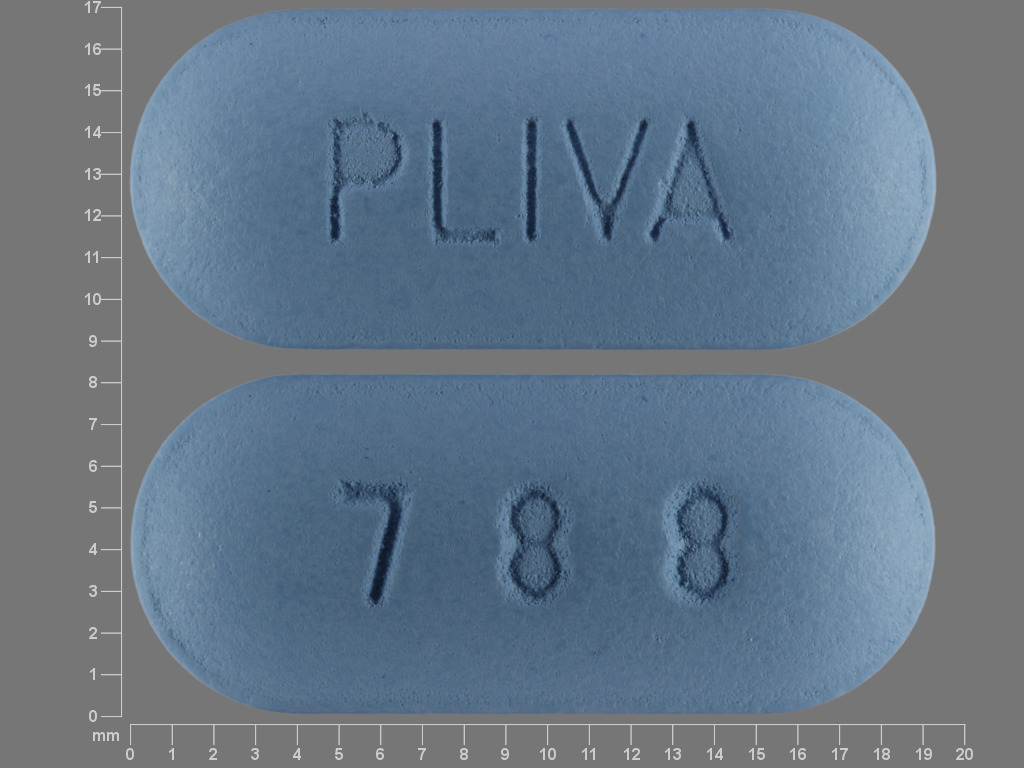

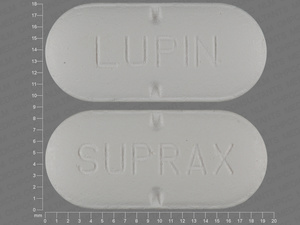

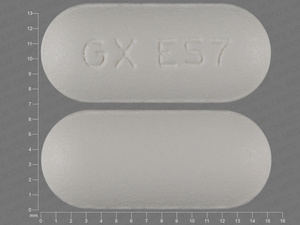
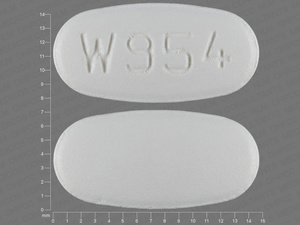



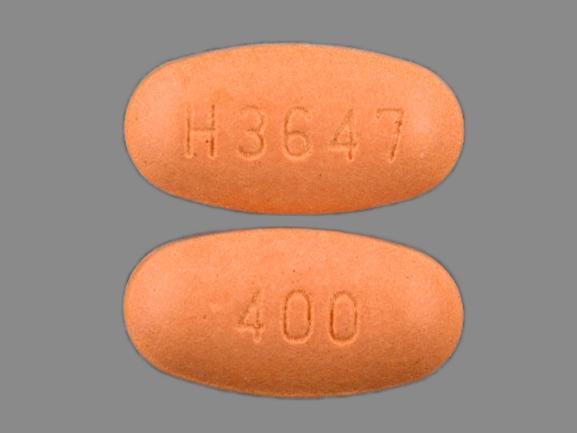
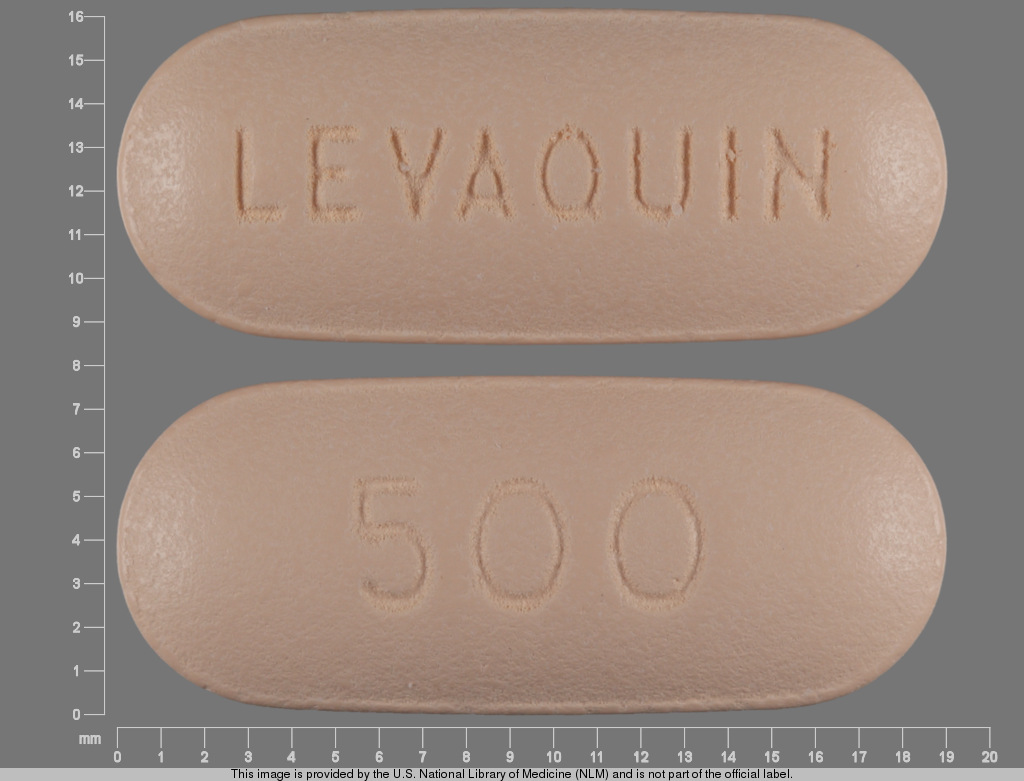


Showing 1–20 of 22
Related Conditions
⚠️ Disclaimer: Information is general and not medical advice. Consult your healthcare provider before starting, changing, or stopping any medication. Read full disclaimer.
Last reviewed: 2026-05-03