
Medications for Fungal Infections
Fungal infections are caused by microscopic fungi — organisms distinct from bacteria and viruses — that can infect the skin, nails, hair, mouth, vaginal area, lungs, or in severe cases, the bloodstream and internal organs. Common superficial infections include athlete's foot (tinea pedis), ringworm (tinea corporis), nail fungus (onychomycosis), yeast infections (candidiasis), and oral thrush. These infections thrive in warm, moist environments and are more common in people who sweat heavily, take antibiotics that disrupt normal flora, or have certain lifestyle exposures. Risk factors for more serious (invasive) fungal infections include immunocompromise (from HIV/AIDS, organ transplant, or chemotherapy), diabetes, prolonged corticosteroid use, and hospitalization in intensive care settings. Symptoms vary by site: skin infections cause redness, scaling, and itching; nail infections cause thickening and discoloration; and invasive infections can cause fever, respiratory problems, and systemic illness.
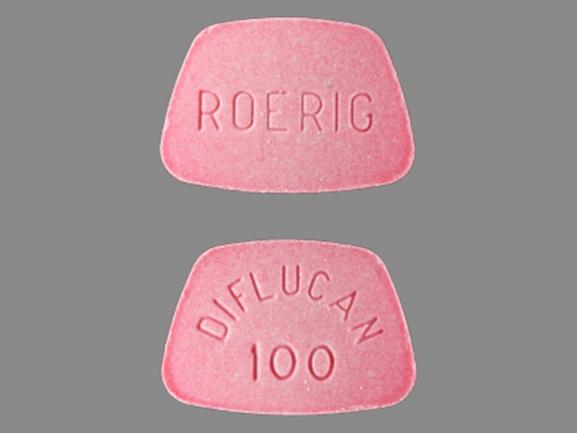
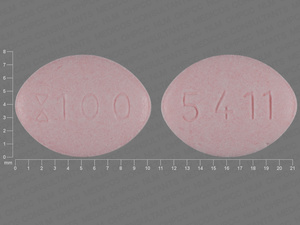
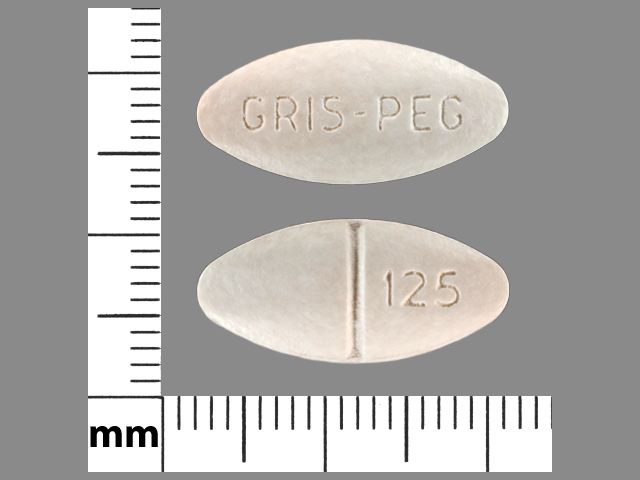
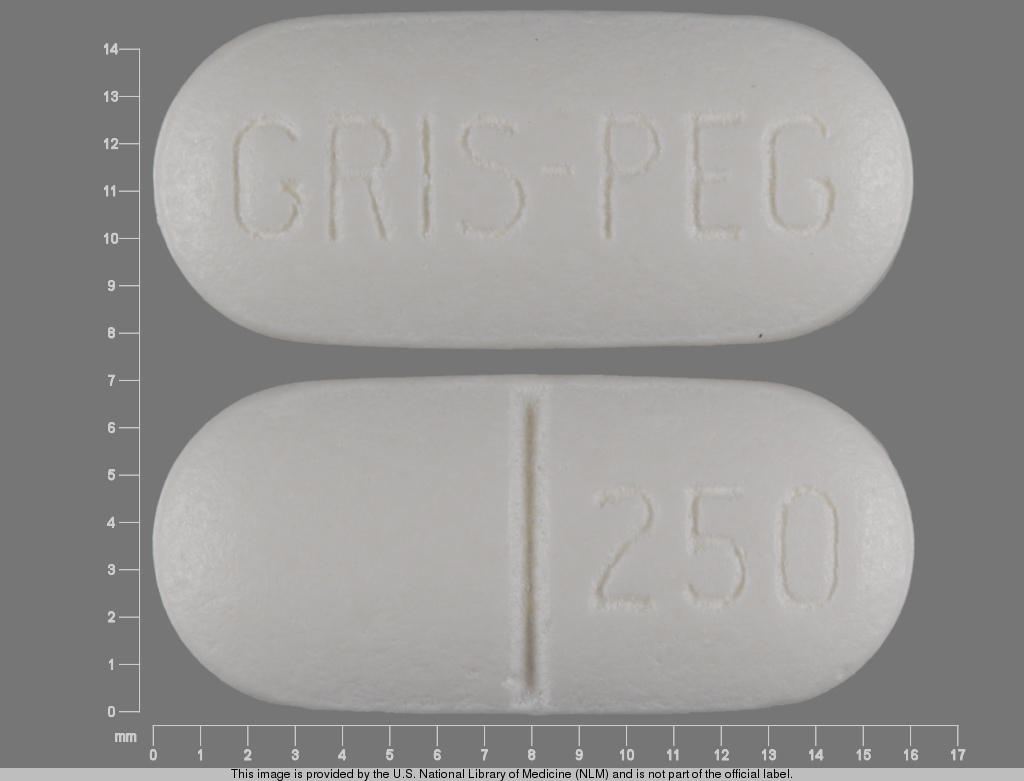
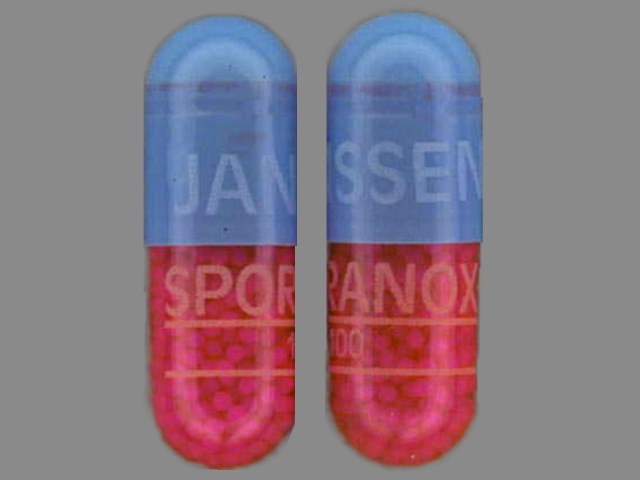
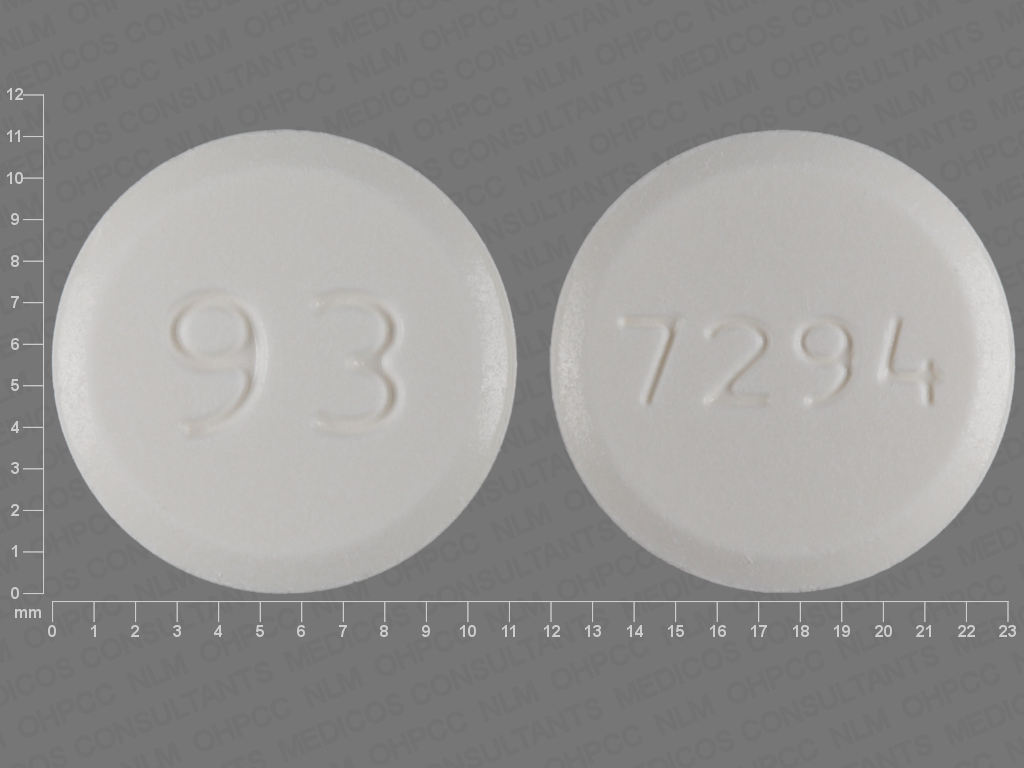
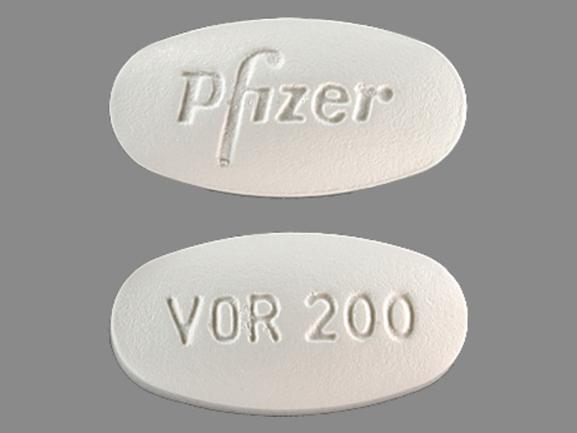
Superficial fungal infections, while rarely dangerous, can be chronic and difficult to clear without the correct antifungal treatment — nail fungus in particular can persist for months or years. Invasive fungal infections such as invasive candidiasis, aspergillosis, and cryptococcosis are potentially life-threatening, especially in immunocompromised patients, and require aggressive treatment. Antifungal medications work by targeting components unique to fungal cells, particularly the cell membrane component ergosterol or the fungal cell wall. The main classes include azoles (such as fluconazole, itraconazole, and voriconazole), which inhibit ergosterol synthesis; polyenes (such as amphotericin B and nystatin), which bind directly to ergosterol; and echinocandins (such as caspofungin), which inhibit cell wall synthesis and are used for serious infections. The medications listed below are among the most commonly prescribed for treating fungal infections.
Medications
13 medications found for Medications for Fungal Infections

Related Conditions
⚠️ Disclaimer: Information is general and not medical advice. Consult your healthcare provider before starting, changing, or stopping any medication. Read full disclaimer.
Last reviewed: 2026-05-03