Medications for Depression
Depression (major depressive disorder) is a common and serious mood disorder characterized by persistent feelings of sadness, emptiness, or hopelessness that interfere significantly with everyday life. It is more than just feeling sad — it is a medical condition influenced by changes in brain chemistry, genetics, hormonal imbalances, and life experiences such as trauma or chronic stress. Depression affects people of all ages and backgrounds, but it is more prevalent in women and tends to first appear in the teens to mid-20s. Symptoms include persistent low mood, loss of interest or pleasure in activities, changes in appetite and weight, sleep disturbances, fatigue, difficulty concentrating, feelings of worthlessness, and in severe cases, thoughts of death or suicide. It is a leading cause of disability worldwide.
Without treatment, depression can become chronic and severely disrupt relationships, work performance, and physical health — it is also associated with an increased risk of heart disease and diabetes. Treatment typically involves a combination of psychotherapy (especially CBT) and medication. The most widely prescribed antidepressants are SSRIs (such as fluoxetine and sertraline) and SNRIs (such as venlafaxine and duloxetine), which work by increasing serotonin and/or norepinephrine levels in the brain. Other options include tricyclic antidepressants, monoamine oxidase inhibitors (MAOIs), and atypical antidepressants such as bupropion or mirtazapine. The medications listed below are among the most commonly prescribed for treating depression and related mood disorders.
Medications
92 medications found for Medications for Depression
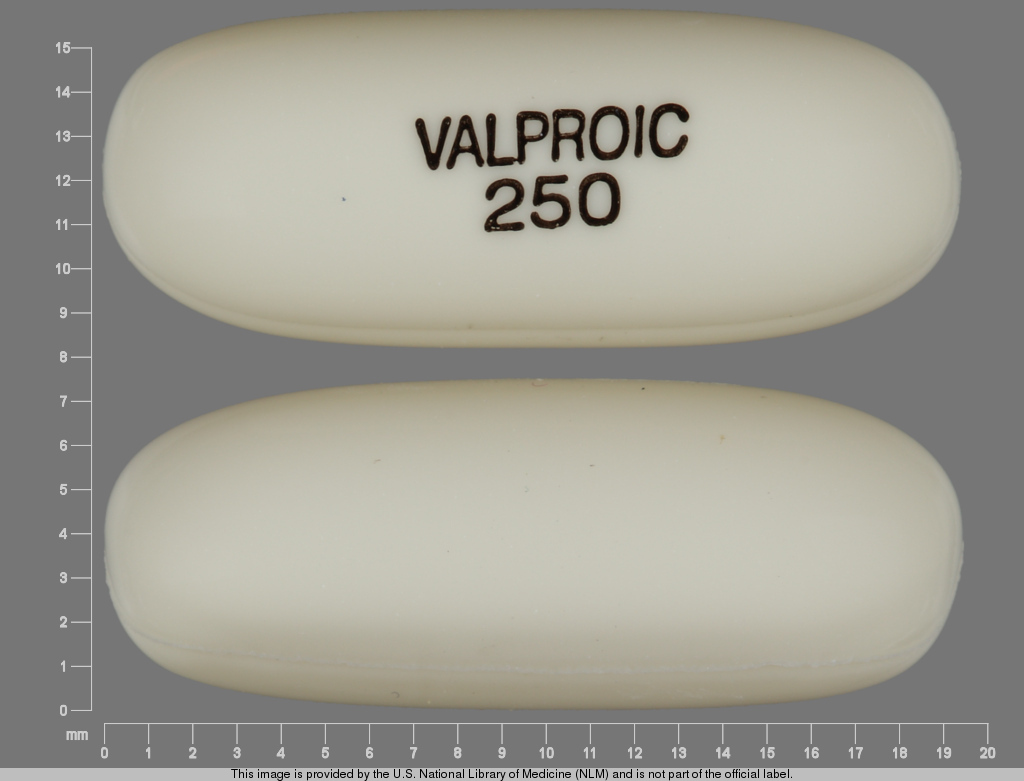
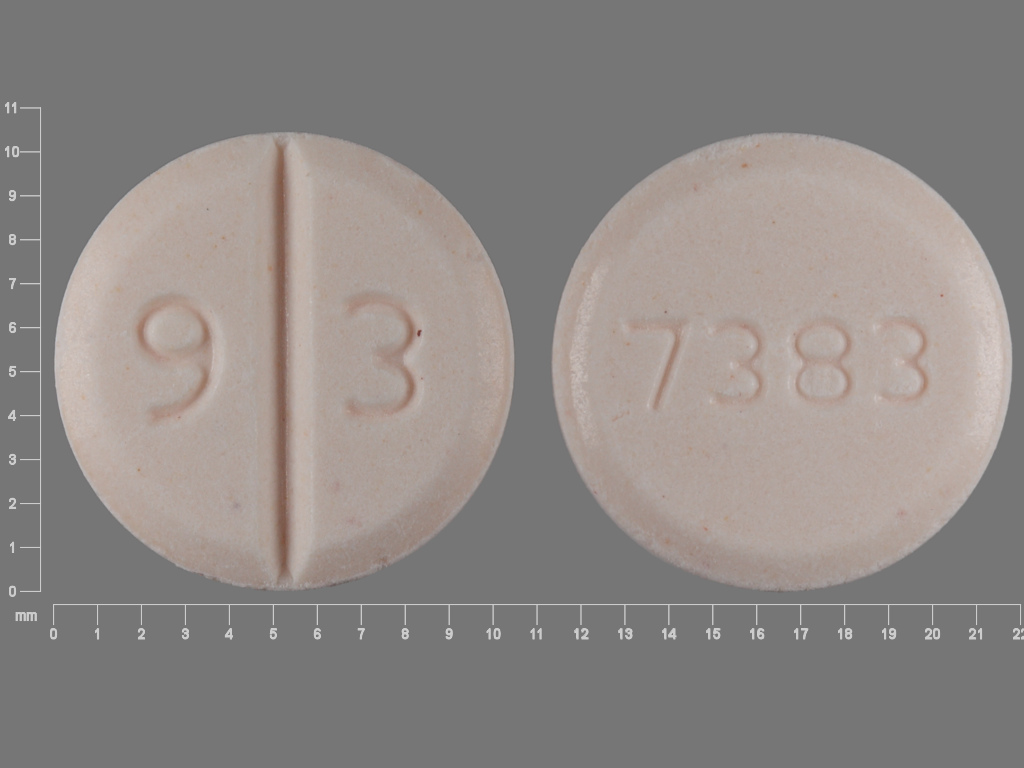
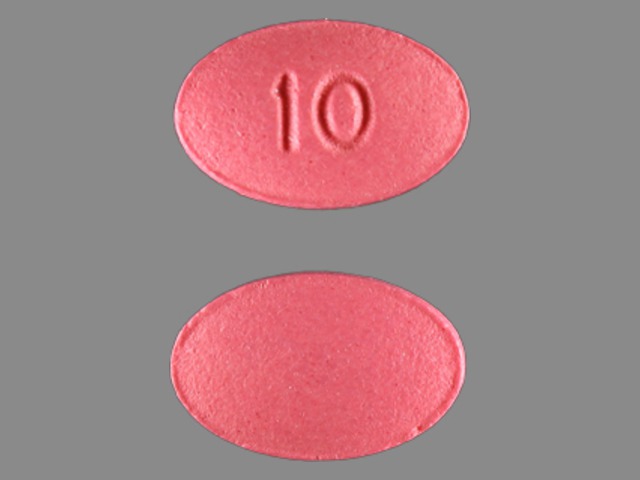
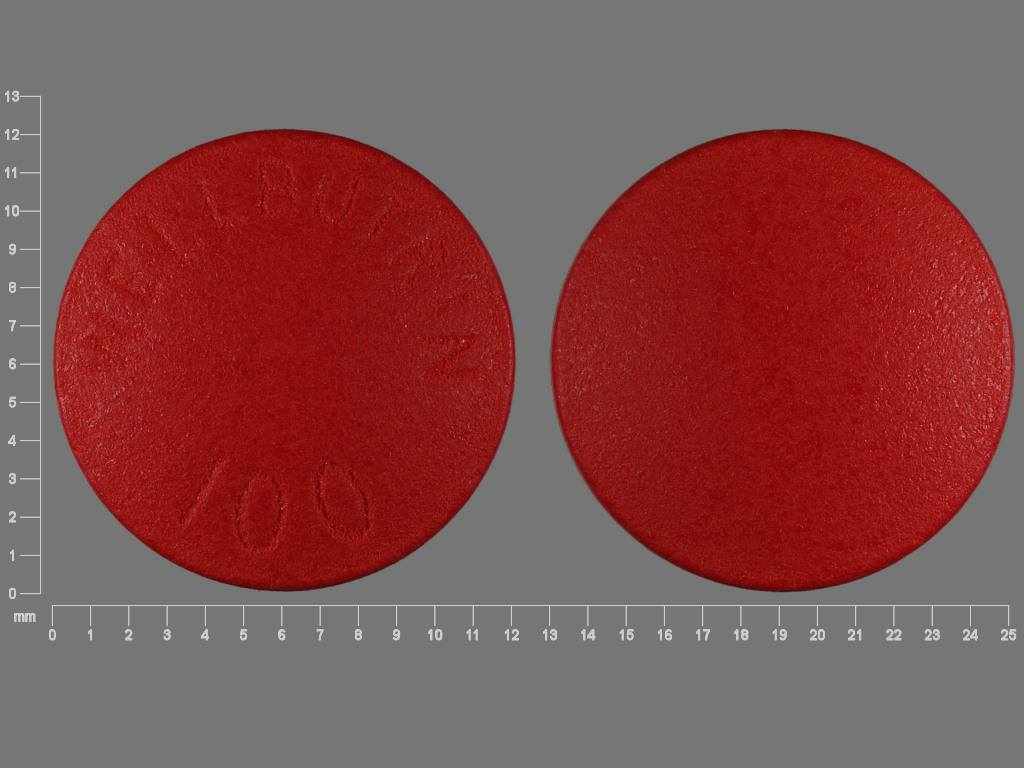
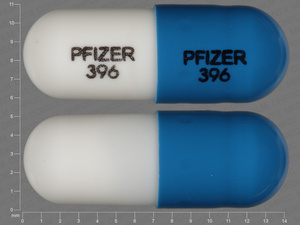
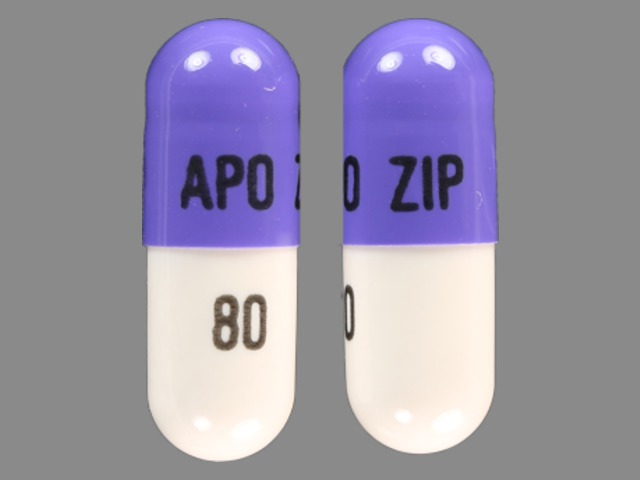
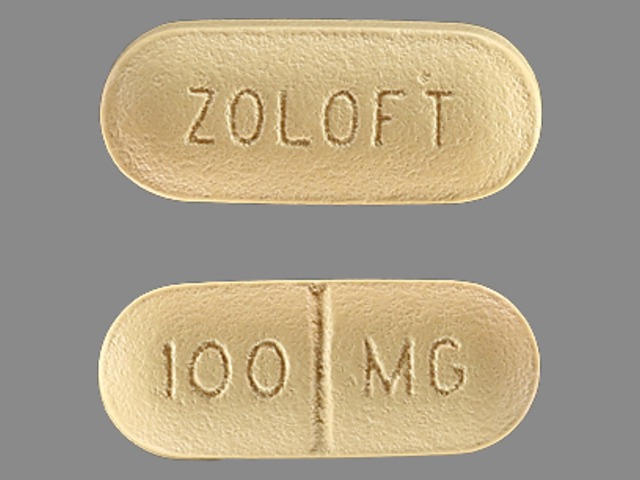
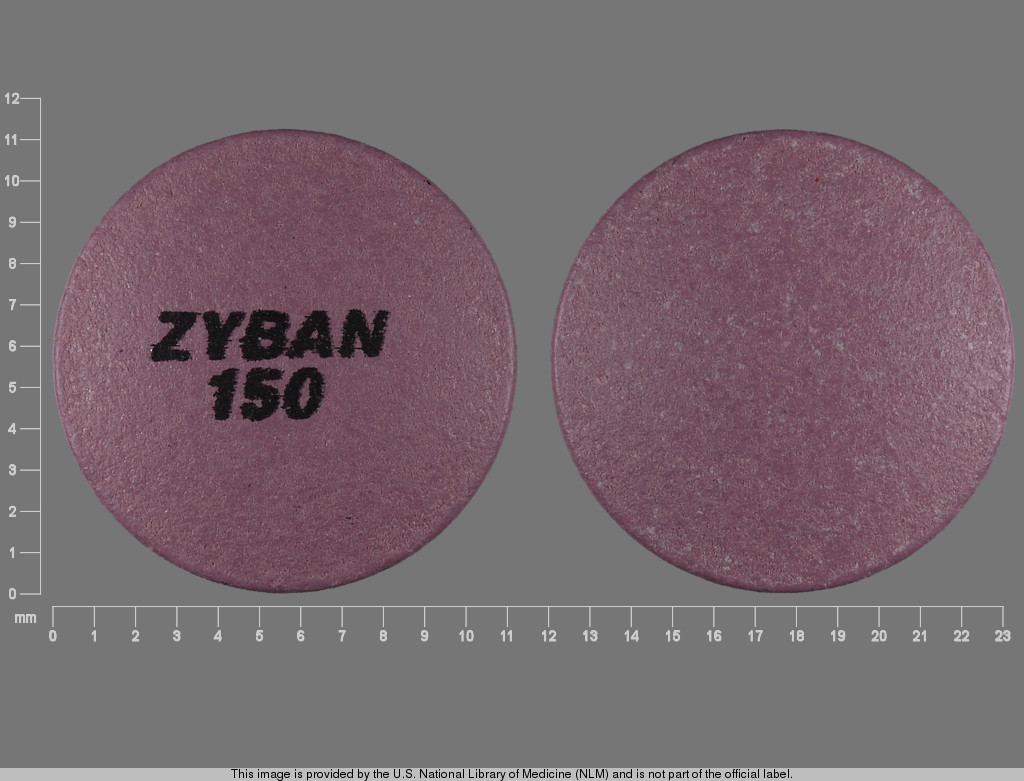
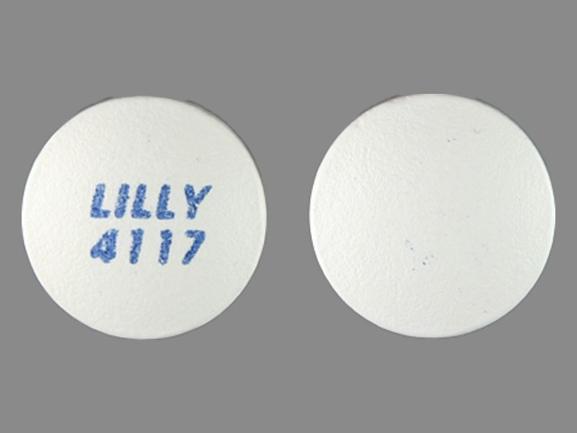
Showing 81–92 of 92
Related Conditions
⚠️ Disclaimer: Information is general and not medical advice. Consult your healthcare provider before starting, changing, or stopping any medication. Read full disclaimer.
Last reviewed: 2026-05-03