
Medications for Pain
Pain is not a single condition but a broad symptom that can arise from many different sources — injury, inflammation, nerve damage, surgery, chronic diseases, or conditions with no clearly identifiable cause. It is typically classified as acute (short-term, tied to a specific injury or illness) or chronic (lasting three months or more, often outlasting the original cause). Common sources include musculoskeletal problems such as back pain and arthritis, nerve-related (neuropathic) pain from conditions like diabetes or shingles, headaches and migraines, and post-surgical or cancer-related pain. Pain can range from a dull ache to sharp, burning, or shooting sensations and may be accompanied by sensitivity to touch, swelling, or limited movement. Because pain is subjective and its causes are diverse, treatment must be tailored to the underlying mechanism.
Uncontrolled chronic pain can disrupt sleep, limit mobility, contribute to anxiety and depression, and significantly reduce quality of life. Treatment approaches depend on the type and cause of pain: nonsteroidal anti-inflammatory drugs (NSAIDs) reduce inflammation and are widely used for musculoskeletal and mild-to-moderate pain; acetaminophen eases pain without addressing inflammation; opioids are reserved for severe or cancer-related pain due to their risk of dependence; and adjuvant medications such as certain antidepressants, anticonvulsants, and muscle relaxants address neuropathic or chronic pain specifically. Topical treatments (creams, patches) and non-drug therapies such as physical therapy and nerve blocks are also part of comprehensive pain management plans. The medications listed below are among the most commonly prescribed for treating various types of pain.
Medications
23 medications found for Medications for Pain
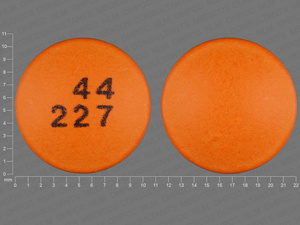
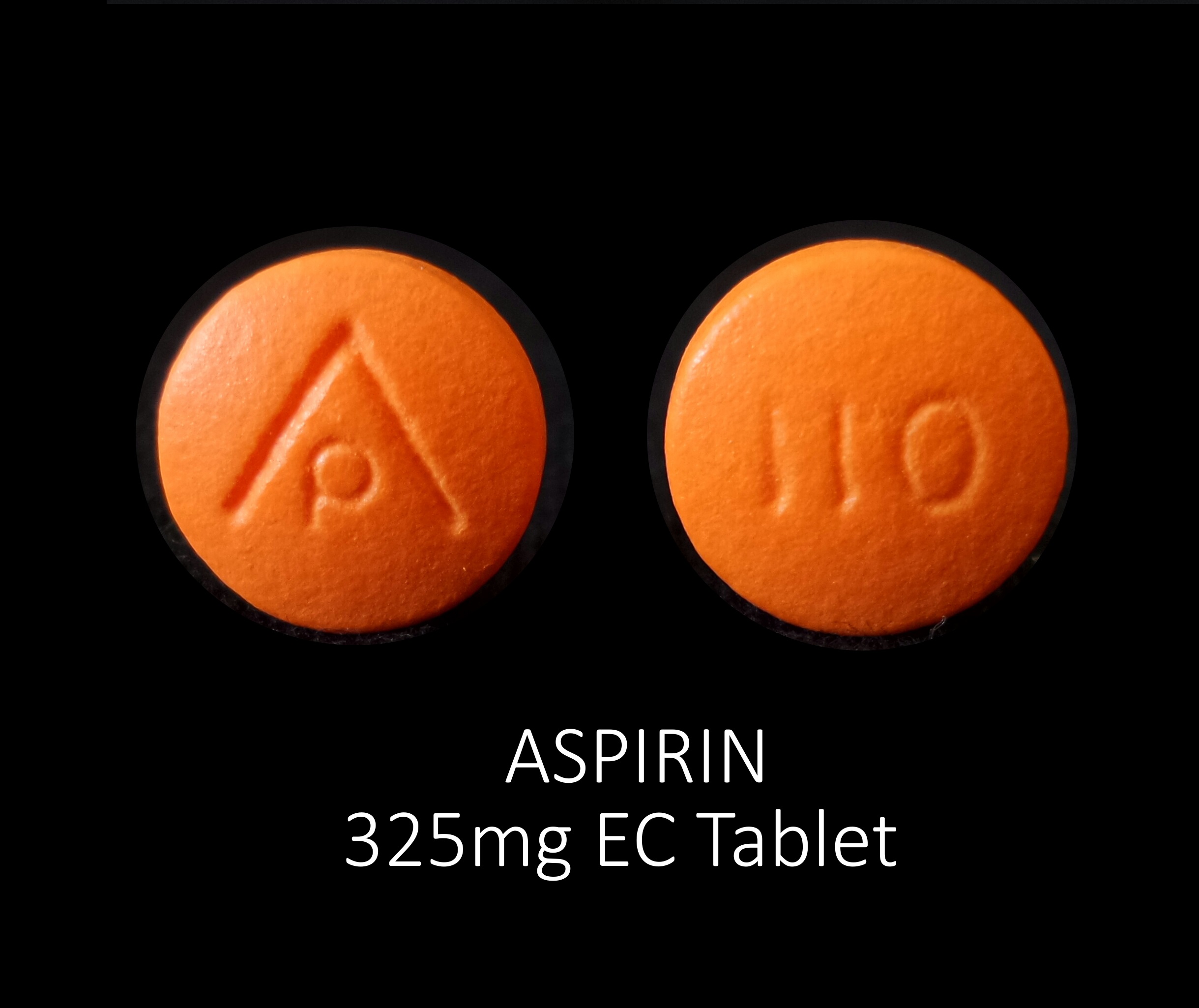
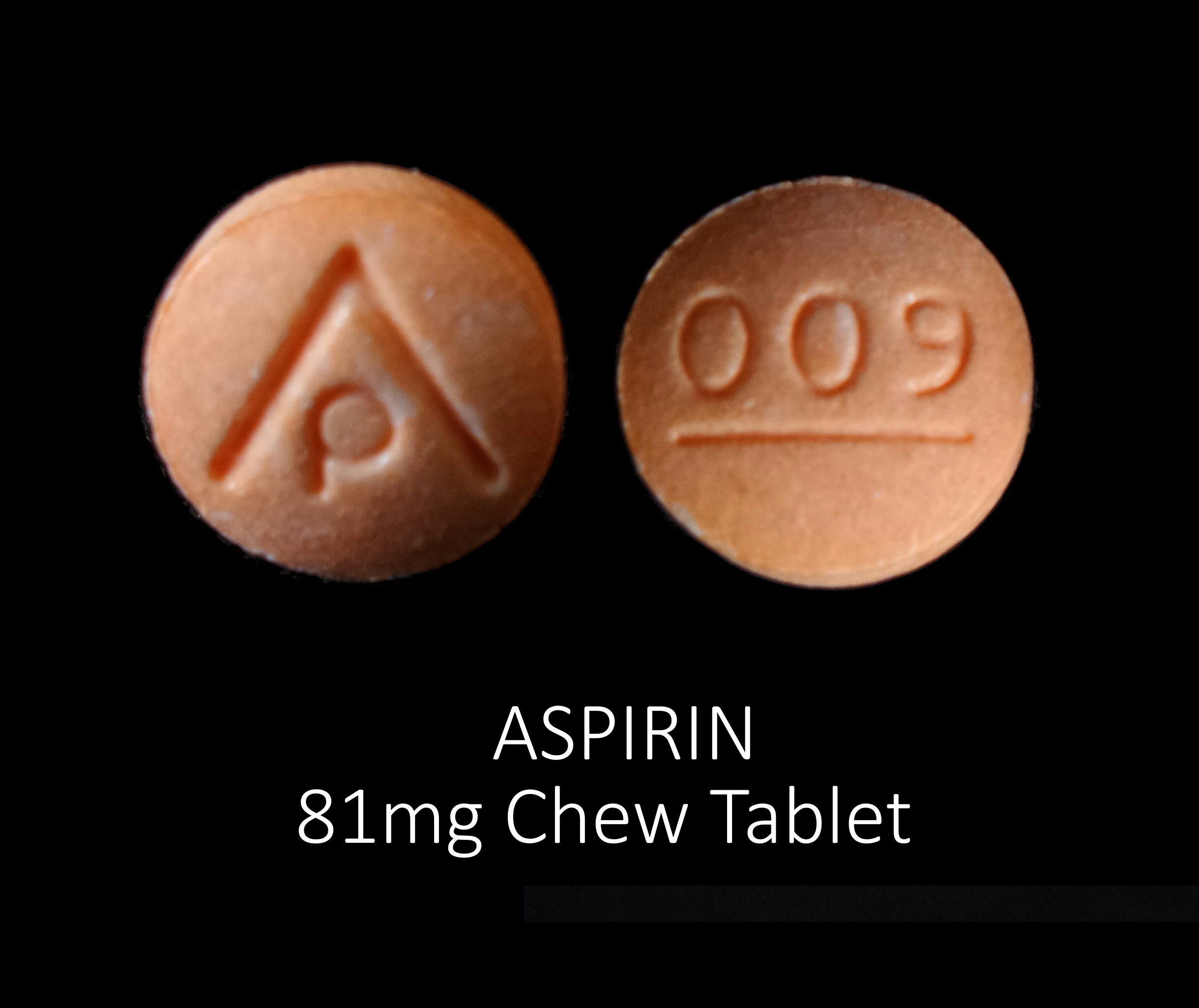
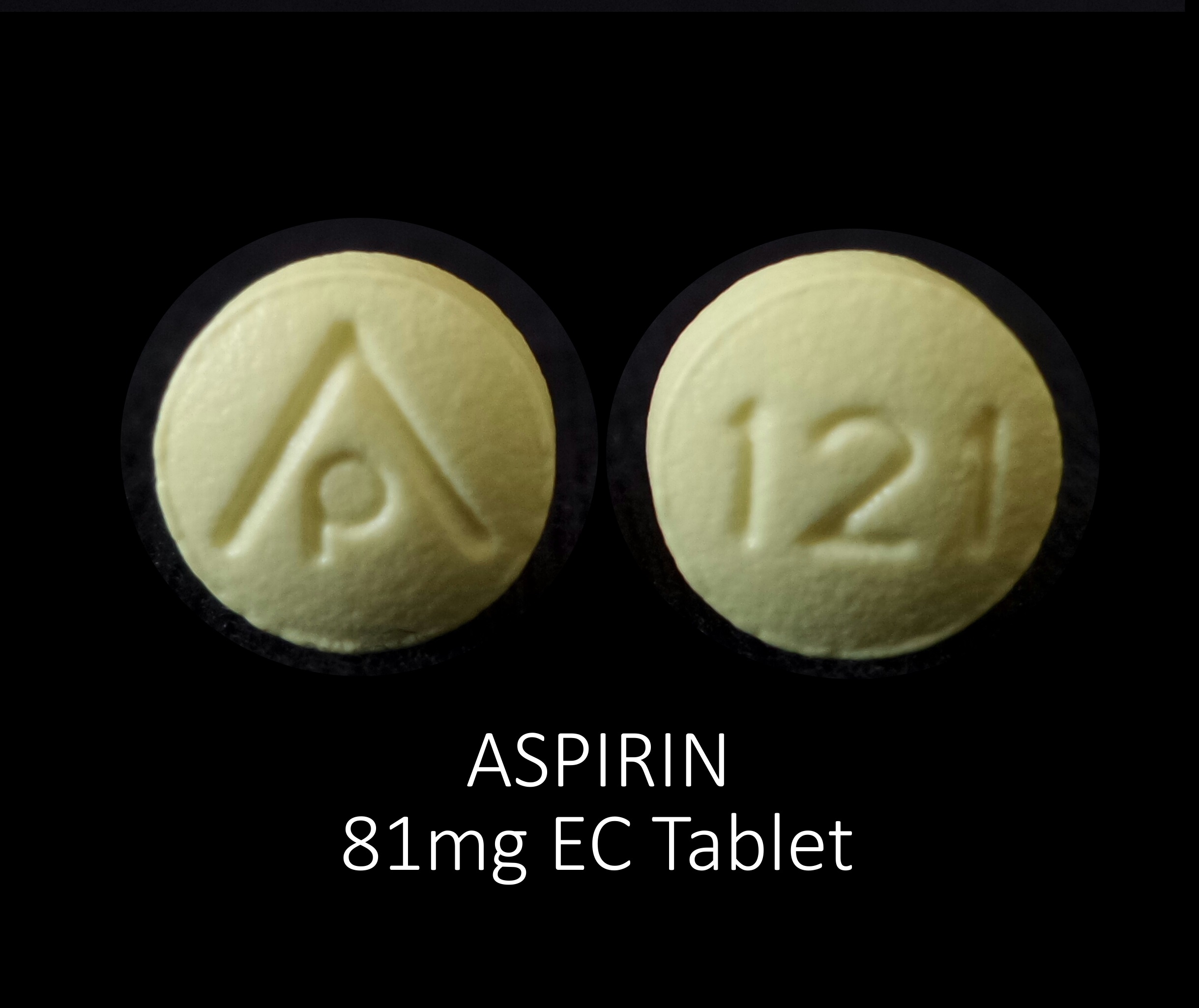
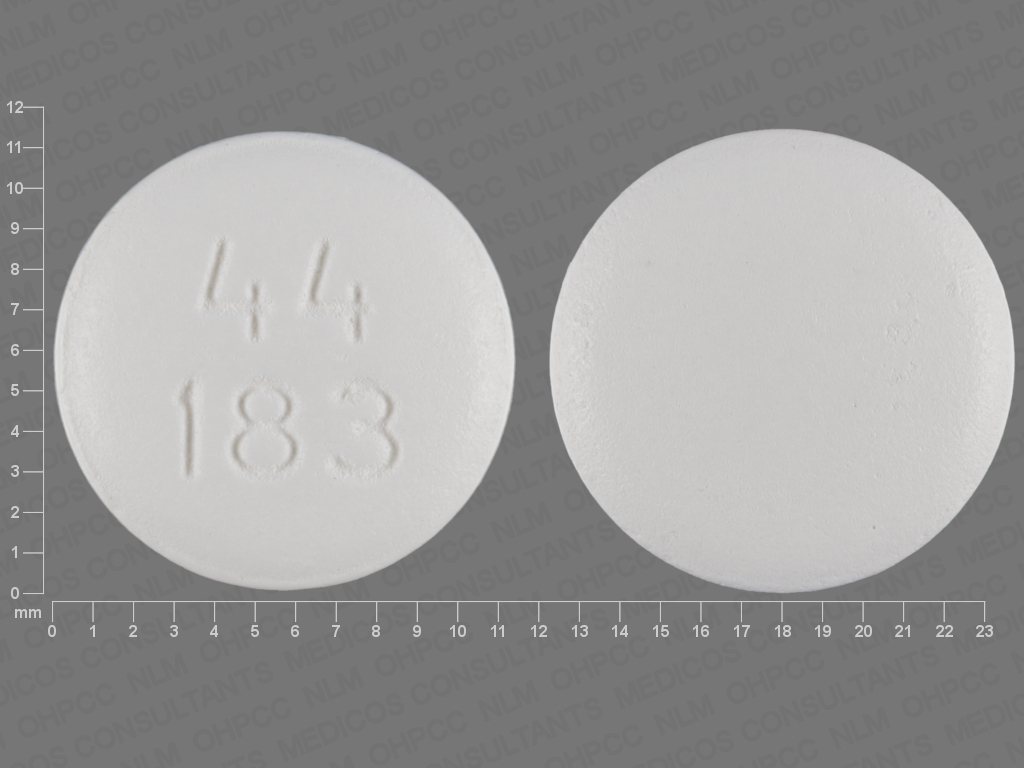
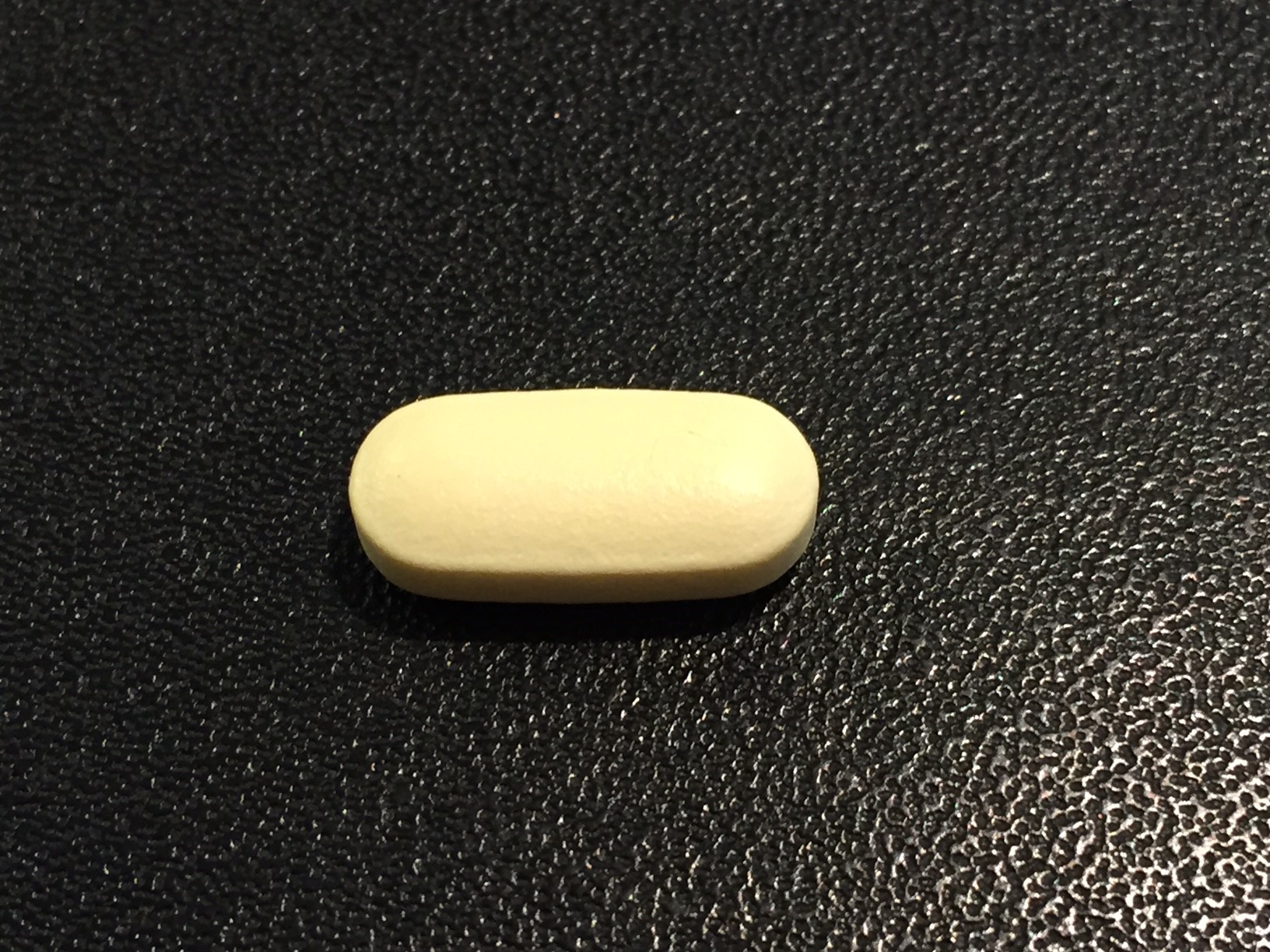
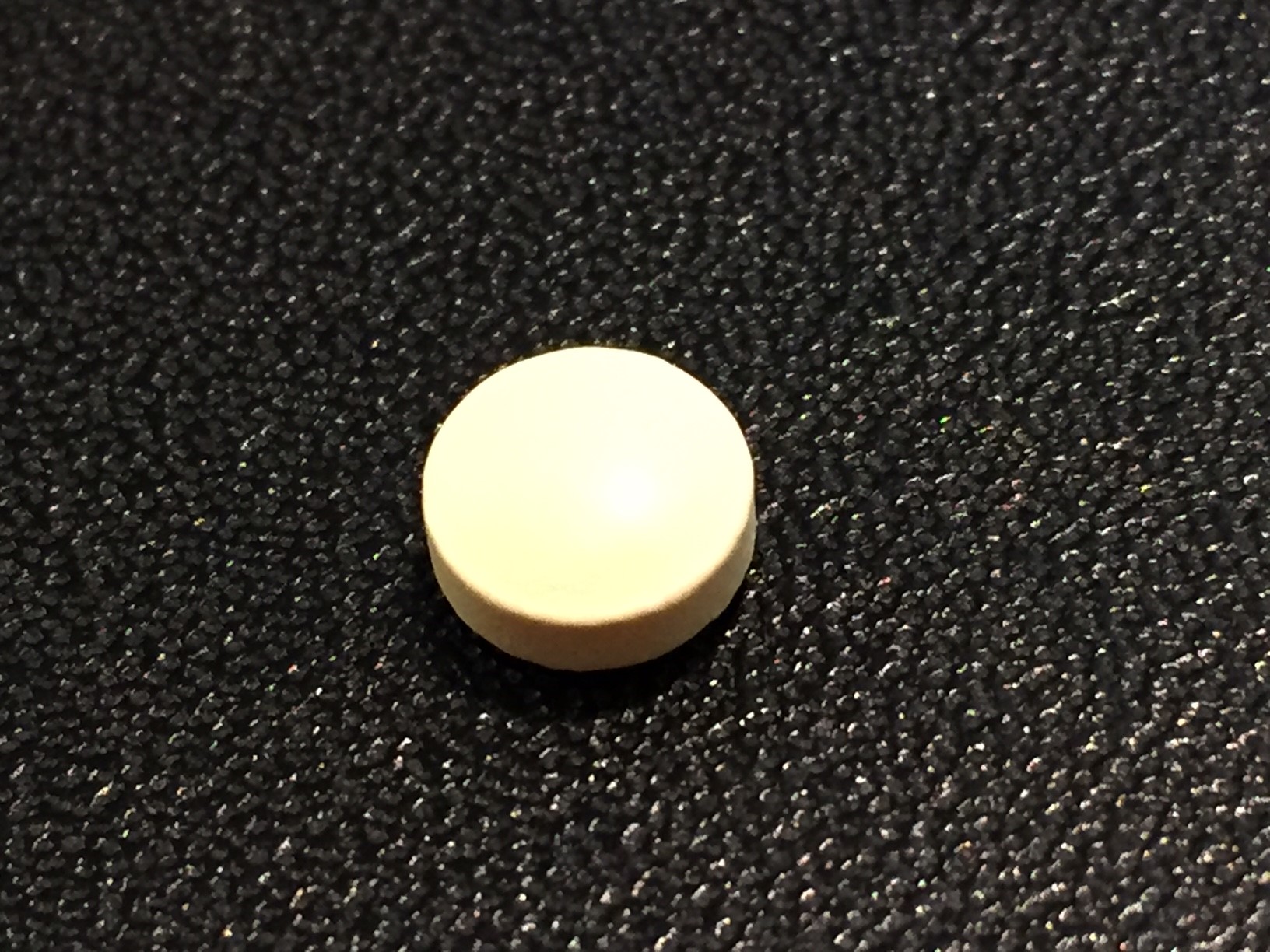

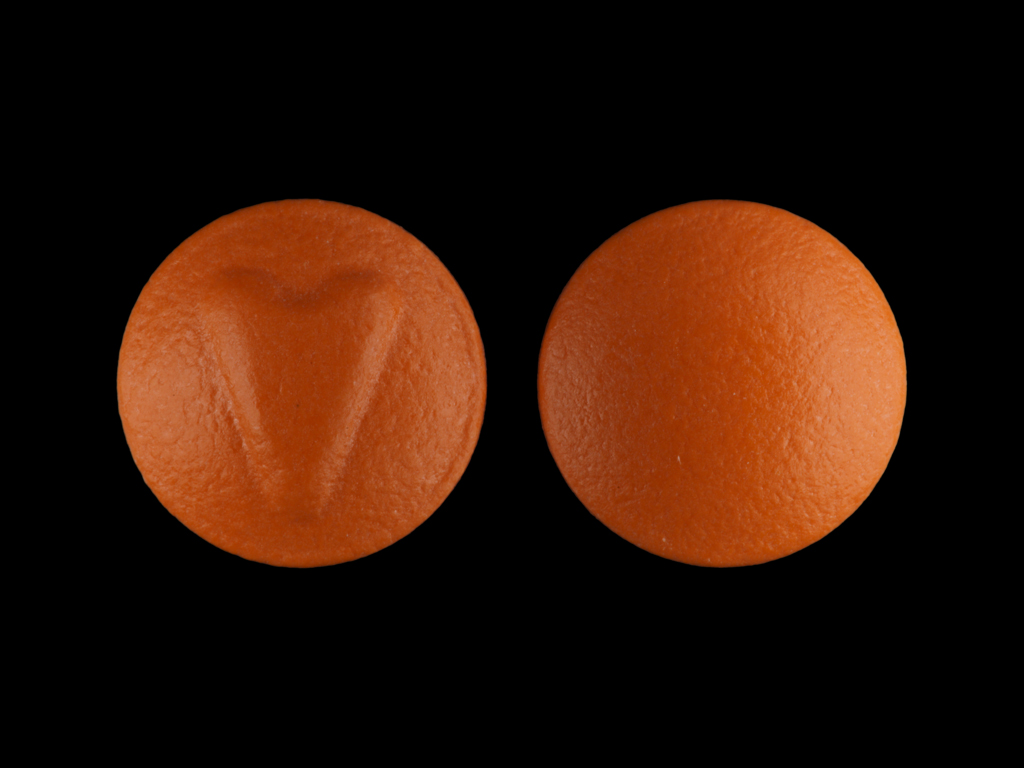
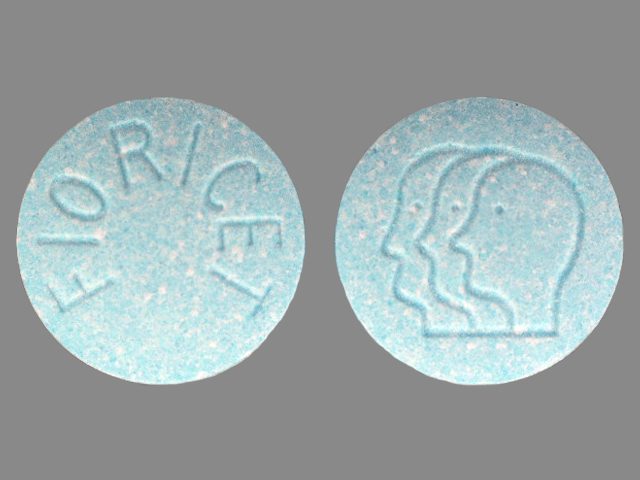
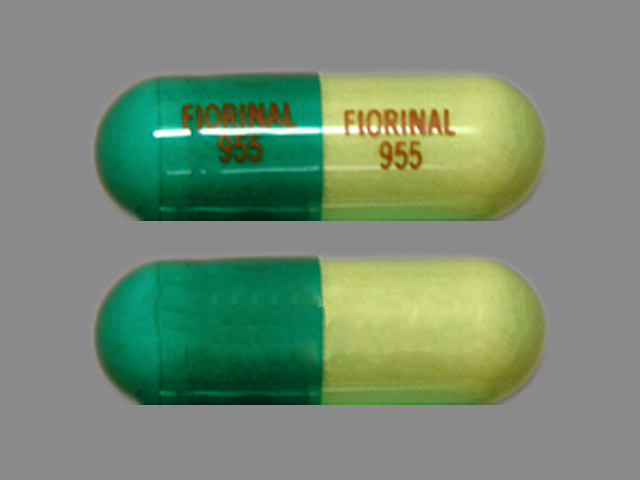
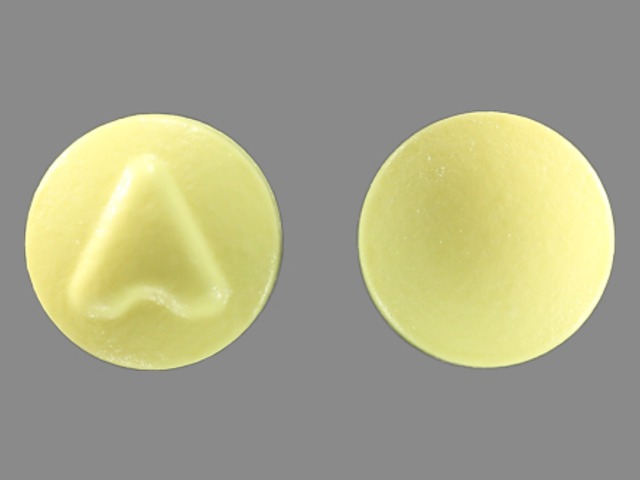
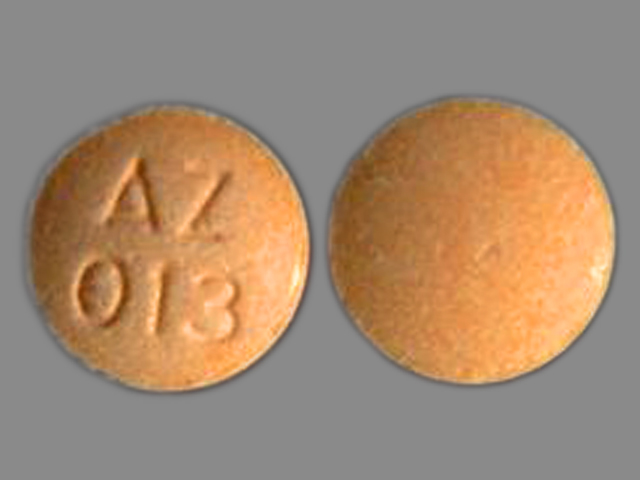
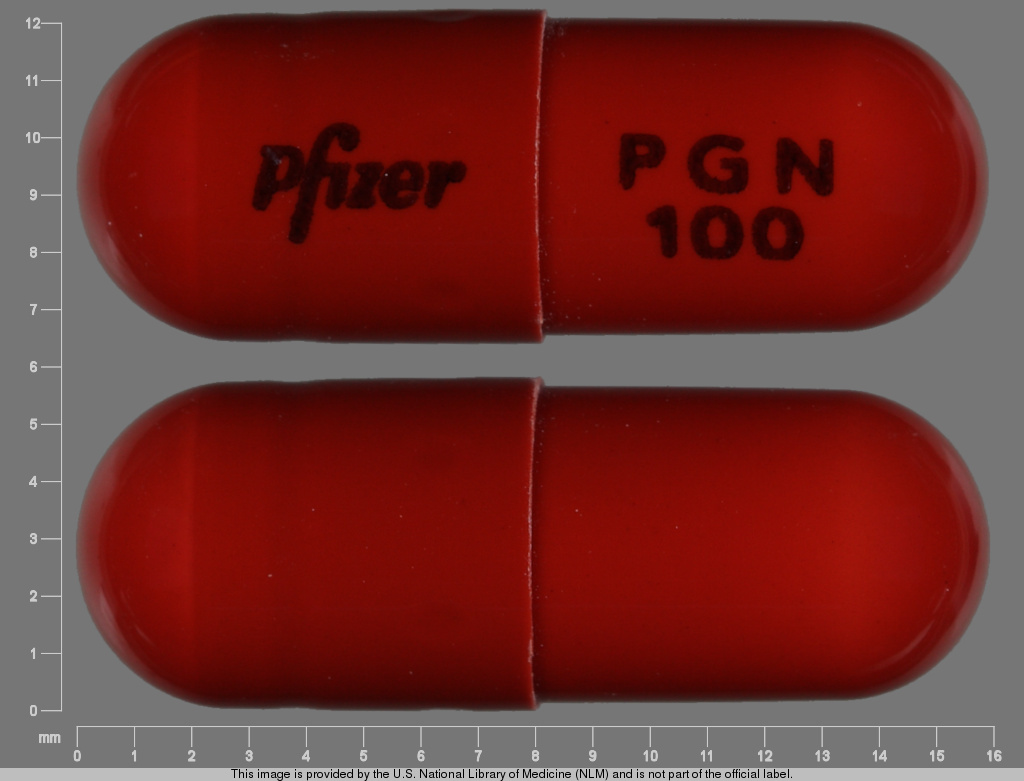
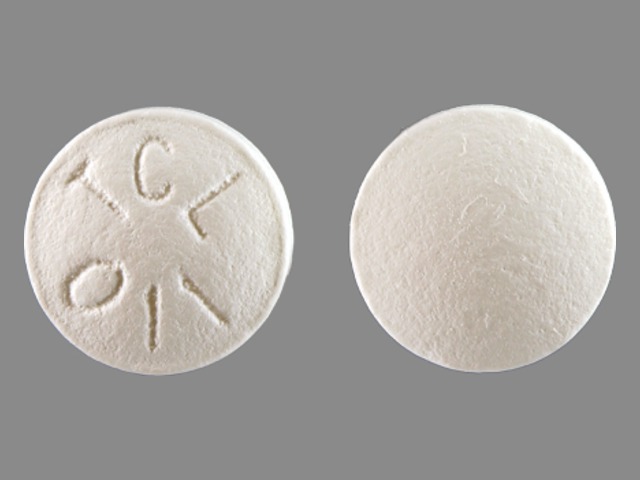
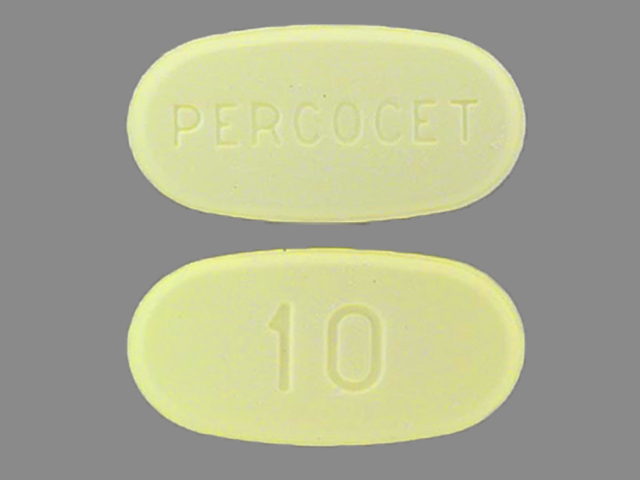
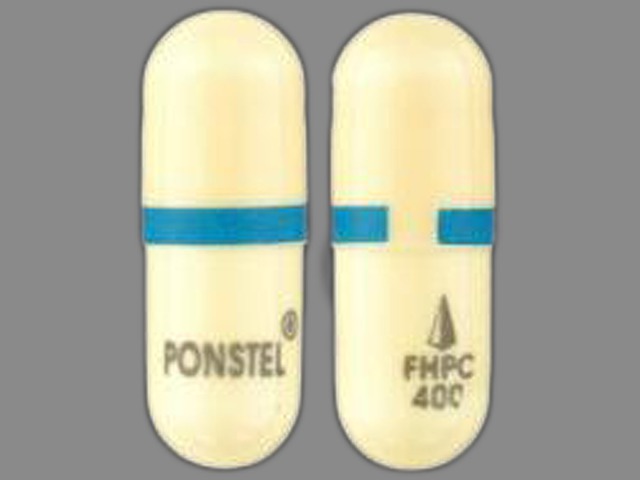
Showing 1–20 of 23
Related Conditions
⚠️ Disclaimer: Information is general and not medical advice. Consult your healthcare provider before starting, changing, or stopping any medication. Read full disclaimer.
Last reviewed: 2026-05-03