
Medications for Heart Attack
A heart attack — also called a myocardial infarction — occurs when blood flow to part of the heart muscle is blocked, usually by a buildup of fatty deposits (plaque) inside the coronary arteries. When a plaque ruptures, a blood clot can form at that spot and cut off the artery entirely, starving the heart muscle of oxygen. The most common risk factors include high blood pressure, high cholesterol, smoking, diabetes, obesity, and a family history of heart disease. Classic warning signs include chest pain or pressure, shortness of breath, pain that spreads to the arm, neck, or jaw, cold sweats, and lightheadedness. Symptoms can sometimes be subtler in women, who may feel more fatigue, back pain, or indigestion rather than classic chest pain.
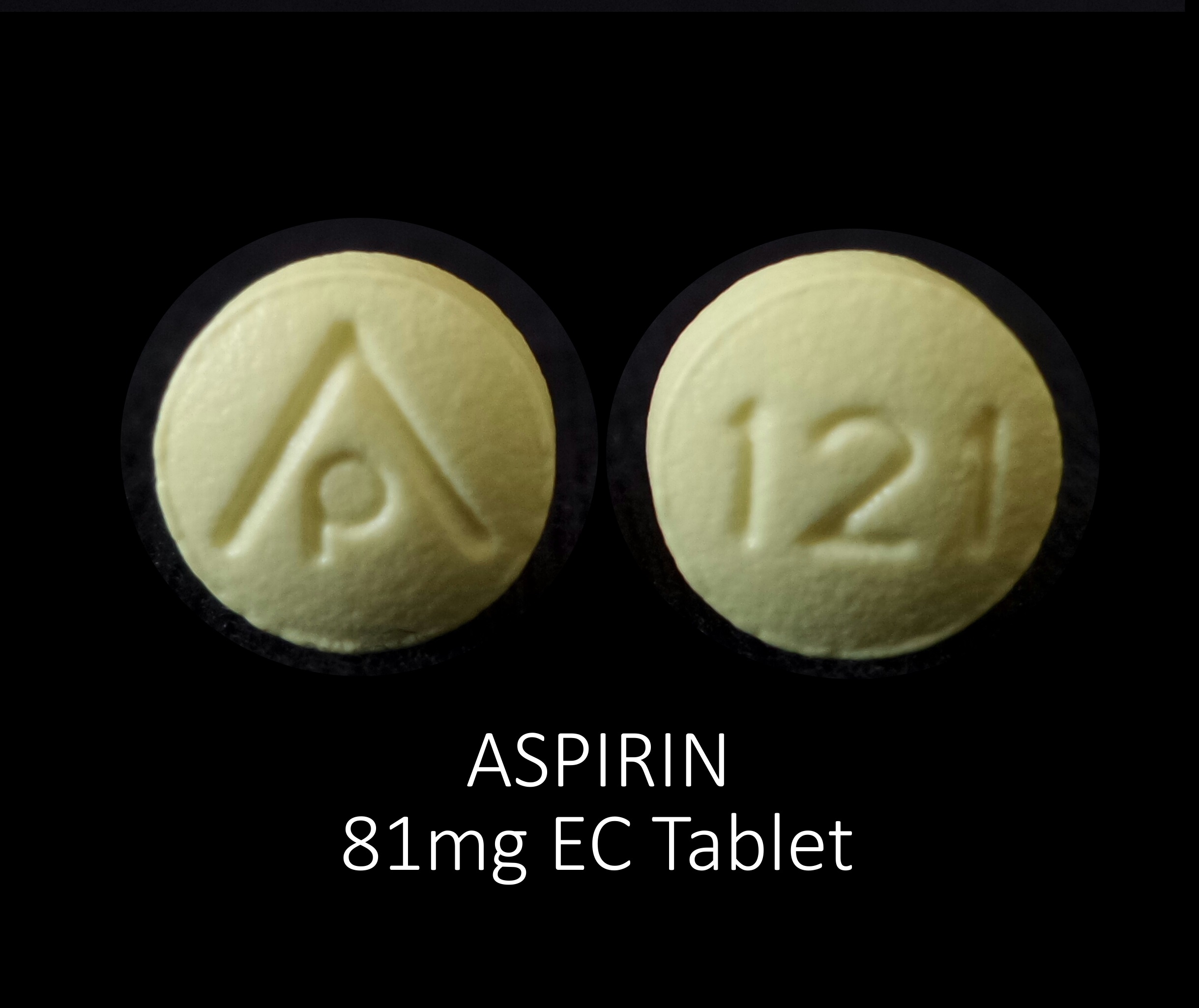
Without prompt treatment, a heart attack can permanently damage or destroy heart muscle, leading to heart failure, dangerous heart rhythm problems (arrhythmias), or cardiac arrest. The risk of a second heart attack also increases significantly if underlying risk factors are not addressed. Medications used after a heart attack typically include aspirin and other antiplatelet drugs to prevent new clots, beta-blockers to reduce the heart's workload, ACE inhibitors or ARBs to lower blood pressure and protect heart function, and statins to lower cholesterol. Blood thinners and clot-dissolving drugs may be used during the acute event itself. The medications listed below are among the most commonly prescribed to reduce the risk of a second heart attack and support long-term cardiovascular health.
Medications
62 medications found for Medications for Heart Attack
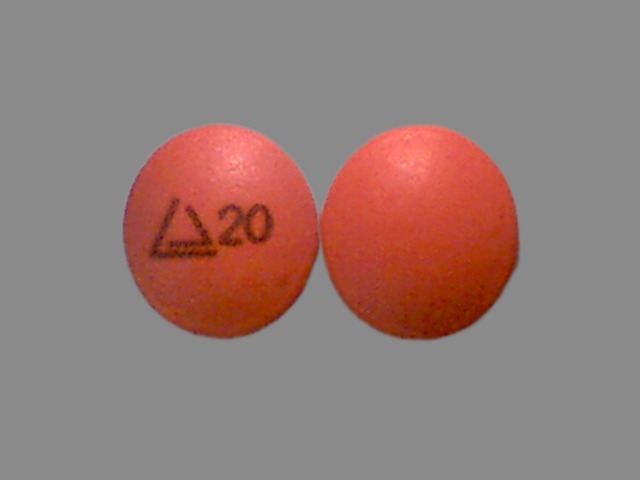
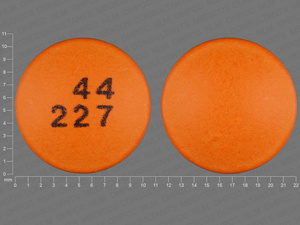
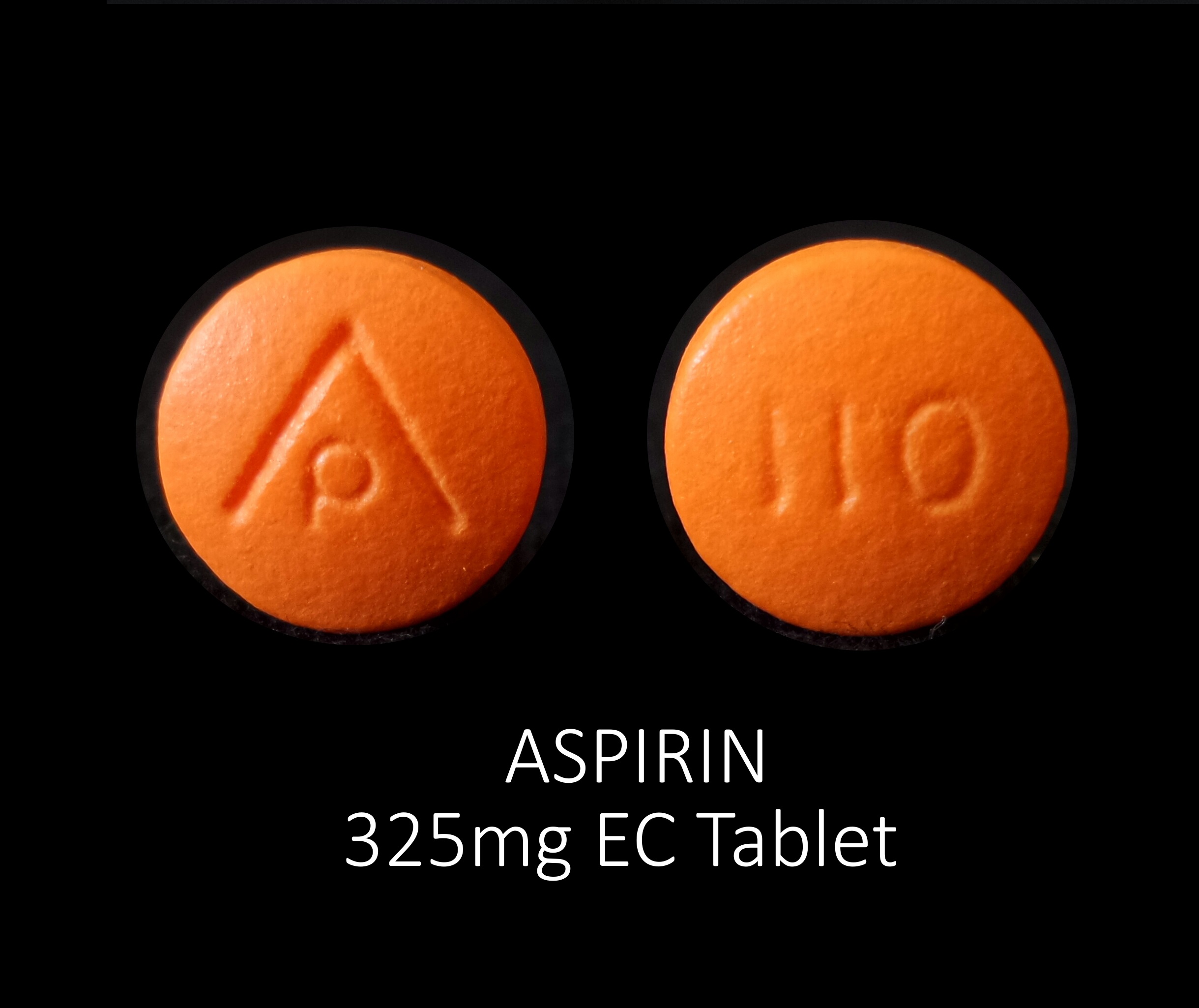
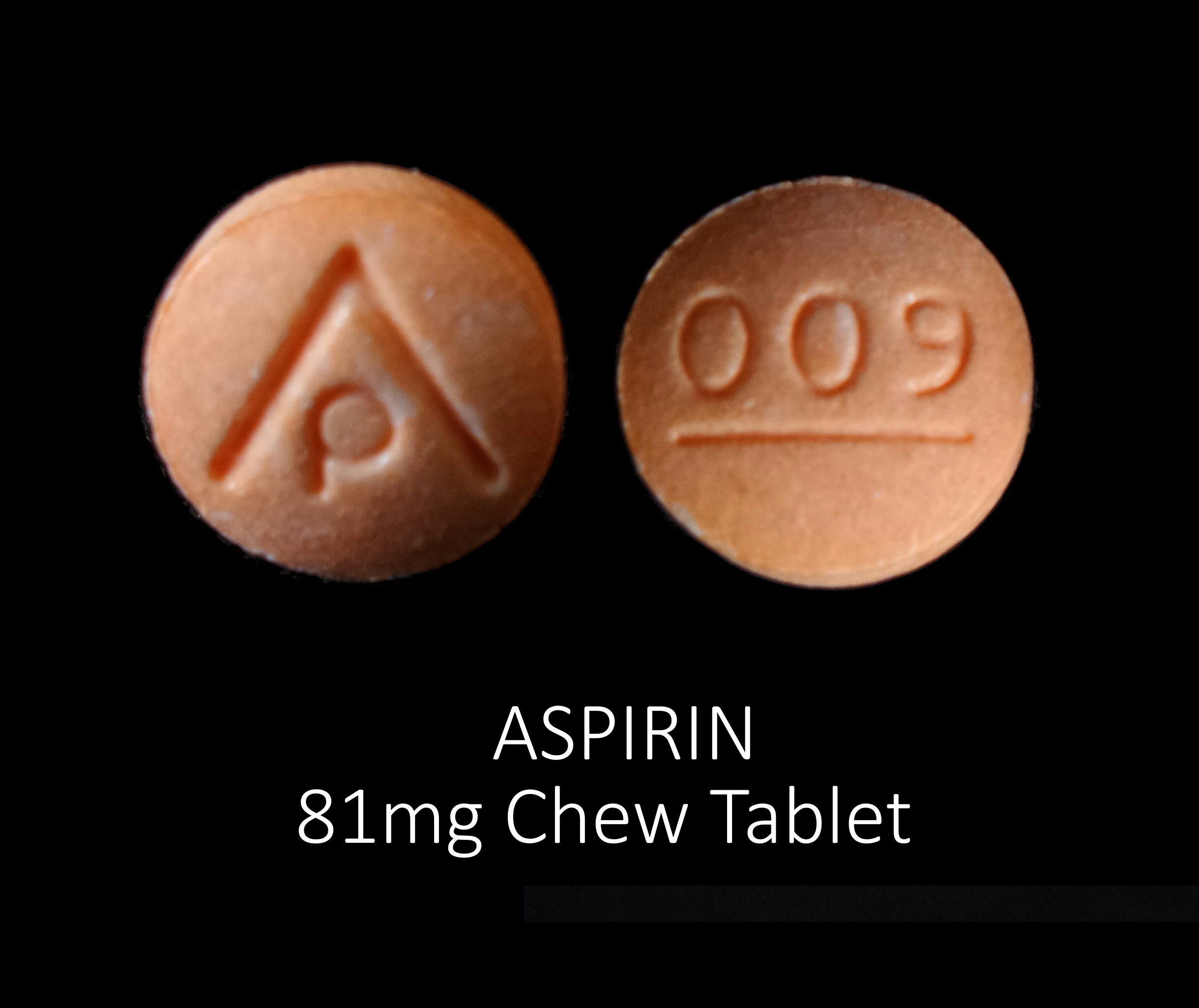
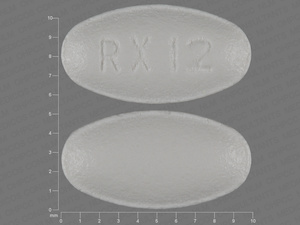
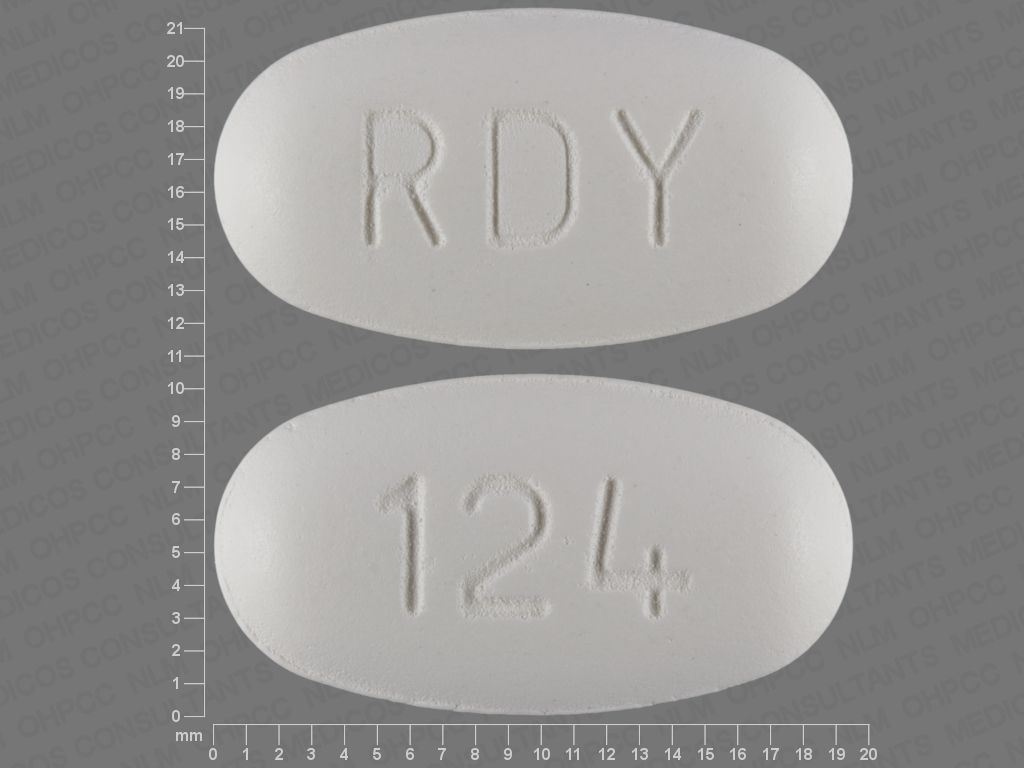
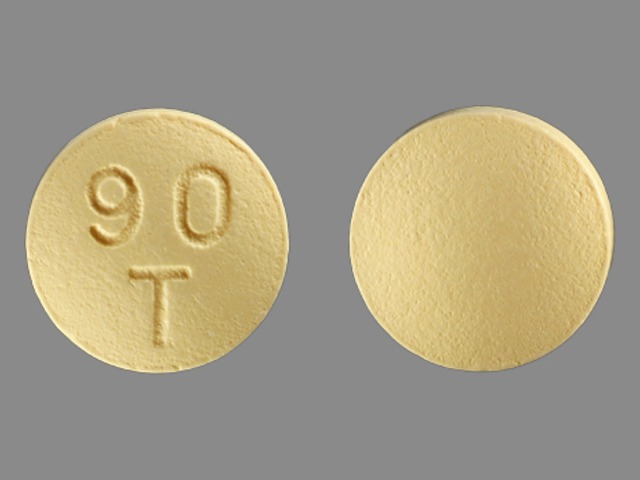
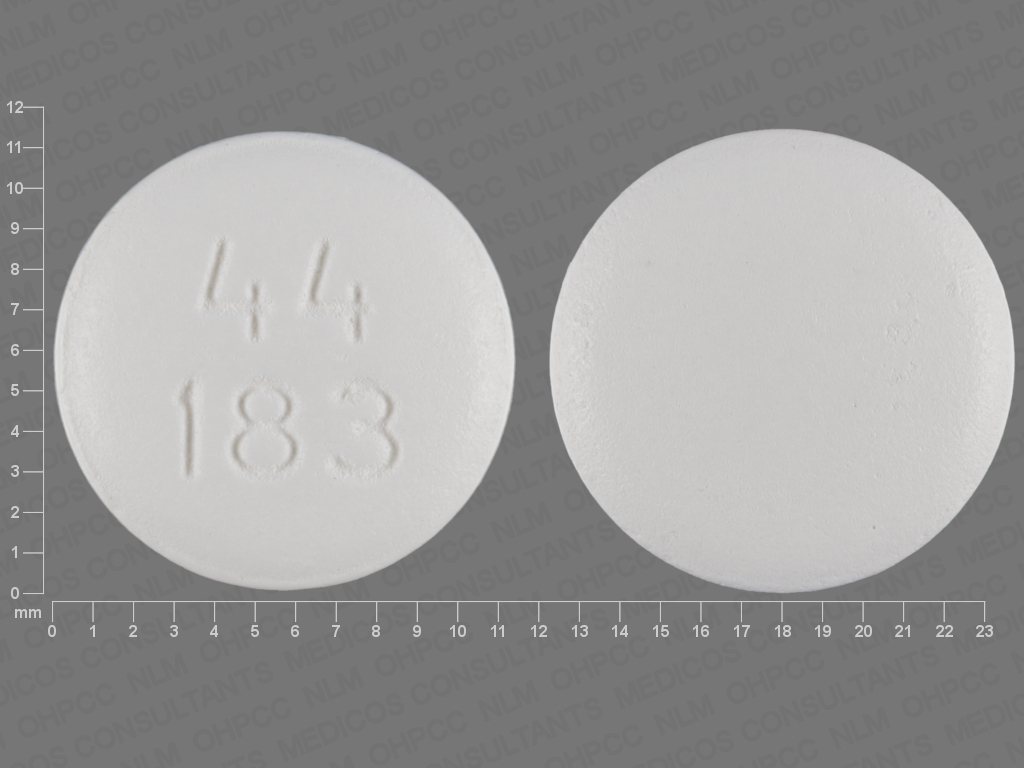
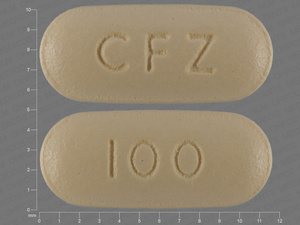
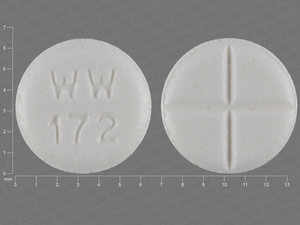
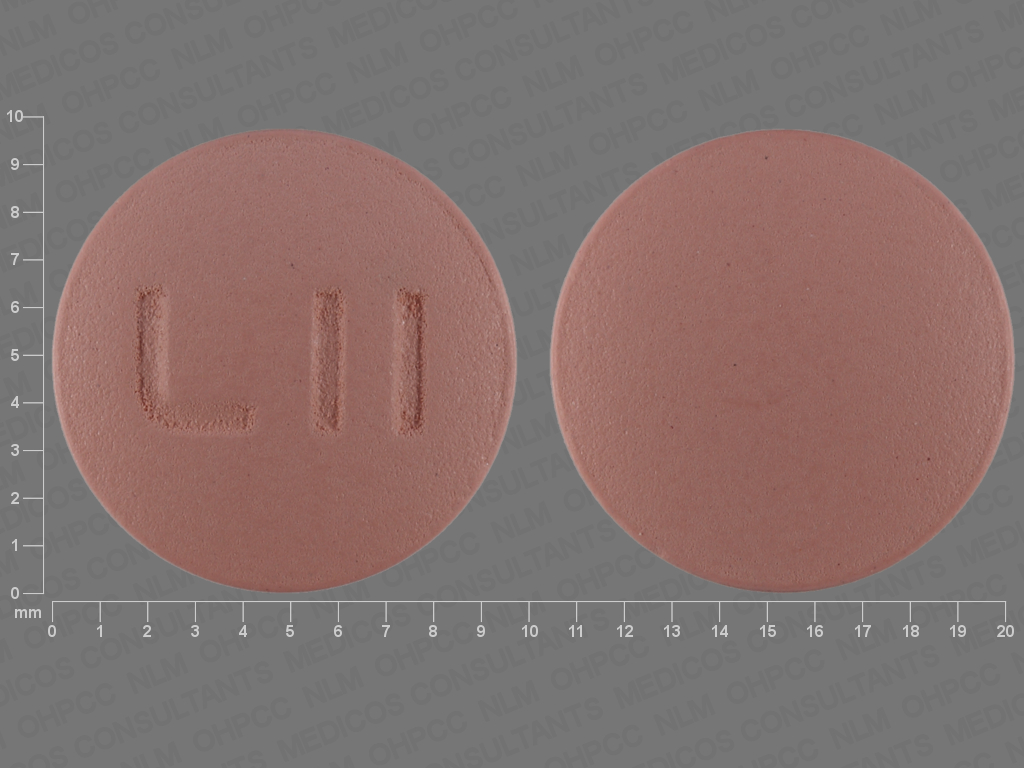
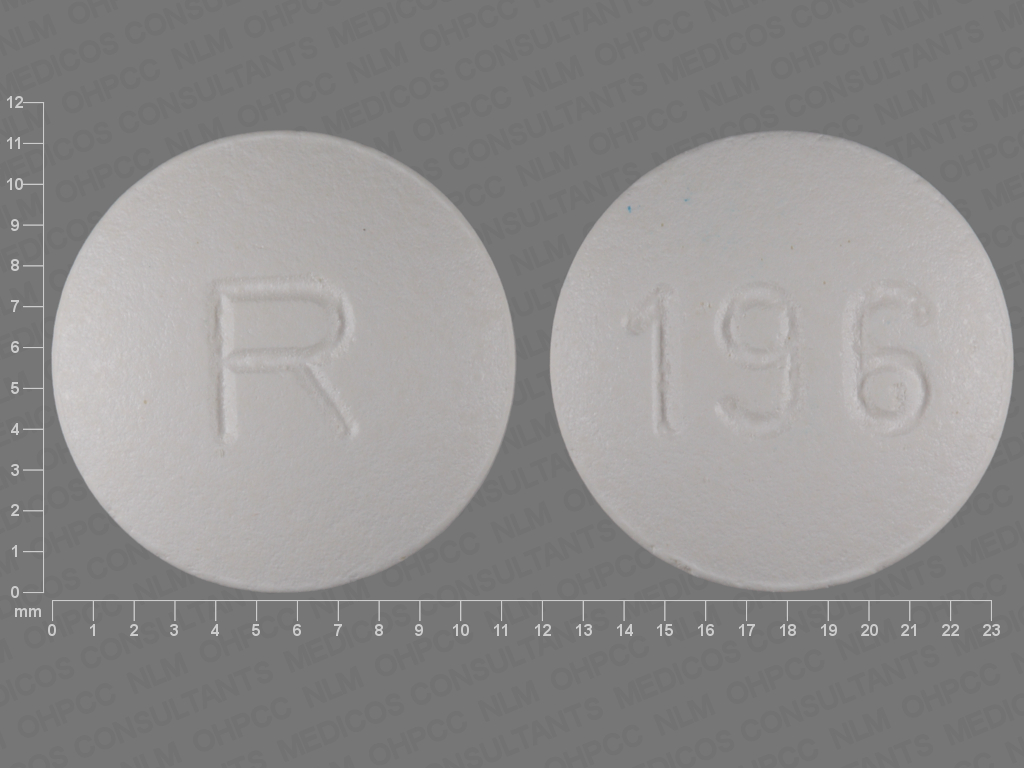
Showing 1–20 of 62
Related Conditions
⚠️ Disclaimer: Information is general and not medical advice. Consult your healthcare provider before starting, changing, or stopping any medication. Read full disclaimer.
Last reviewed: 2026-05-03