
Medications for Atrial Fibrillation
Atrial fibrillation (AFib) is the most common type of serious cardiac arrhythmia, in which the heart's upper chambers (the atria) beat chaotically and irregularly, out of coordination with the lower chambers (the ventricles). In a normal heartbeat, electrical signals follow an orderly path through the heart; in AFib, those signals fire rapidly and disorganized, causing the atria to quiver rather than contract effectively. AFib affects approximately 2.7–6.1 million people in the United States, and its prevalence increases with age — it is uncommon before age 50 but affects nearly 1 in 10 people aged 80 and older. Risk factors include high blood pressure, heart disease, obesity, diabetes, sleep apnea, excessive alcohol use, overactive thyroid, and advancing age. AFib may cause palpitations (a racing or fluttering heartbeat), shortness of breath, lightheadedness, fatigue, or chest discomfort — but some people have no symptoms at all (silent AFib).
The most dangerous complication of AFib is stroke: the chaotic beating allows blood to pool in the atria, forming clots that can travel to the brain. People with AFib have approximately five times the risk of stroke compared to those without the condition, and strokes caused by AFib tend to be more severe and disabling. AFib also raises the risk of heart failure over time if left untreated. Treatment has two primary goals — rate control (slowing the heart rate to a more normal level) and rhythm control (restoring and maintaining a normal rhythm) — plus stroke prevention with anticoagulation where indicated. Rate-controlling medications include beta-blockers and calcium channel blockers; rhythm-controlling antiarrhythmics include flecainide, propafenone, amiodarone, and sotalol; and anticoagulants (warfarin or the newer direct oral anticoagulants) are prescribed to reduce stroke risk. The medications listed below are among the most commonly prescribed for managing atrial fibrillation.
Medications
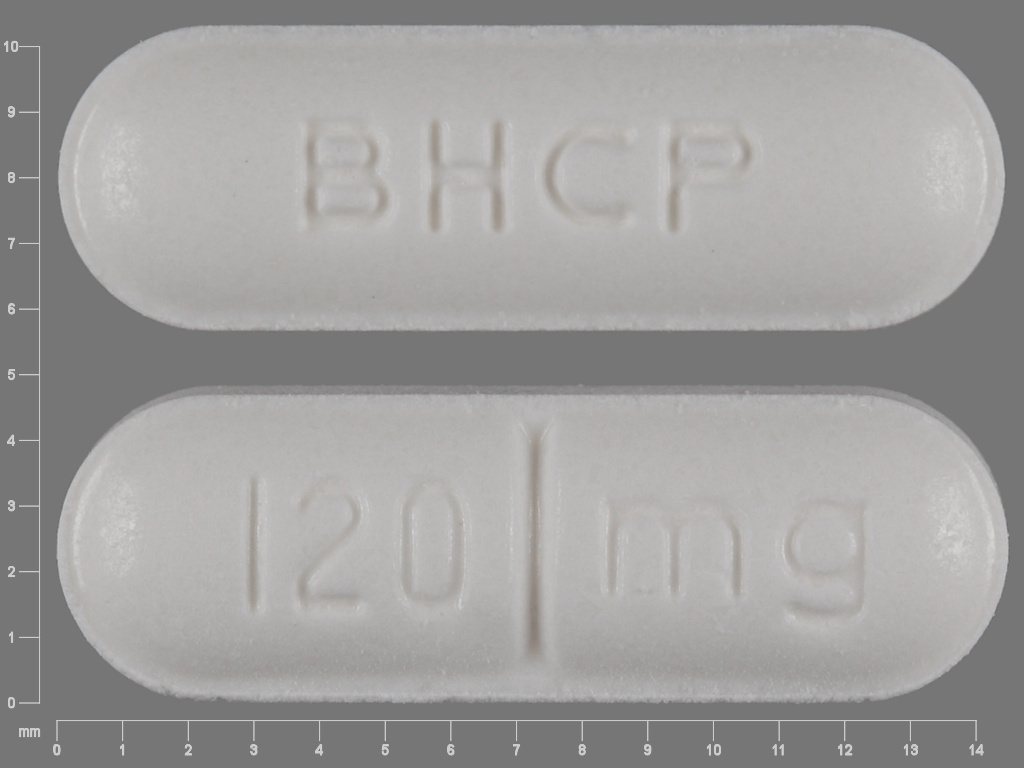
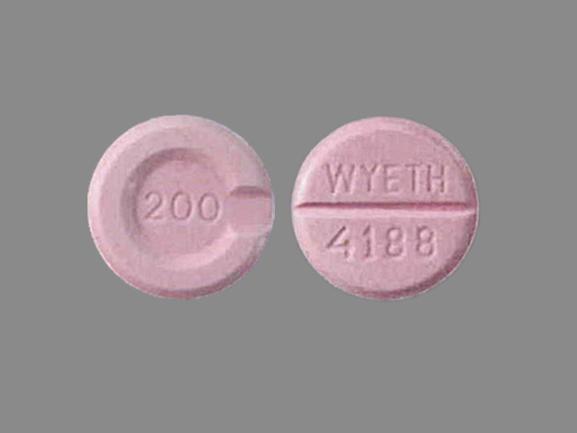
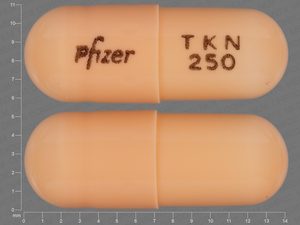
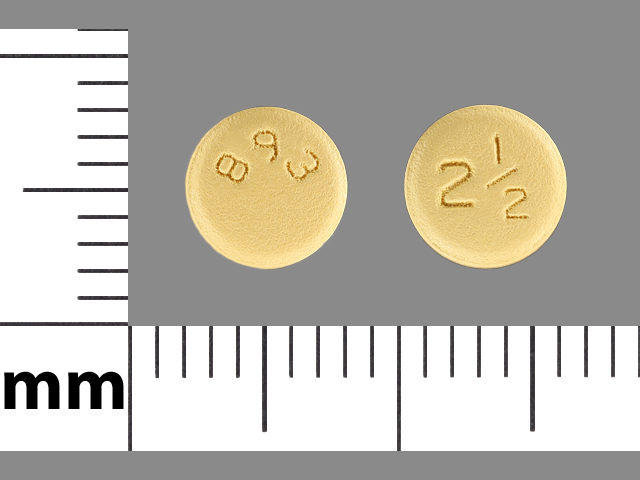
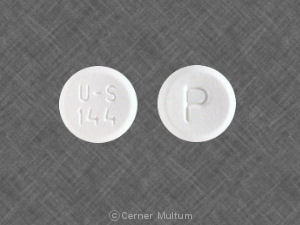
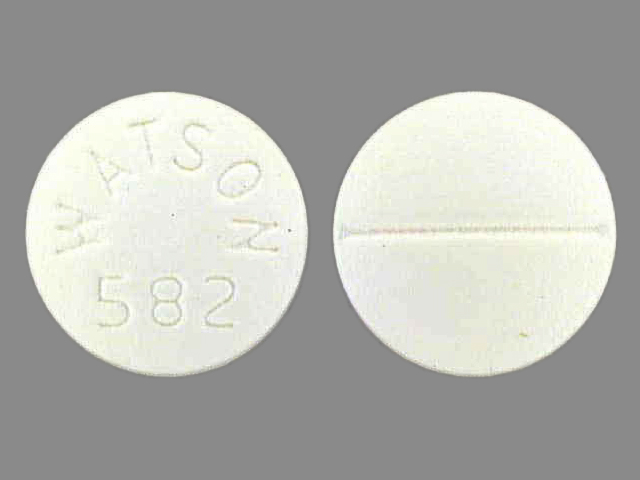
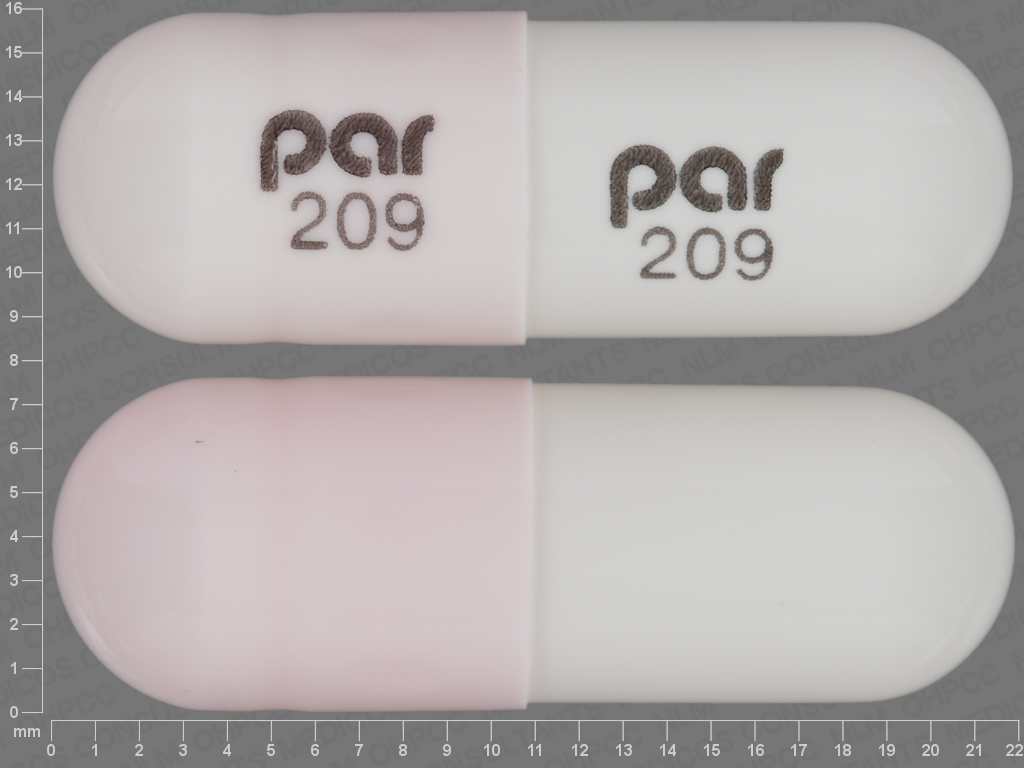
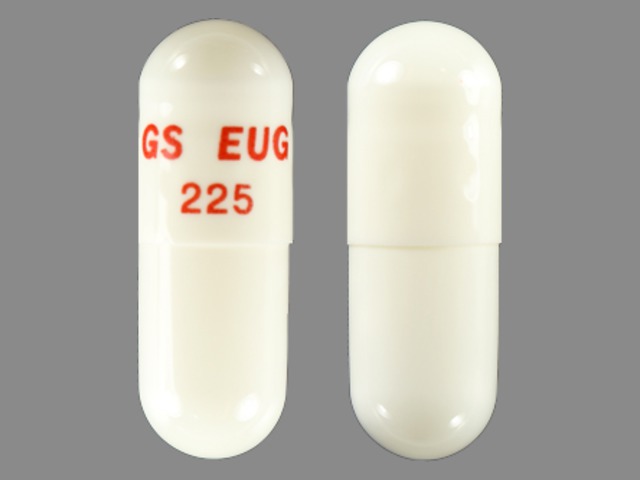
18 medications found for Medications for Atrial Fibrillation









Related Conditions
⚠️ Disclaimer: Information is general and not medical advice. Consult your healthcare provider before starting, changing, or stopping any medication. Read full disclaimer.
Last reviewed: 2026-05-03