
Medications for Thyroid Disease
Thyroid disease refers to a group of conditions that affect the thyroid gland — a butterfly-shaped gland in the neck that produces hormones (T3 and T4) regulating metabolism, energy, heart rate, body temperature, and more. The two most common thyroid problems are hypothyroidism (underactive thyroid, producing too little hormone) and hyperthyroidism (overactive thyroid, producing too much). Hypothyroidism is most often caused by Hashimoto's disease, an autoimmune condition that gradually destroys the gland, while hyperthyroidism is commonly caused by Graves' disease, also autoimmune, or by overactive thyroid nodules. Symptoms of hypothyroidism include fatigue, weight gain, cold sensitivity, constipation, dry skin, and depression; hyperthyroidism causes weight loss, rapid heartbeat, anxiety, heat intolerance, and tremors. Thyroid disease is more common in women and tends to run in families.
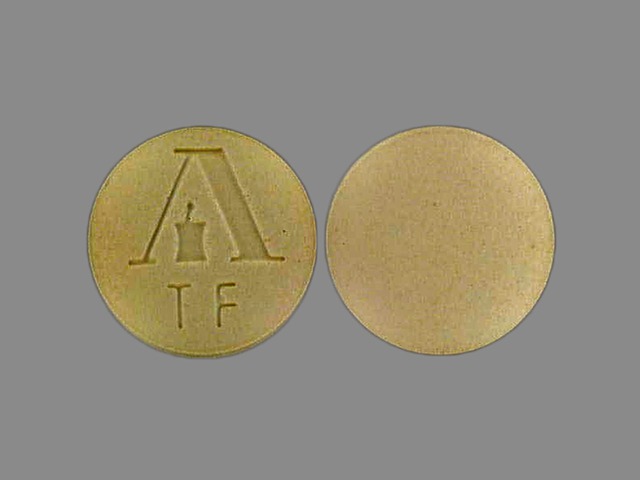
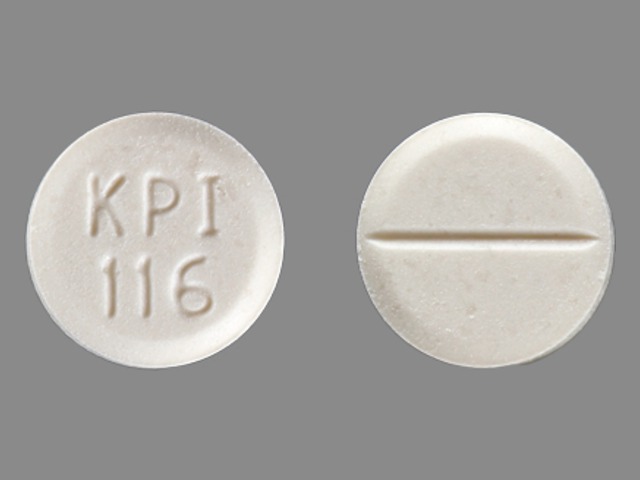
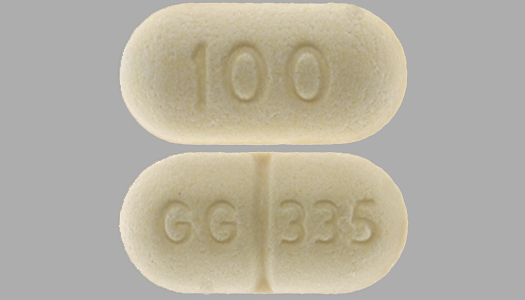
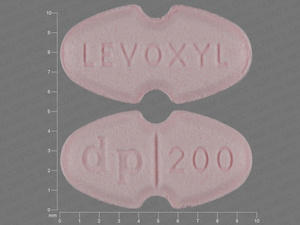
Untreated hypothyroidism can progress to a rare but serious condition called myxedema coma, while severe, untreated hyperthyroidism can trigger a thyroid storm — a life-threatening surge in hormone levels — as well as atrial fibrillation, heart failure, and bone loss (osteoporosis). Long-term imbalance of any kind can affect cardiovascular health, fertility, and pregnancy outcomes. Hypothyroidism is treated with levothyroxine, a synthetic thyroid hormone that replaces what the gland cannot produce. Hyperthyroidism is managed with antithyroid drugs (such as methimazole or propylthiouracil) that reduce hormone production, radioactive iodine therapy, or in some cases surgery. The medications listed below are among the most commonly prescribed for managing thyroid disease and restoring hormonal balance.
Medications
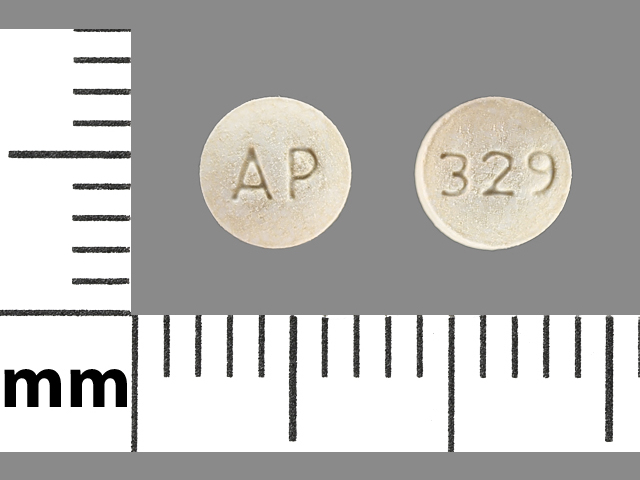
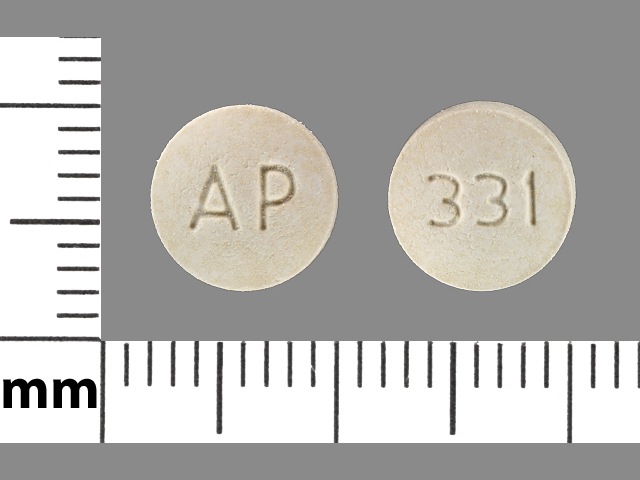
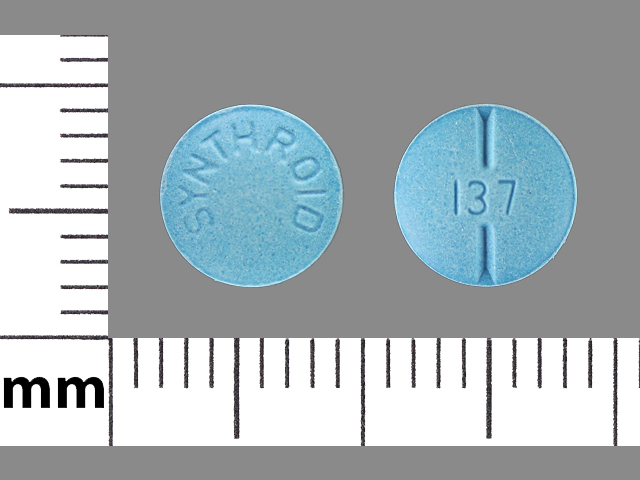
13 medications found for Medications for Thyroid Disease
Related Conditions
⚠️ Disclaimer: Information is general and not medical advice. Consult your healthcare provider before starting, changing, or stopping any medication. Read full disclaimer.
Last reviewed: 2026-05-03