Medications for Blood Clots
Blood clots (thrombi) form when blood solidifies into a gel-like mass inside a blood vessel — a normal protective response to injury, but potentially dangerous when clots form without a clear injury or fail to dissolve on their own. The most common serious types are deep vein thrombosis (DVT), a clot in a deep vein usually in the leg, and pulmonary embolism (PE), a clot that travels to the lungs. Risk factors include prolonged immobility (such as long flights or bed rest), surgery, cancer, pregnancy, hormonal contraceptives, obesity, and inherited clotting disorders such as Factor V Leiden. Symptoms of DVT include leg pain, swelling, warmth, and redness; a pulmonary embolism may cause sudden shortness of breath, chest pain, rapid heart rate, and coughing up blood. Clots in the brain or coronary arteries can cause stroke or heart attack.
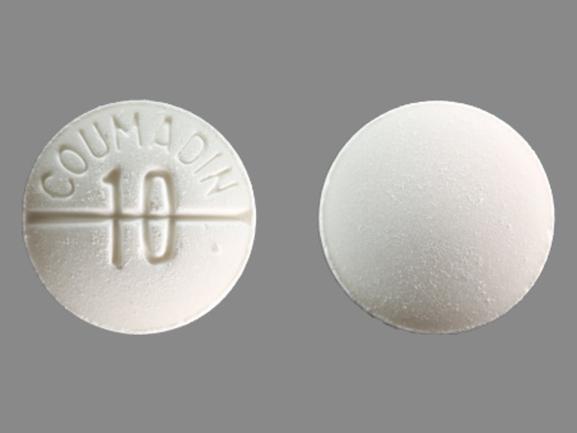
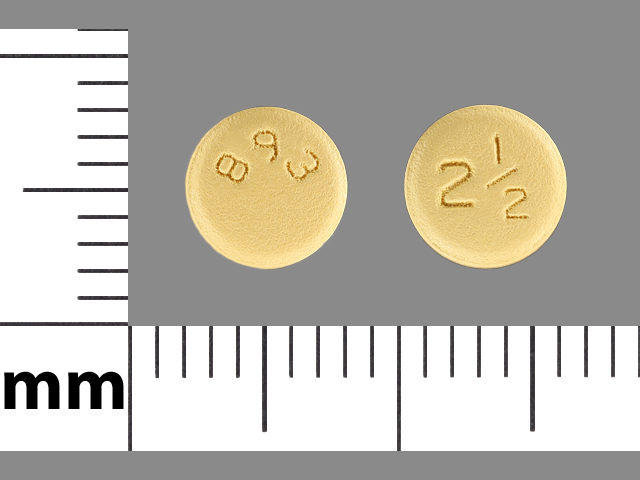
Untreated blood clots can be life-threatening — a large pulmonary embolism can block blood flow to the lungs entirely, causing sudden death. Long-term consequences include post-thrombotic syndrome (chronic pain and swelling in the affected limb) and an elevated risk of recurrent clotting events. Treatment focuses on preventing clots from growing, stopping new ones from forming, and allowing the body to dissolve existing clots over time. The main medication classes used are anticoagulants ("blood thinners"), including heparin for acute treatment, warfarin (a vitamin K antagonist) for long-term management, and direct oral anticoagulants (DOACs) such as rivaroxaban, apixaban, and dabigatran. The medications listed below are among the most commonly prescribed for treating and preventing dangerous blood clots.
Medications
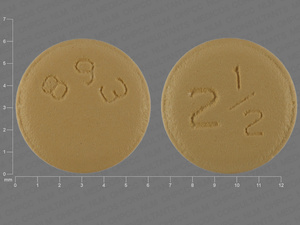
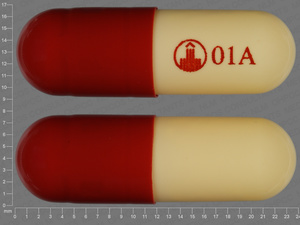
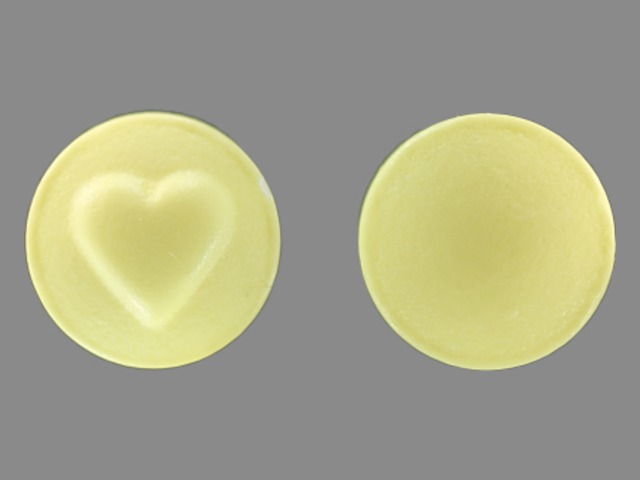
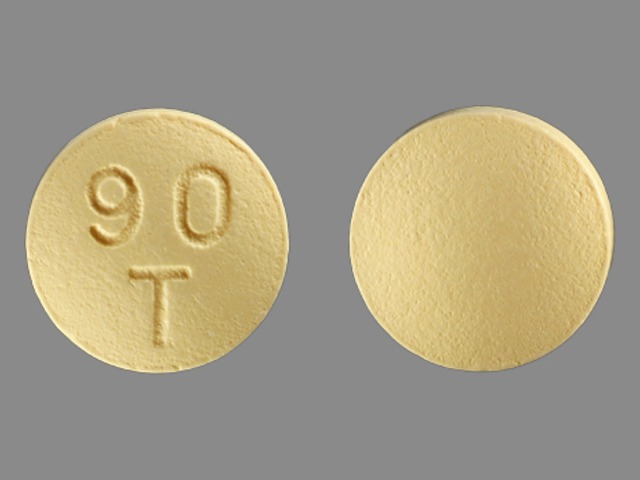
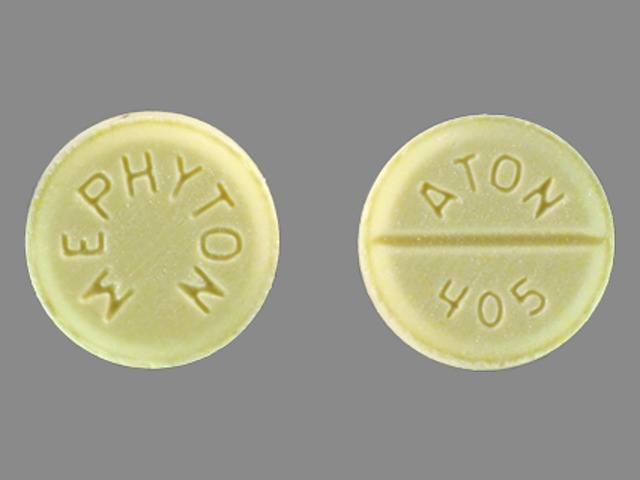
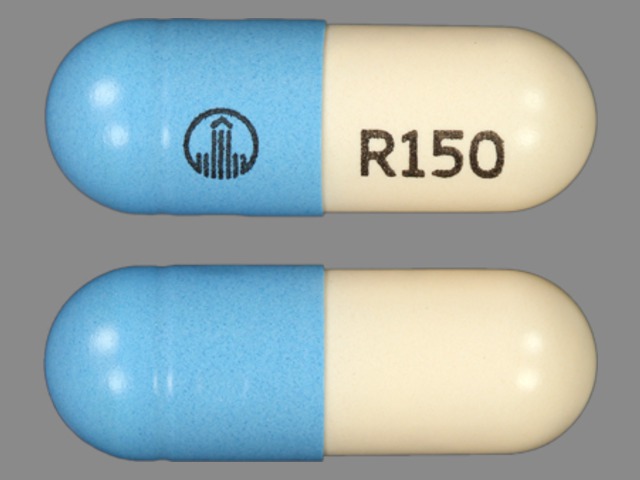
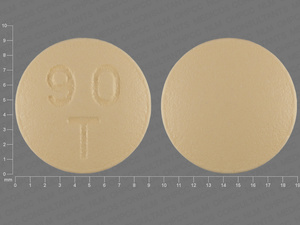
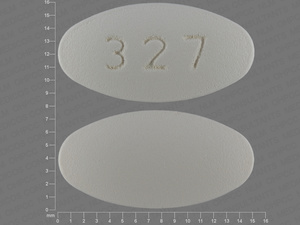
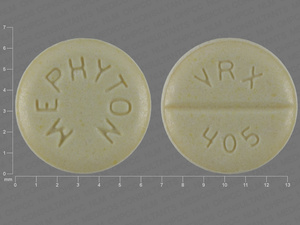
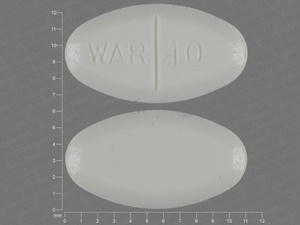
20 medications found for Medications for Blood Clots
Related Conditions
⚠️ Disclaimer: Information is general and not medical advice. Consult your healthcare provider before starting, changing, or stopping any medication. Read full disclaimer.
Last reviewed: 2026-05-03