
Medications for Hepatitis
Hepatitis is inflammation of the liver, most commonly caused by viral infection, though it can also result from alcohol use, toxins, medications, or autoimmune conditions. The major hepatitis viruses are hepatitis A (HAV), B (HBV), and C (HCV), each with different modes of transmission, disease course, and treatment. Hepatitis A spreads through contaminated food and water and almost always resolves on its own without becoming chronic. Hepatitis B is transmitted through blood, sexual contact, and from mother to child at birth, and can become chronic in some people, raising the risk of cirrhosis and liver cancer. Hepatitis C spreads primarily through blood (such as sharing needles) and is a leading cause of chronic liver disease, with most people who are acutely infected developing chronic hepatitis C.
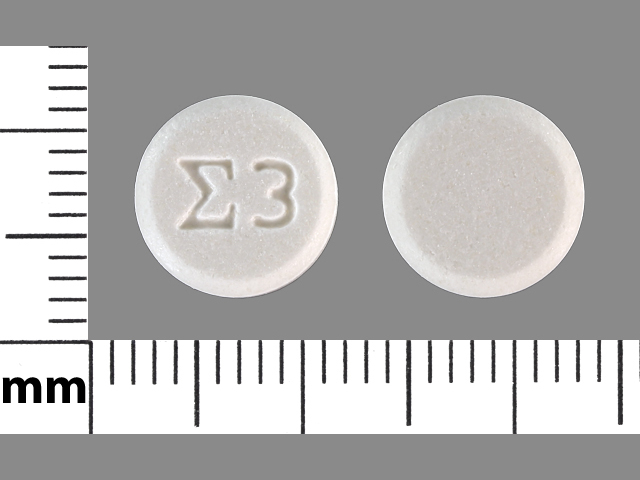
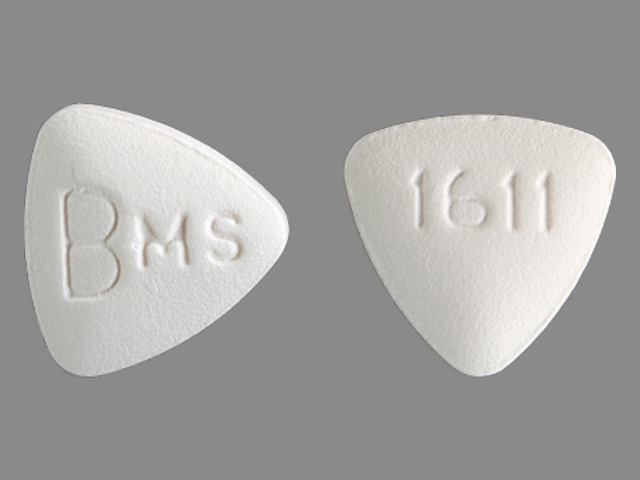
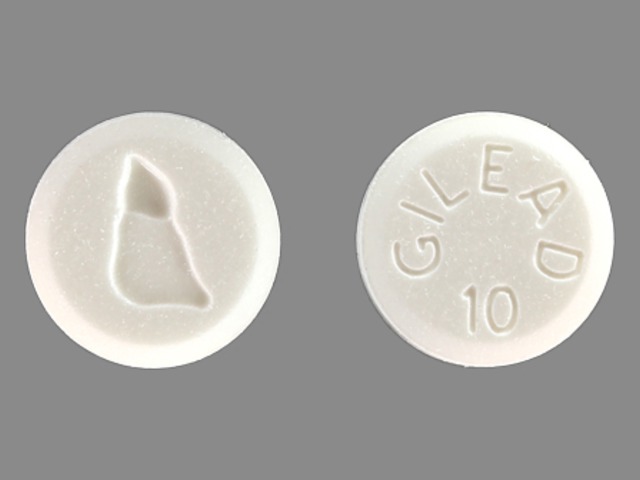
Chronic hepatitis B and C can silently progress to liver fibrosis, cirrhosis, liver failure, and hepatocellular carcinoma (liver cancer), often without noticeable symptoms until the disease is advanced. Hepatitis B has no cure but can be effectively managed: antiviral medications such as tenofovir and entecavir suppress the virus and prevent progression to cirrhosis and liver cancer. Hepatitis C is now curable in most people with direct-acting antivirals (DAAs) — oral medications that target the hepatitis C virus directly, with cure rates exceeding 95% in as little as 8–12 weeks of treatment. Hepatitis A and B are vaccine-preventable, which is the most effective long-term public health strategy for those viruses. The medications listed below are among the most commonly prescribed for treating hepatitis B and hepatitis C.
Medications
9 medications found for Medications for Hepatitis


Related Conditions
⚠️ Disclaimer: Information is general and not medical advice. Consult your healthcare provider before starting, changing, or stopping any medication. Read full disclaimer.
Last reviewed: 2026-05-03