
Medications for Insomnia
Insomnia is a sleep disorder characterized by difficulty falling asleep, staying asleep, or waking too early and being unable to return to sleep, resulting in unrefreshing sleep and daytime impairment such as fatigue, irritability, and difficulty concentrating. It is the most common sleep complaint and can be short-term (acute, often tied to stress or a major life event) or long-term (chronic, lasting at least three nights per week for three or more months). Common causes and contributing factors include stress, anxiety, depression, poor sleep habits, pain, certain medications, caffeine and alcohol, shift work, and underlying medical conditions. Approximately 30% of adults report symptoms of insomnia, and about 10% experience chronic insomnia that significantly impairs daytime functioning. Women and older adults are more likely to experience insomnia.
Chronic insomnia is associated with increased risk of depression, anxiety, cardiovascular disease, obesity, and diabetes, and can impair immune function and raise the risk of accidents. The recommended first-line treatment for chronic insomnia is cognitive behavioral therapy for insomnia (CBT-I), which addresses the thoughts and behaviors that perpetuate sleeplessness. When medication is needed, options include benzodiazepine receptor agonists (such as zolpidem and eszopiclone), which promote sleep onset and maintenance; melatonin receptor agonists (such as ramelteon), which help regulate the sleep-wake cycle; and orexin receptor antagonists (such as suvorexant and lemborexant), which block wake-promoting brain signals. The medications listed below are among the most commonly prescribed for managing insomnia.
Medications
38 medications found for Medications for Insomnia






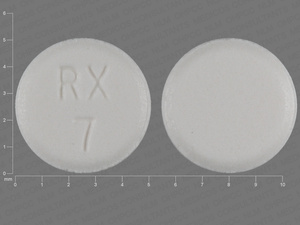

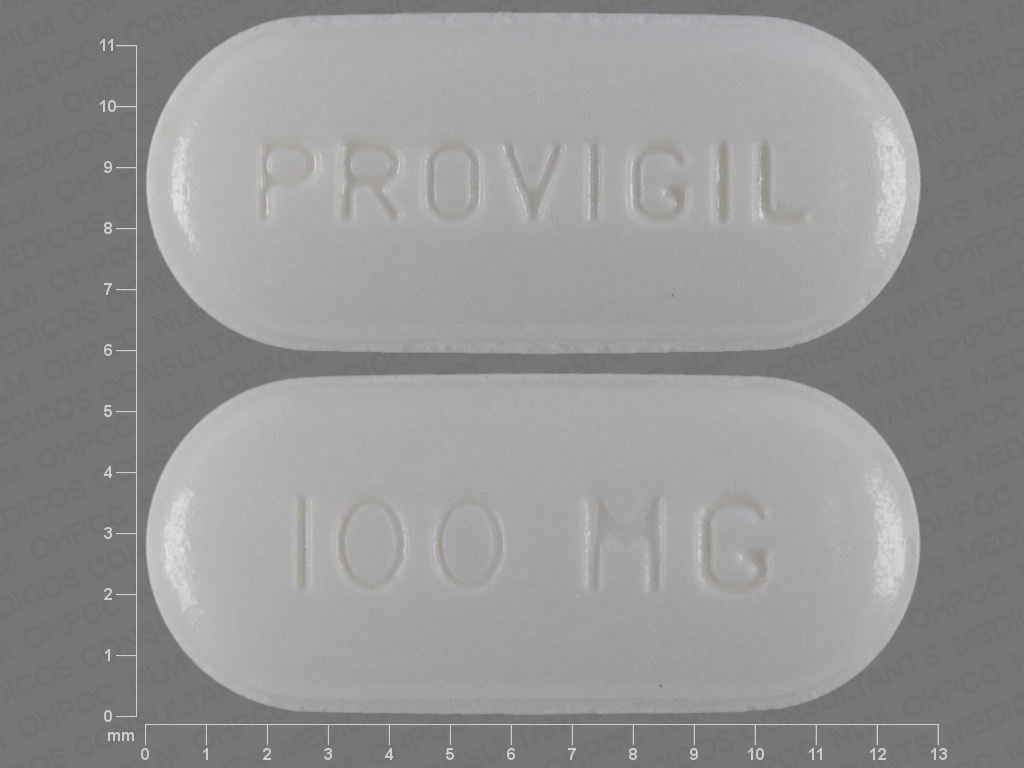

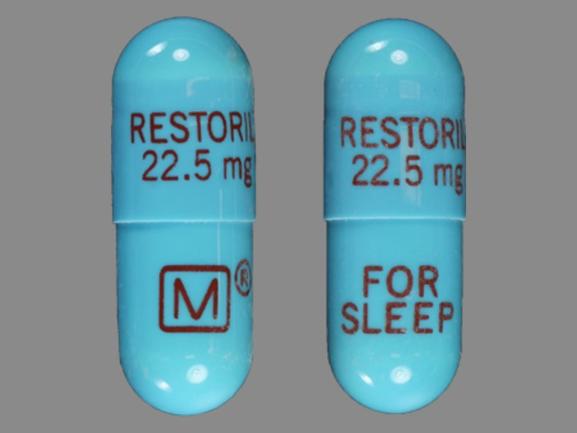


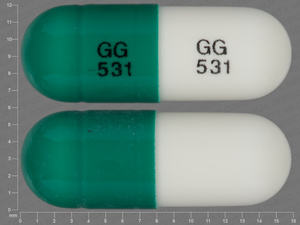



Showing 21–38 of 38
Related Conditions
⚠️ Disclaimer: Information is general and not medical advice. Consult your healthcare provider before starting, changing, or stopping any medication. Read full disclaimer.
Last reviewed: 2026-05-03