
Medications for Kidney Disease
Chronic kidney disease (CKD) is a condition in which the kidneys gradually lose their ability to filter waste products and excess fluid from the blood. The kidneys also regulate blood pressure, stimulate red blood cell production, and maintain the balance of minerals in the body — so when they begin to fail, multiple systems are affected. The leading causes of CKD are diabetes and high blood pressure, together accounting for more than two-thirds of all cases. Early kidney disease often has no symptoms; as it progresses, people may notice swelling in the legs or ankles, fatigue, decreased urine output, difficulty concentrating, and nausea. CKD affects an estimated 37 million adults in the United States, many of whom are unaware they have it.
If untreated or poorly managed, CKD progresses to end-stage kidney disease (ESKD), requiring dialysis or a kidney transplant to sustain life. Kidney disease also significantly raises the risk of cardiovascular disease and stroke. Treatment focuses on slowing the progression of kidney damage and managing complications: ACE inhibitors and ARBs lower blood pressure and reduce pressure within the kidney's filtering units, protecting kidney function; SGLT2 inhibitors have been shown to slow CKD progression in people with and without diabetes; diuretics help manage fluid retention; and erythropoiesis-stimulating agents may be used to treat anemia of chronic kidney disease. The medications listed below are among the most commonly prescribed for managing kidney disease and its complications.
Medications
25 medications found for Medications for Kidney Disease
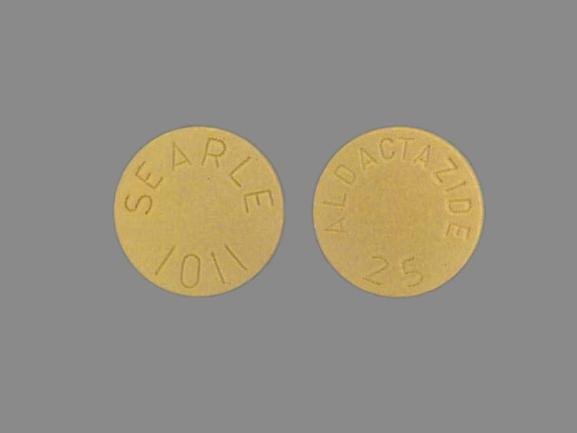
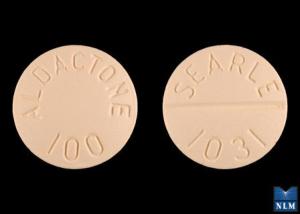

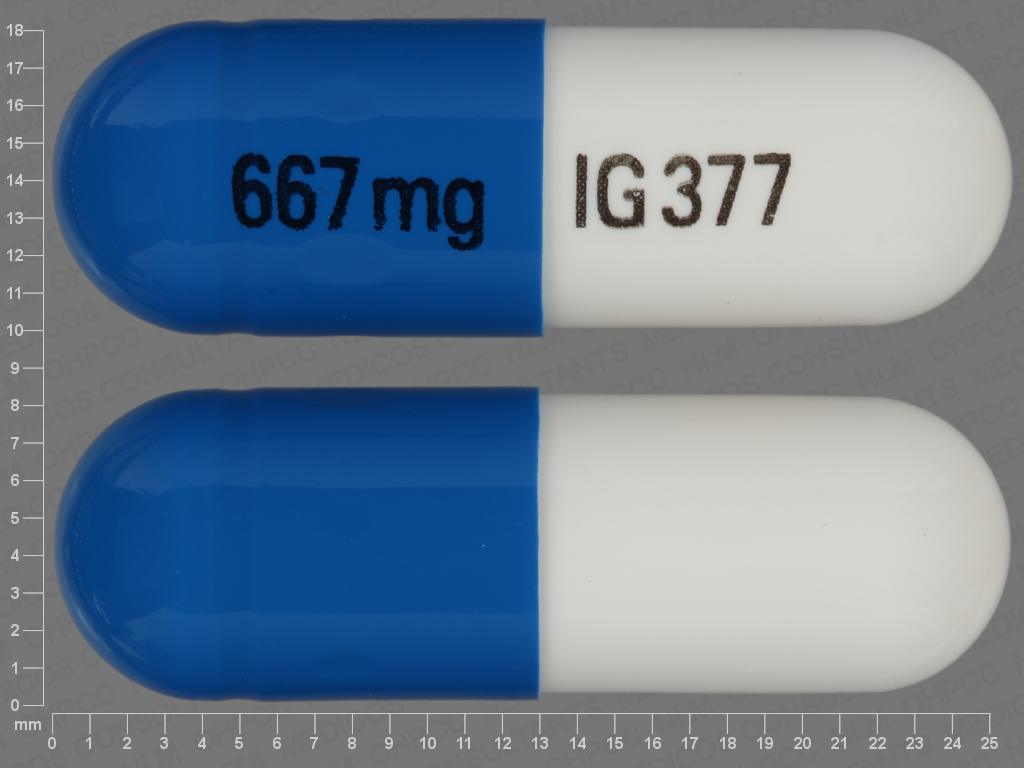

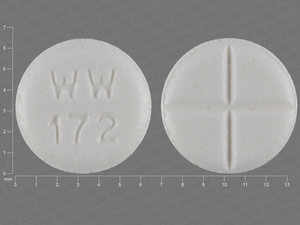
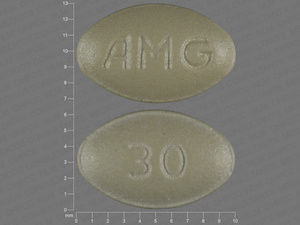

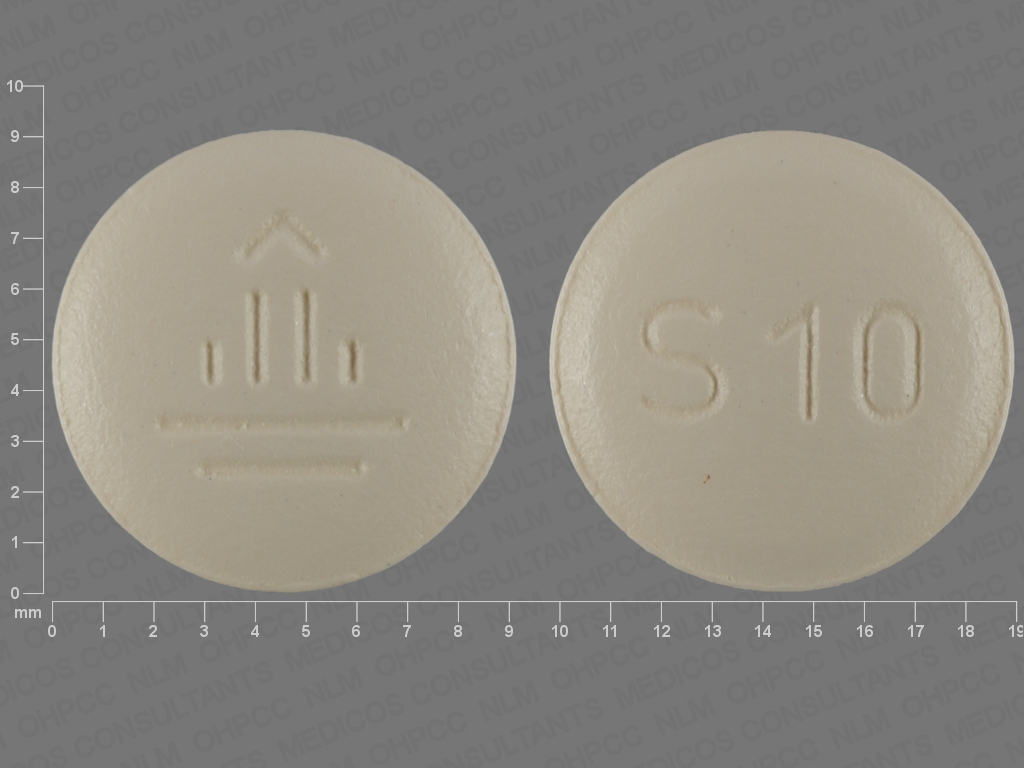
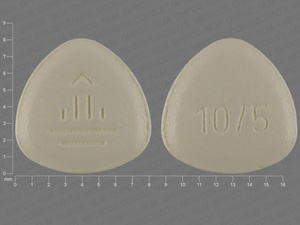
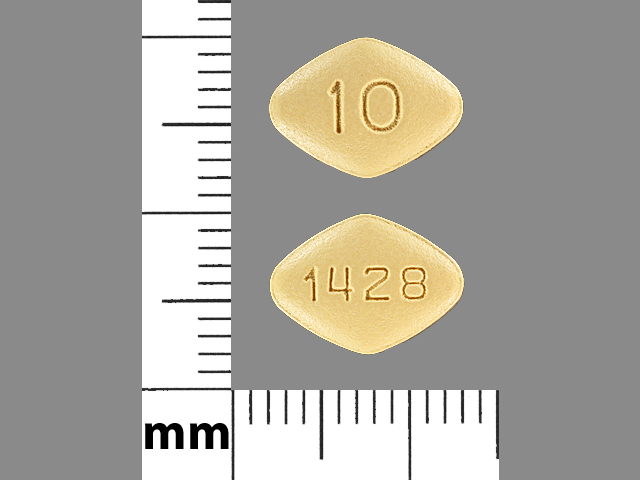
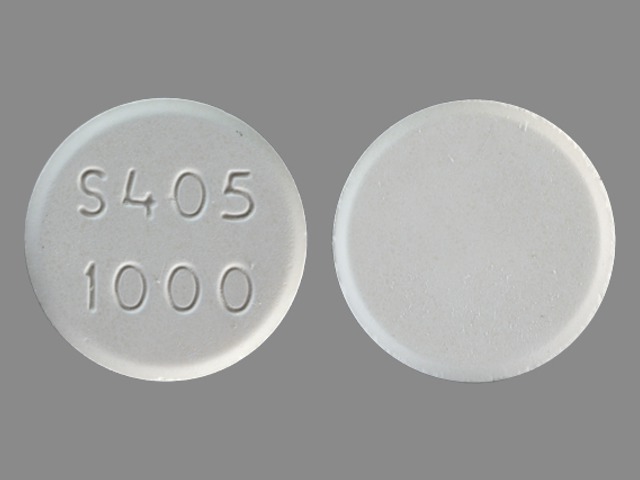
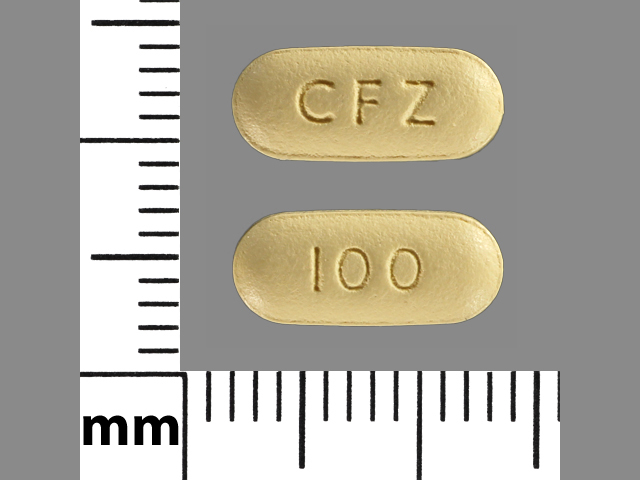
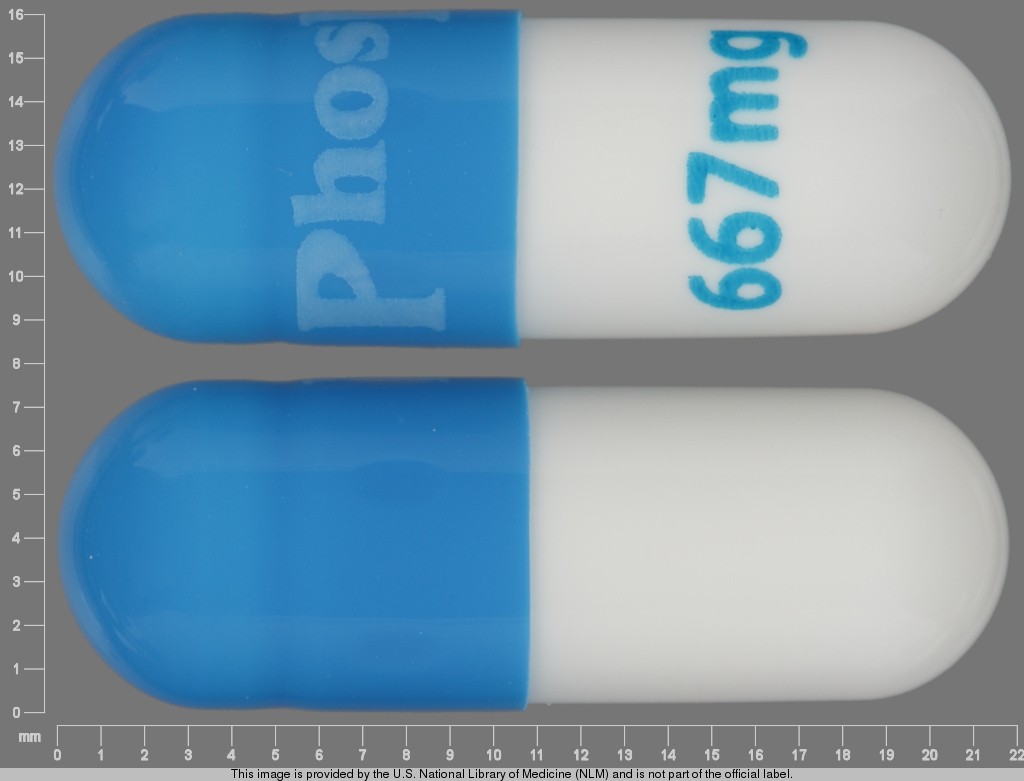
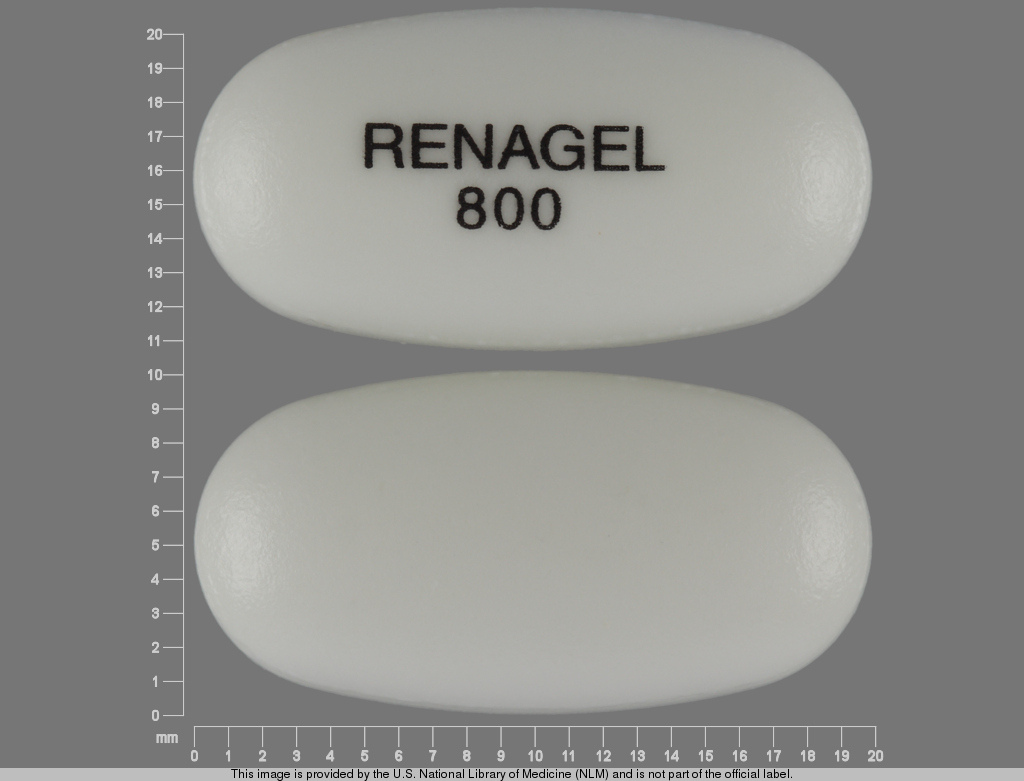
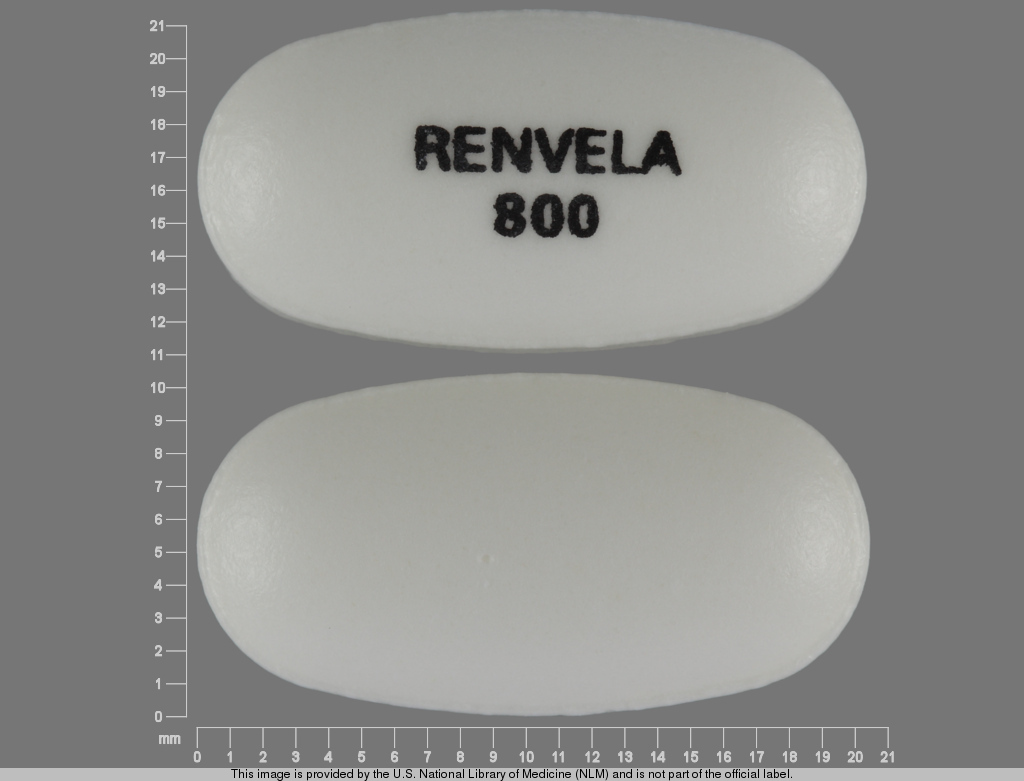
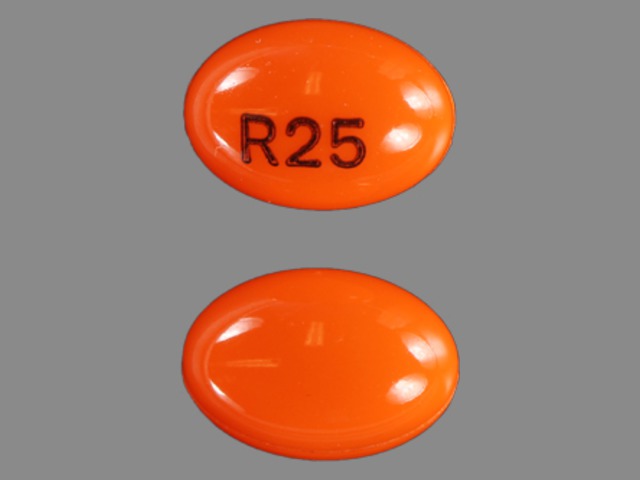
Showing 1–20 of 25
Related Conditions
⚠️ Disclaimer: Information is general and not medical advice. Consult your healthcare provider before starting, changing, or stopping any medication. Read full disclaimer.
Last reviewed: 2026-05-03