
Medications for Parkinson's Disease
Parkinson's disease is a progressive neurological disorder that occurs when neurons in a region of the brain called the substantia nigra gradually stop working or die, leading to a decrease in dopamine — a chemical messenger that coordinates smooth, controlled movement. It is the second most common neurodegenerative disease, affecting approximately 1 million people in the United States, with risk increasing significantly after age 60. While the exact cause is not fully understood, both genetic and environmental factors (such as exposure to certain pesticides or toxins) are thought to contribute, and most cases are not directly inherited. The hallmark motor symptoms — known as the cardinal features — are resting tremor (shaking at rest), muscle rigidity, bradykinesia (slowness of movement), and postural instability (balance problems). Non-motor symptoms including depression, anxiety, sleep disturbances, constipation, and loss of smell are also common and can sometimes precede motor symptoms by years.
As Parkinson's disease progresses, symptoms worsen over time, and later stages can involve difficulty walking, frequent falls, swallowing problems, and in many patients, cognitive decline or dementia. There is currently no cure, but treatment can significantly reduce symptoms and improve quality of life. The main treatment approach uses medications that restore or mimic dopamine in the brain: levodopa (usually combined with carbidopa to improve its effectiveness) remains the gold-standard treatment; dopamine agonists (such as pramipexole and ropinirole) stimulate dopamine receptors directly; MAO-B inhibitors (such as selegiline and rasagiline) slow the breakdown of dopamine; and COMT inhibitors prolong the effect of levodopa. Physical therapy, speech therapy, and in some cases deep brain stimulation (DBS) surgery also play important roles. The medications listed below are among the most commonly prescribed for managing Parkinson's disease.
Medications
37 medications found for Medications for Parkinson's Disease
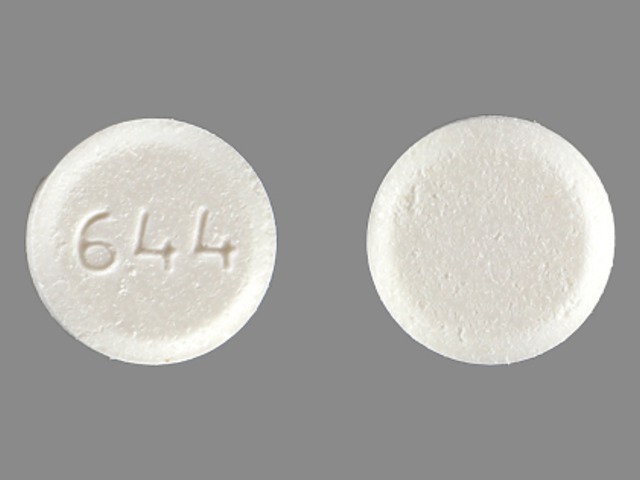
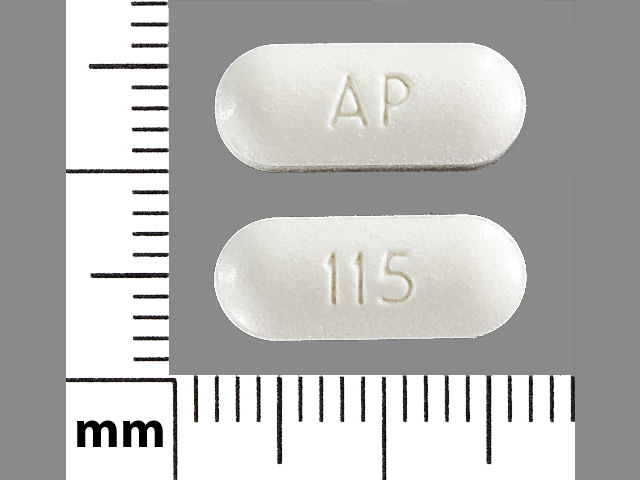
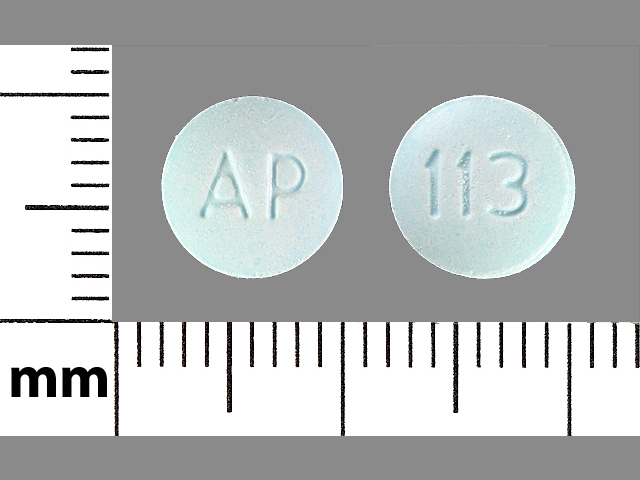
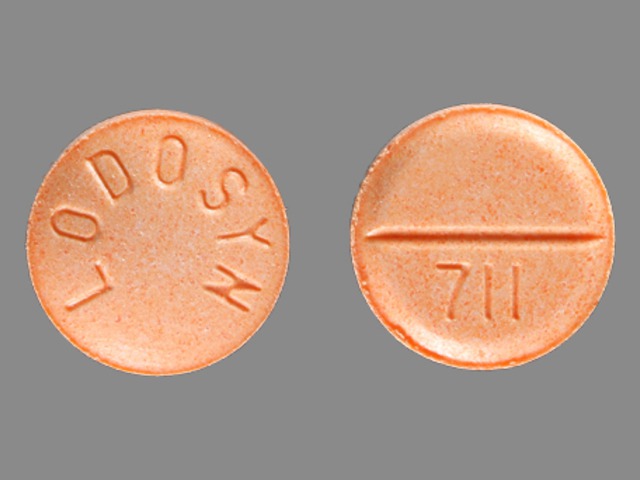
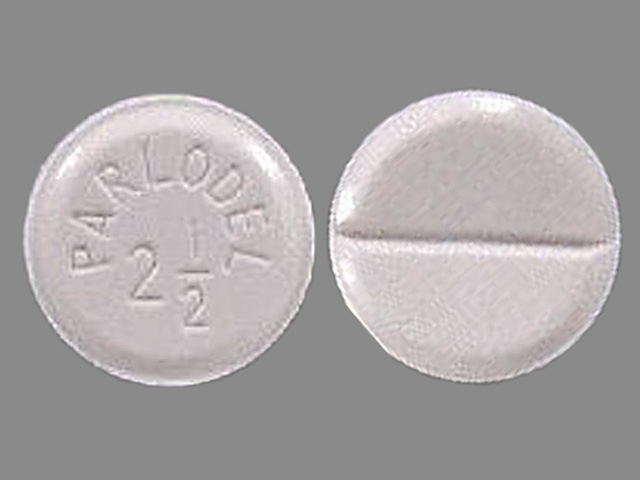
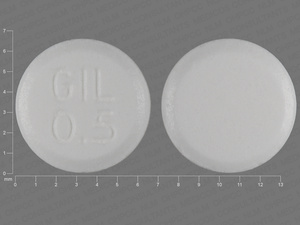
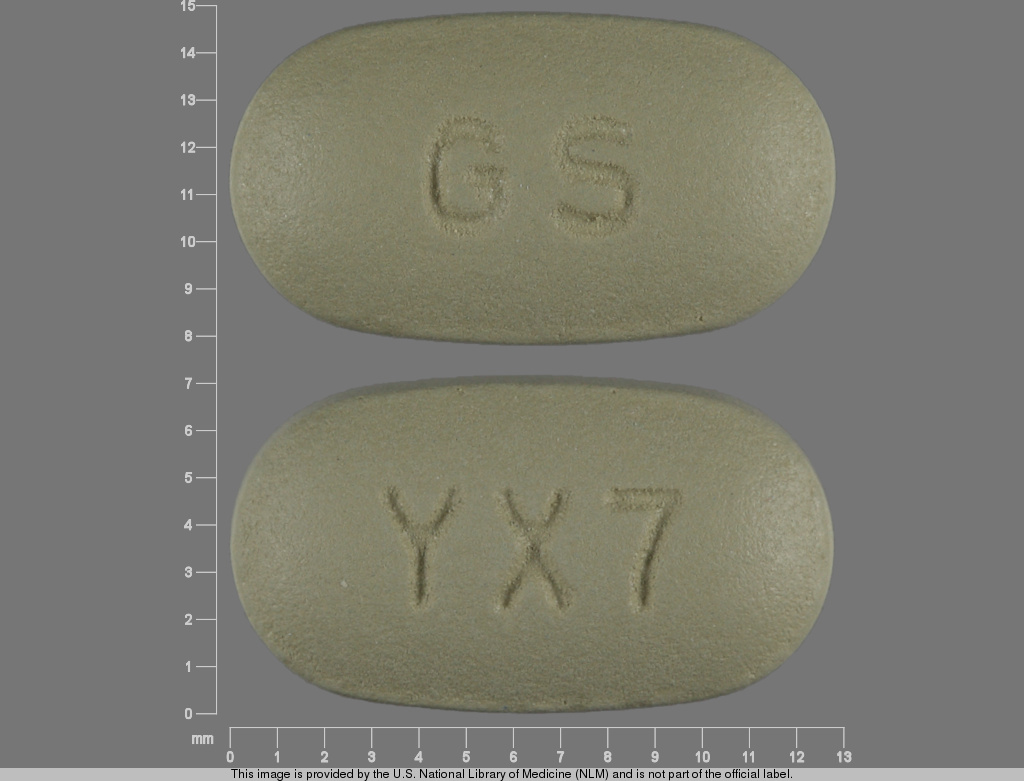
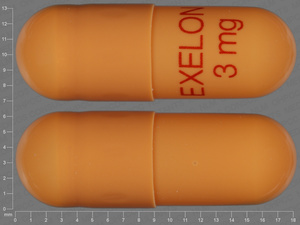
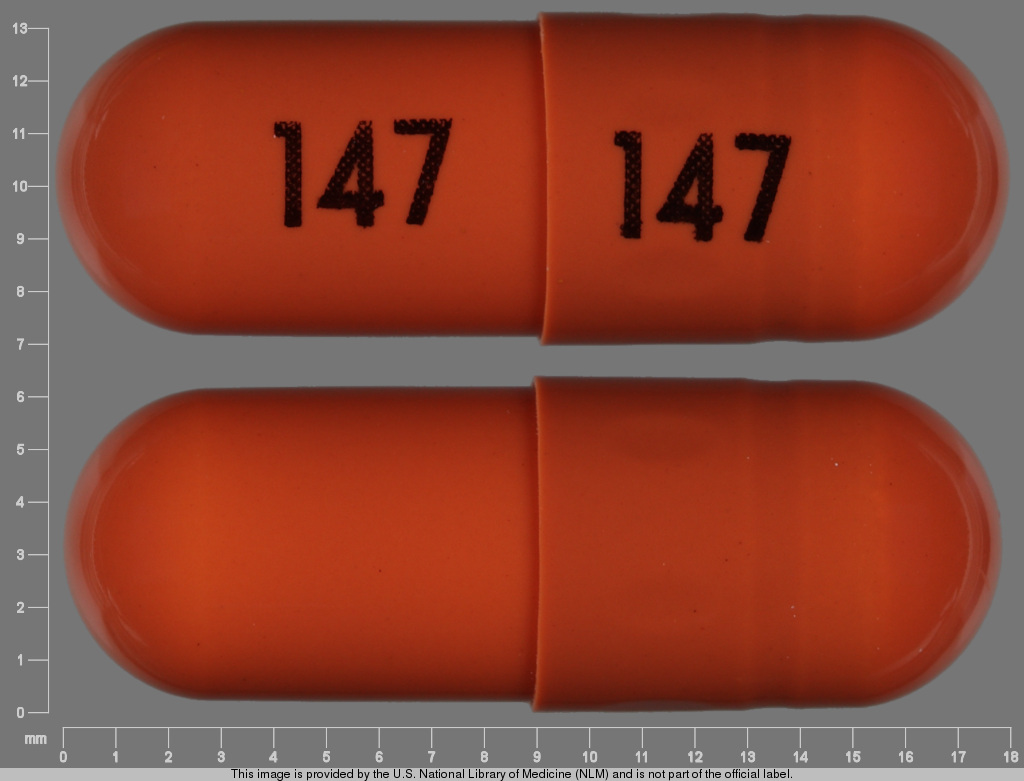
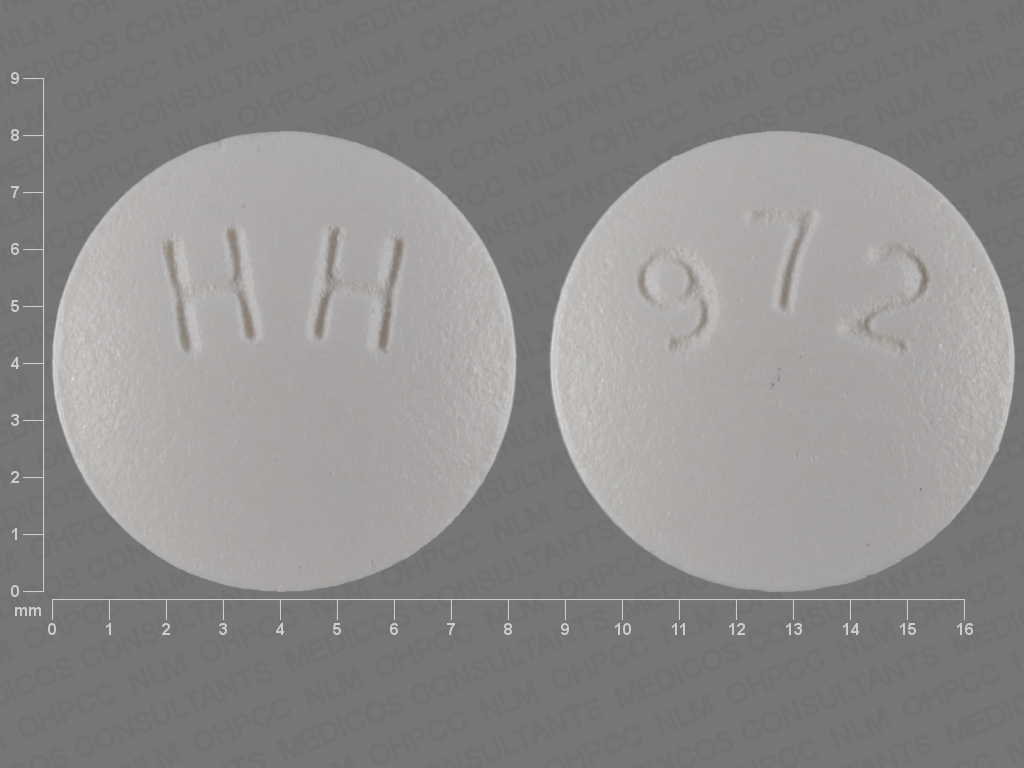
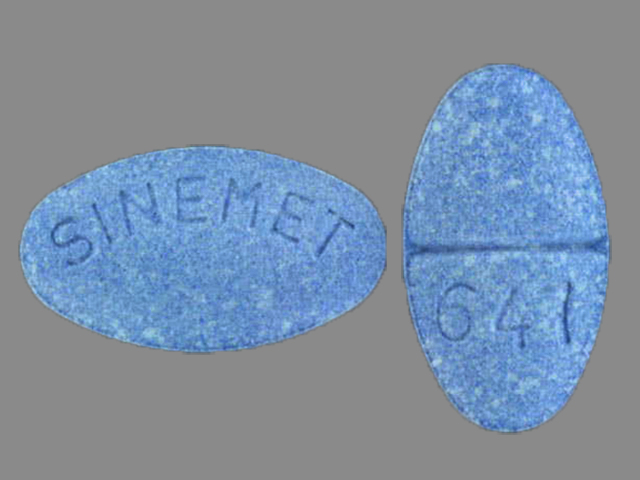
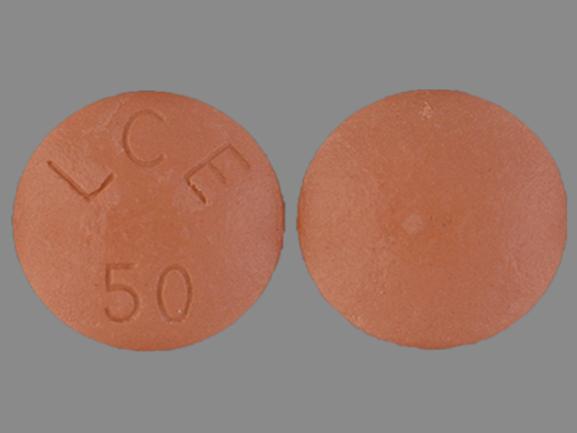
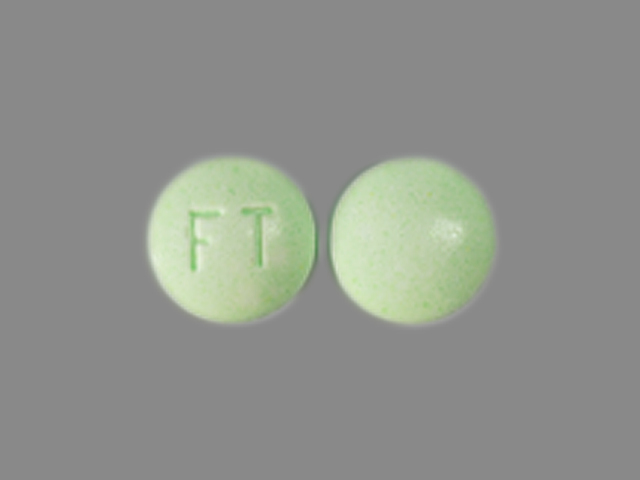
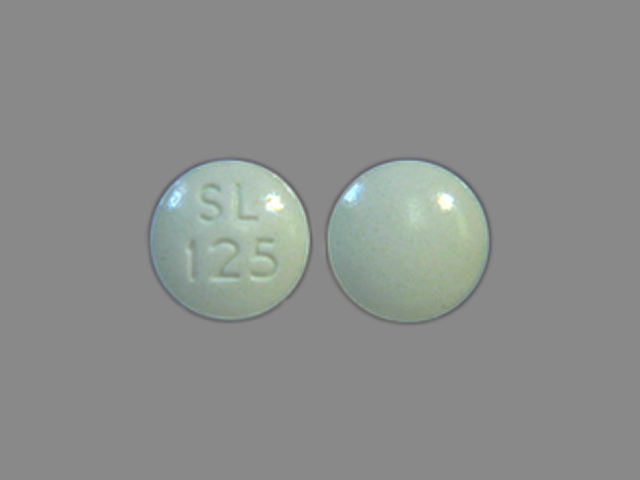
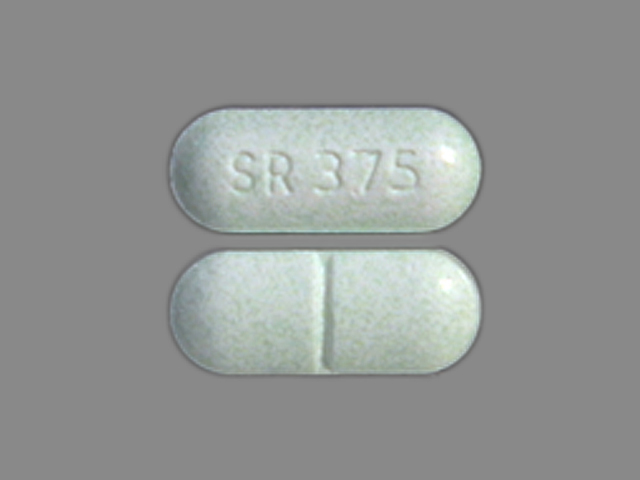
Showing 21–37 of 37
Related Conditions
⚠️ Disclaimer: Information is general and not medical advice. Consult your healthcare provider before starting, changing, or stopping any medication. Read full disclaimer.
Last reviewed: 2026-05-03