
Medications for Heart Failure
Heart failure — also called congestive heart failure — is a chronic condition in which the heart muscle becomes too weak or too stiff to pump blood efficiently enough to meet the body's needs. It is not that the heart suddenly stops, but rather that it cannot pump with sufficient force or fill properly, leading to a buildup of fluid in the lungs and other parts of the body. The most common causes are coronary artery disease (which can damage the heart muscle after a heart attack), high blood pressure, and cardiomyopathy (disease of the heart muscle). Heart failure affects approximately 6 million adults in the United States and is a leading cause of hospitalization in people over age 65. Common symptoms include shortness of breath (especially with exertion or lying flat), fatigue, leg and ankle swelling, rapid or irregular heartbeat, and a persistent cough or wheezing.
Heart failure is a progressive condition that, without proper management, leads to worsening symptoms, frequent hospitalizations, and reduced life expectancy. It significantly limits physical activity and quality of life, and is associated with other complications including kidney disease, arrhythmias, and sudden cardiac death. Treatment has advanced significantly, and several drug classes are proven to reduce mortality: ACE inhibitors and ARBs reduce the heart's workload by relaxing blood vessels; beta-blockers slow heart rate and reduce harmful neurohormonal activation; mineralocorticoid receptor antagonists (aldosterone antagonists) reduce fluid retention and improve outcomes; and SGLT2 inhibitors have emerged as a major advance, shown to reduce hospitalizations and death in heart failure. Diuretics relieve congestion and improve symptoms. The medications listed below are among the most commonly prescribed for managing heart failure.
Medications
25 medications found for Medications for Heart Failure
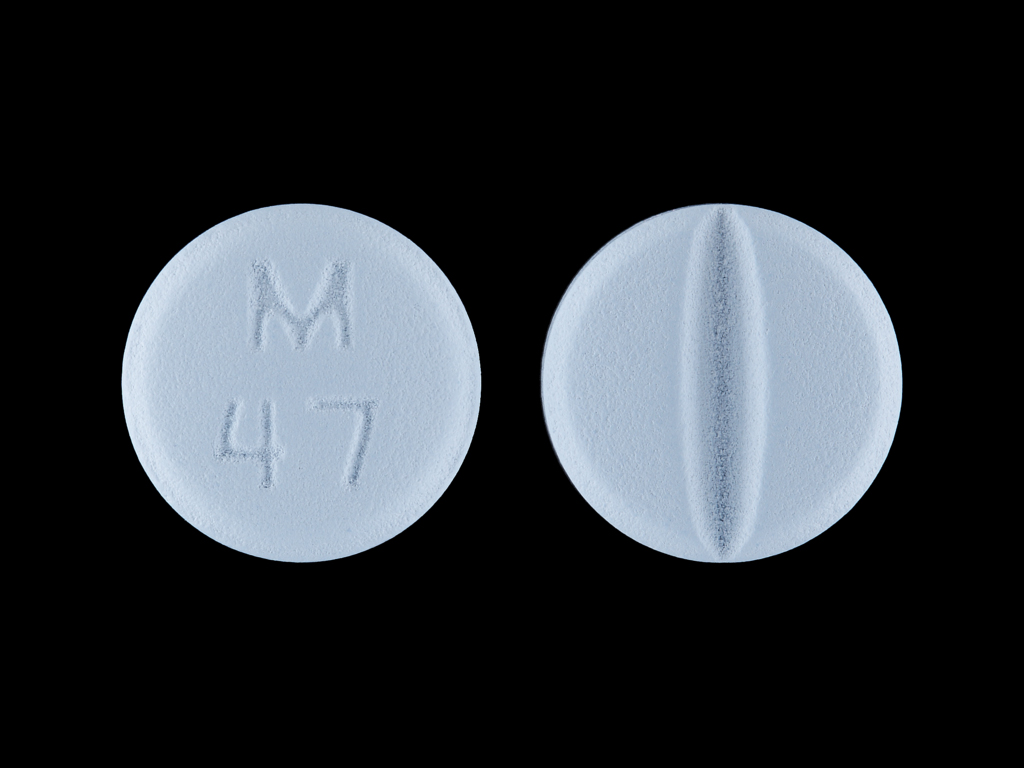
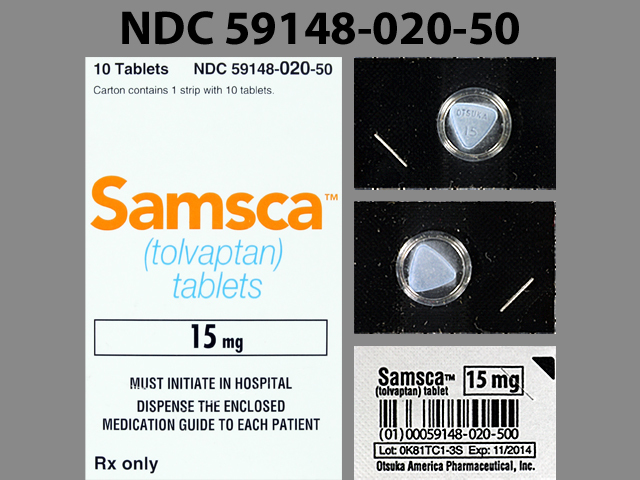
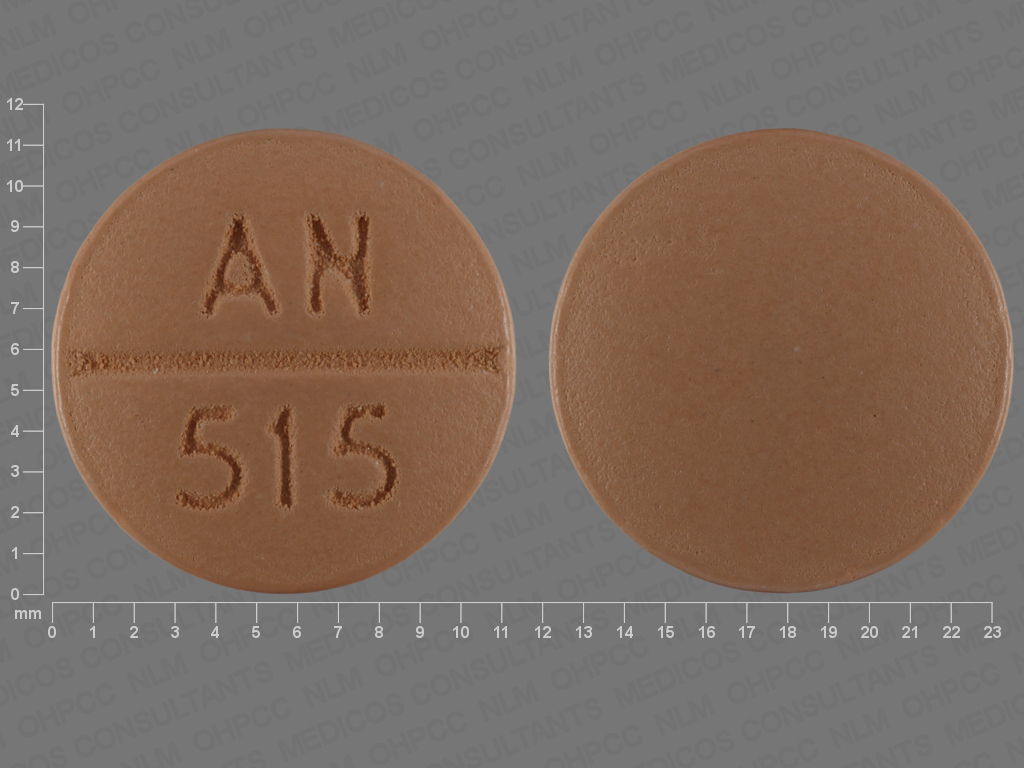
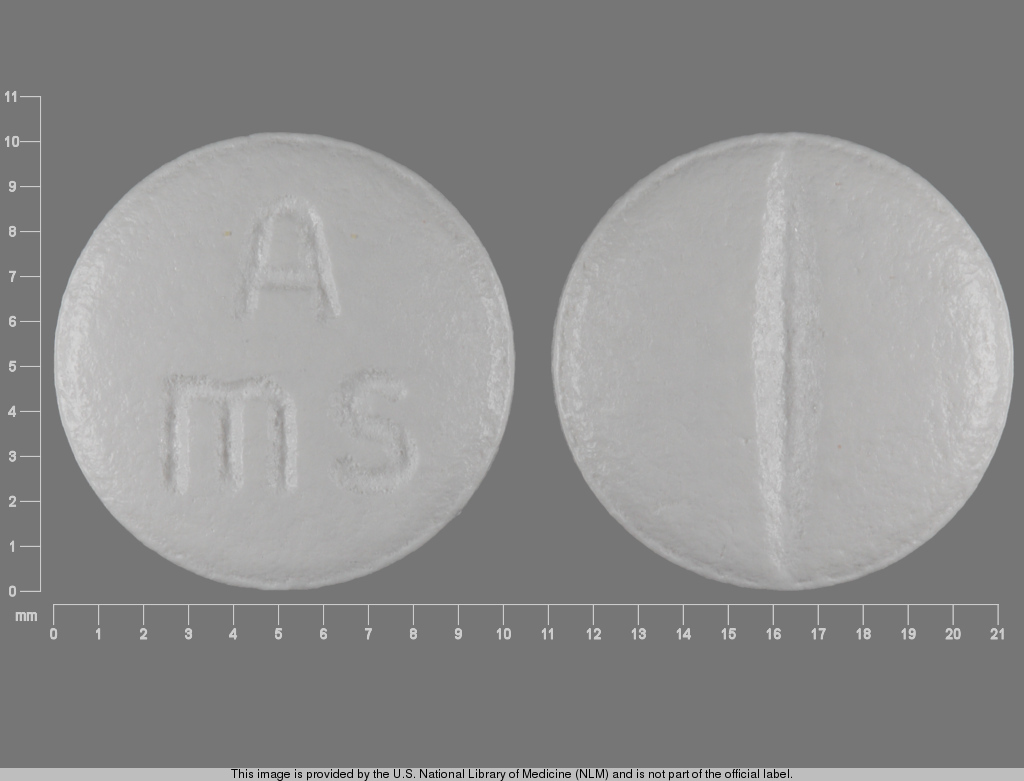
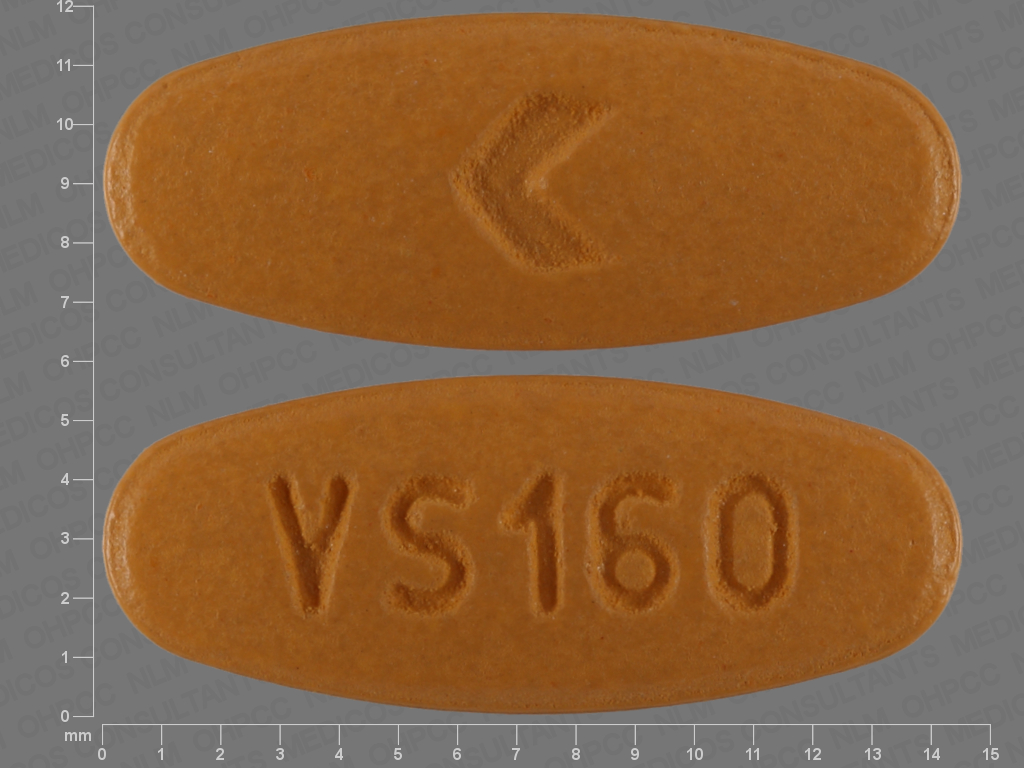
Showing 21–25 of 25
Related Conditions
⚠️ Disclaimer: Information is general and not medical advice. Consult your healthcare provider before starting, changing, or stopping any medication. Read full disclaimer.
Last reviewed: 2026-05-03