Medications for Stroke
A stroke occurs when blood flow to a part of the brain is suddenly interrupted, either by a blocked artery (ischemic stroke, the most common type, accounting for about 87% of all strokes) or a ruptured blood vessel (hemorrhagic stroke). Ischemic strokes are usually caused by blood clots that form in the arteries supplying the brain or travel there from the heart or another artery. Risk factors include high blood pressure, atrial fibrillation, smoking, diabetes, high cholesterol, obesity, and physical inactivity. Common warning signs include sudden numbness or weakness (especially on one side of the body), sudden confusion or trouble speaking, vision problems, severe headache, and difficulty walking or maintaining balance. The FAST acronym — Face drooping, Arm weakness, Speech difficulty, Time to call emergency services — helps people recognize a stroke quickly.
A stroke can cause lasting disability including paralysis, speech problems, memory loss, and difficulty swallowing, depending on which area of the brain is affected. The longer treatment is delayed, the more brain tissue is lost, making rapid response critical. For ischemic stroke, the main acute treatment is tPA (tissue plasminogen activator), a clot-dissolving medication given within a narrow time window. Long-term prevention focuses on controlling underlying risk factors: antiplatelet drugs (such as aspirin or clopidogrel) or anticoagulants reduce the risk of future clots, while antihypertensives, statins, and diabetes medications address contributing conditions. The medications listed below are among the most commonly prescribed to prevent stroke or reduce the risk of a second event.
Medications
34 medications found for Medications for Stroke
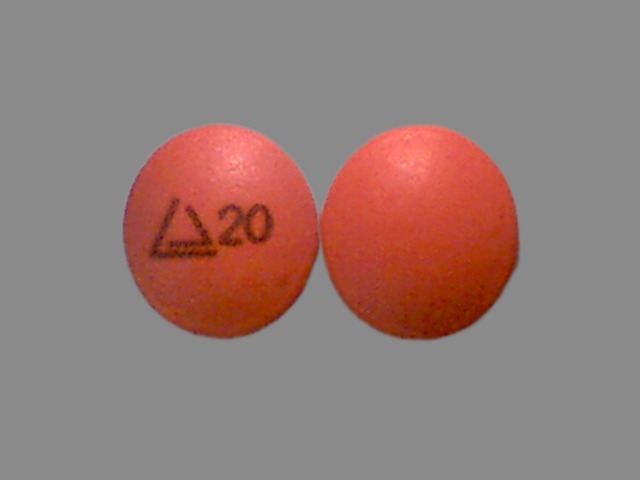
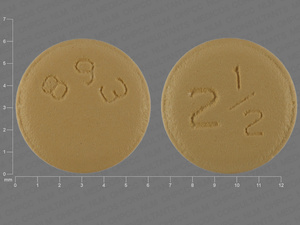
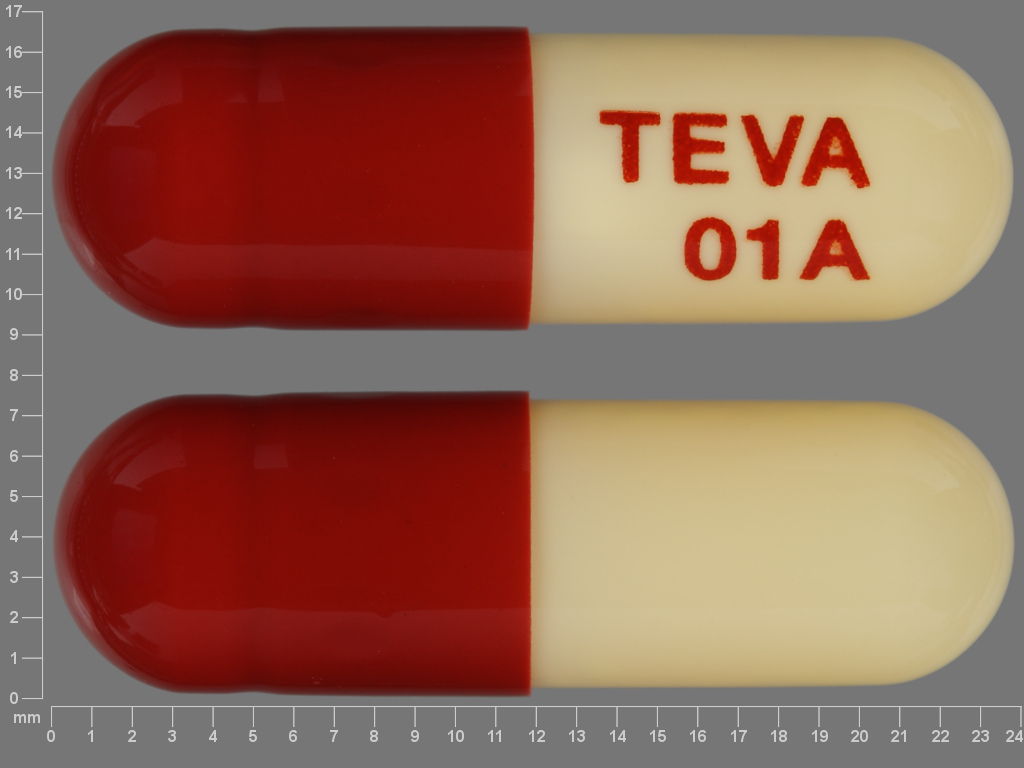
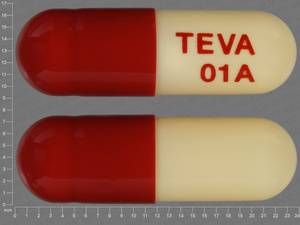
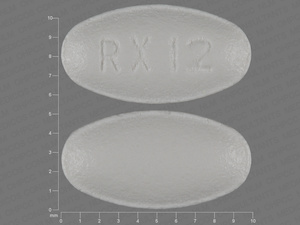
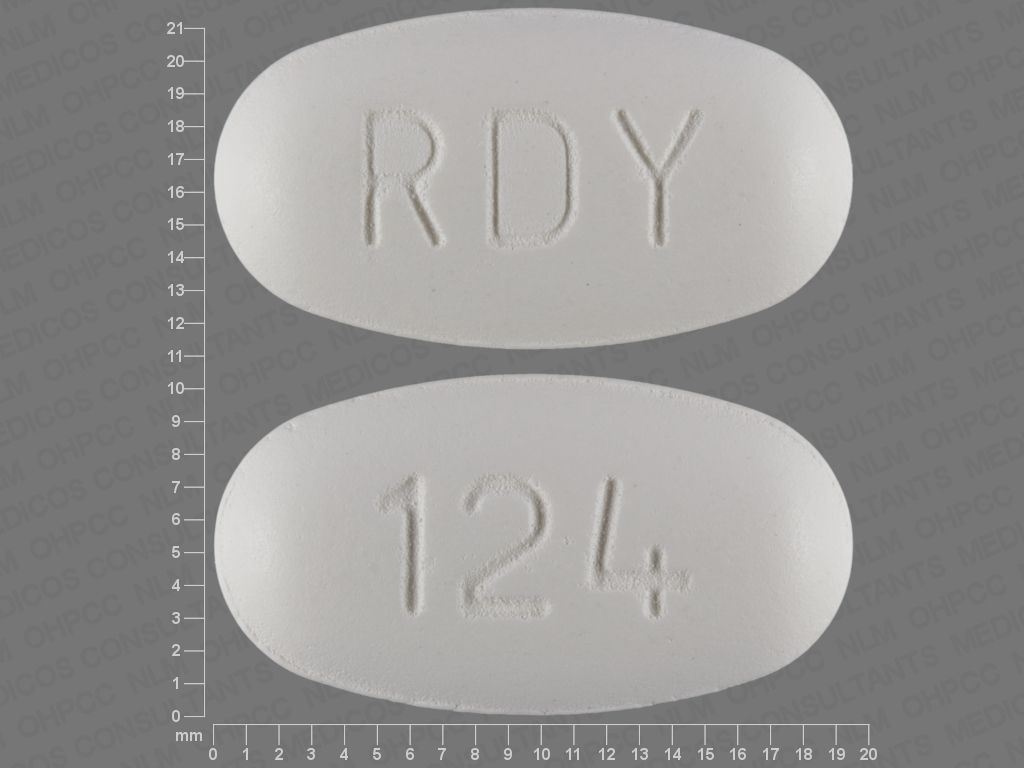
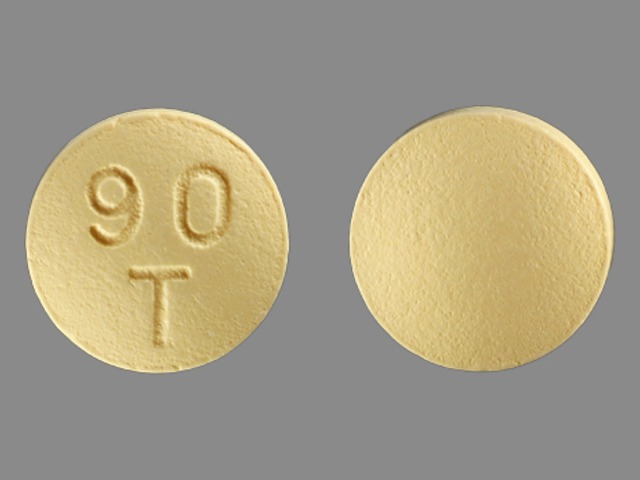
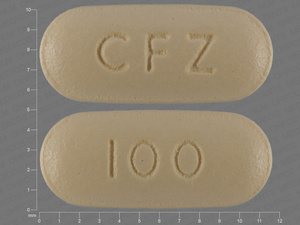
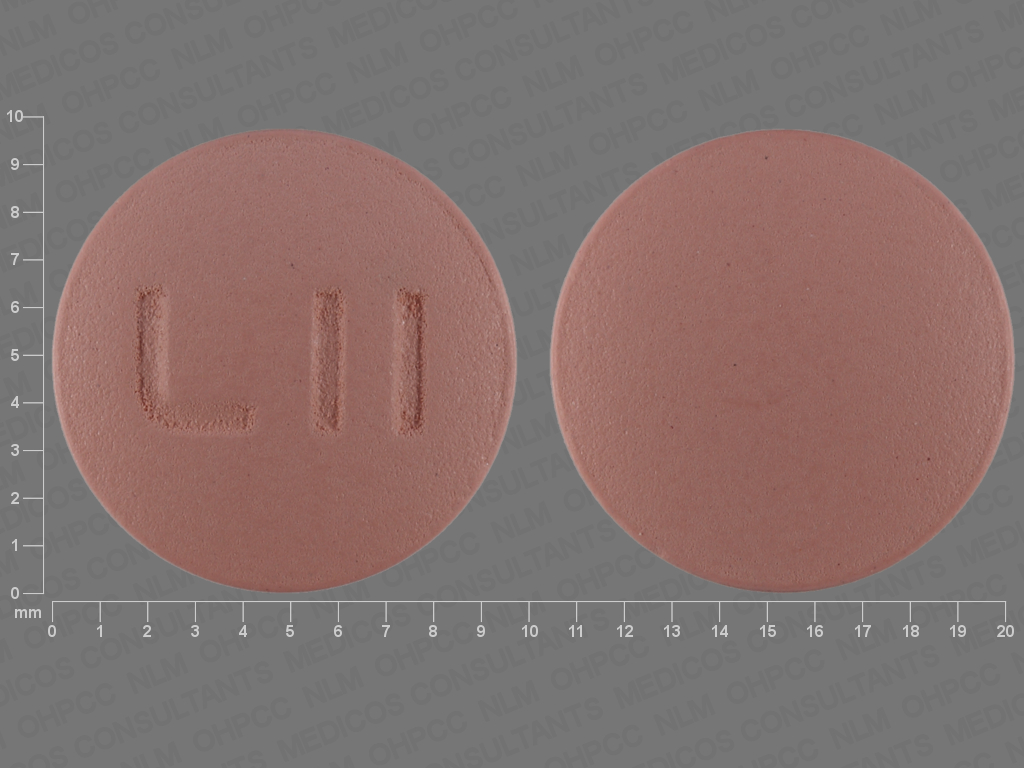
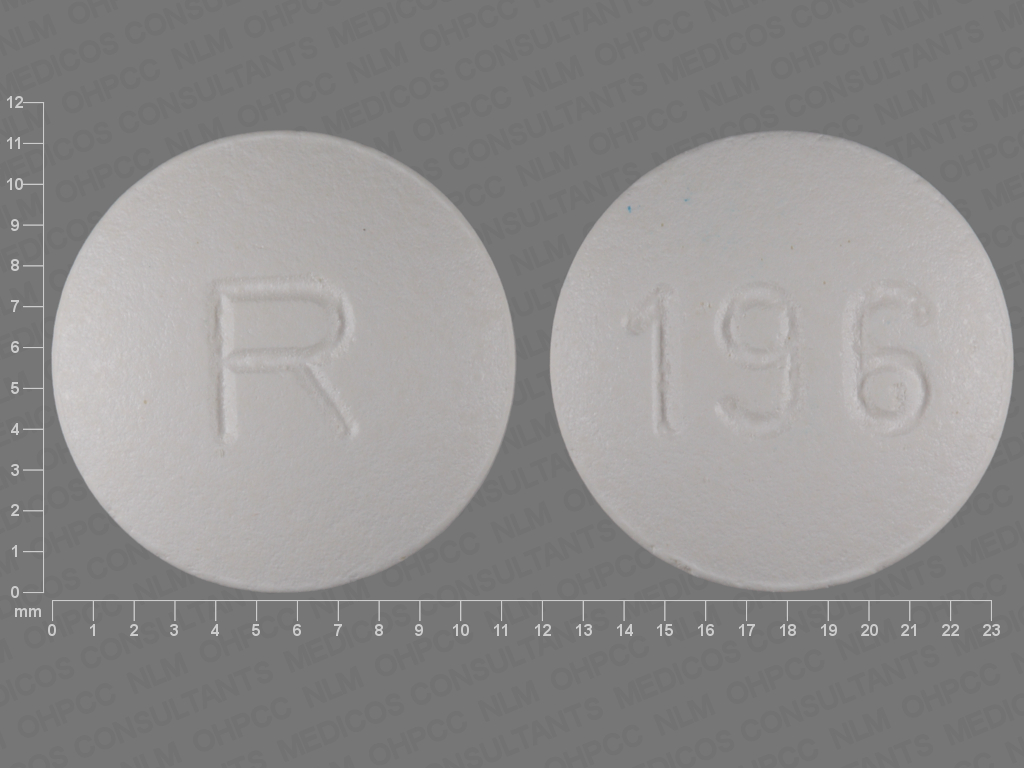
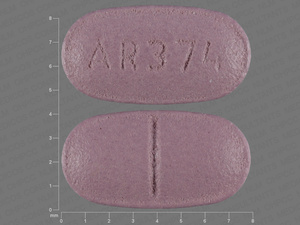
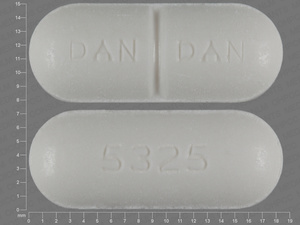
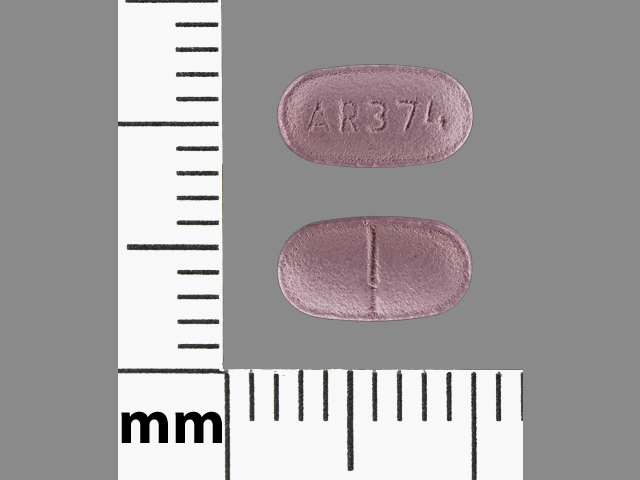
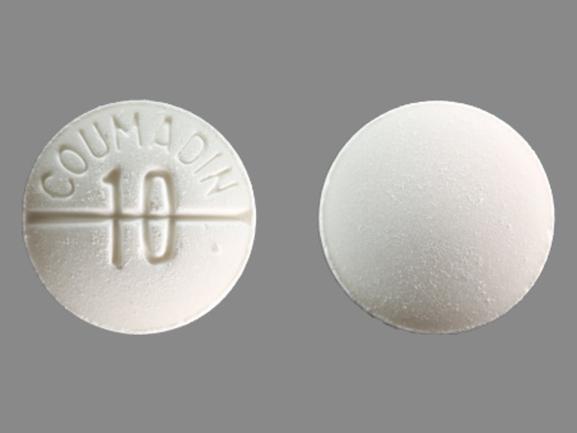
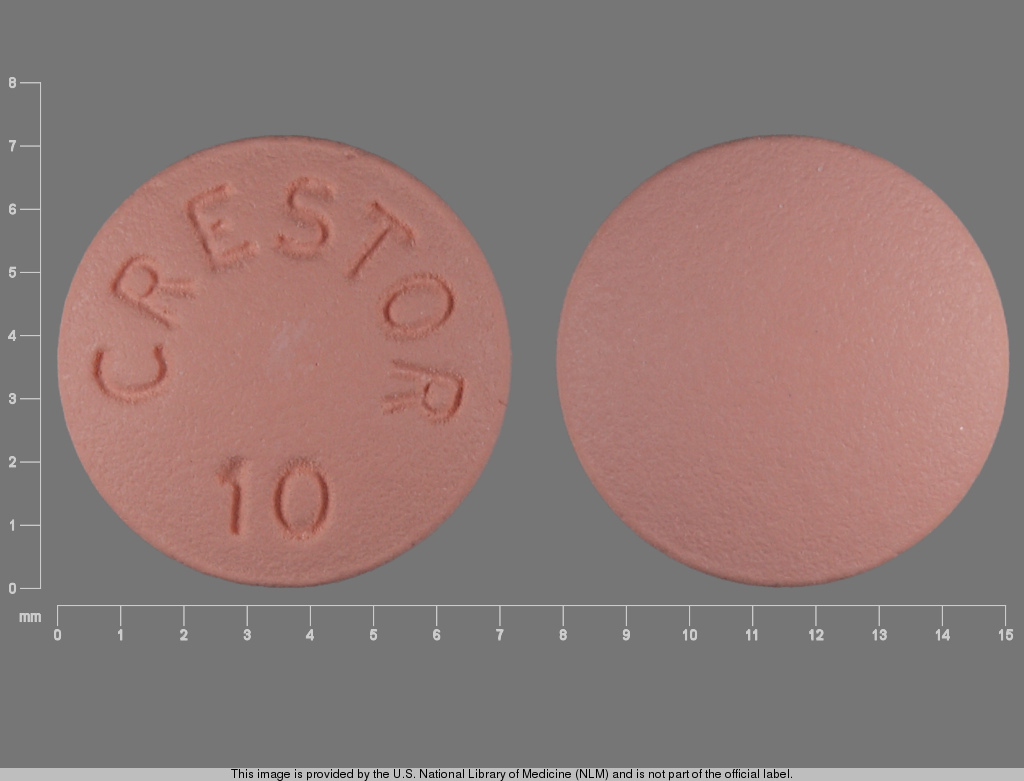
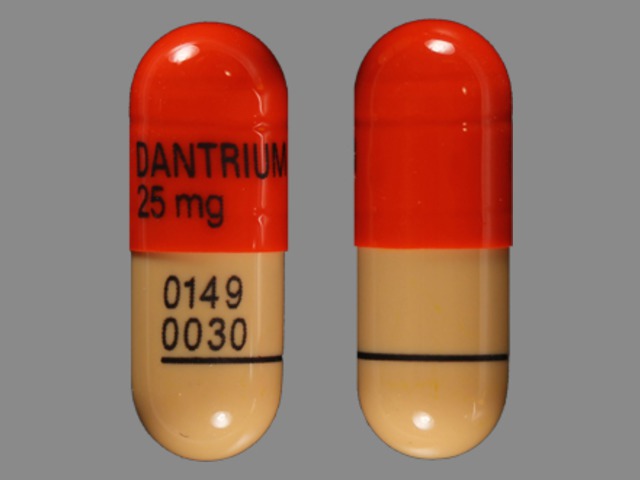
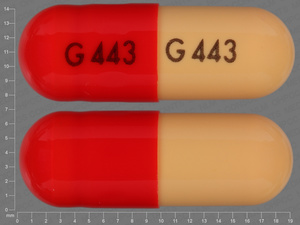
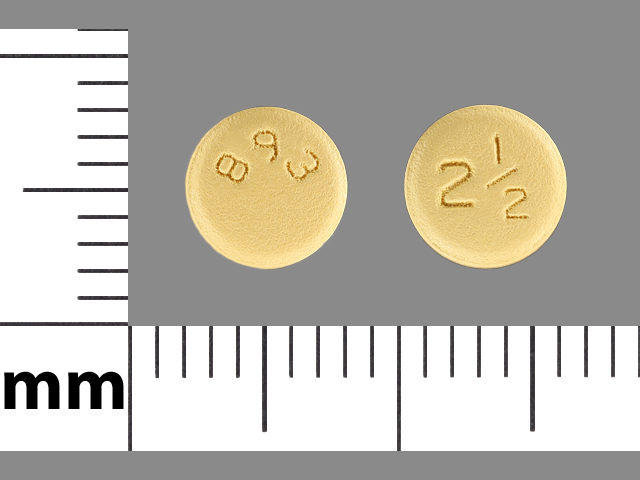
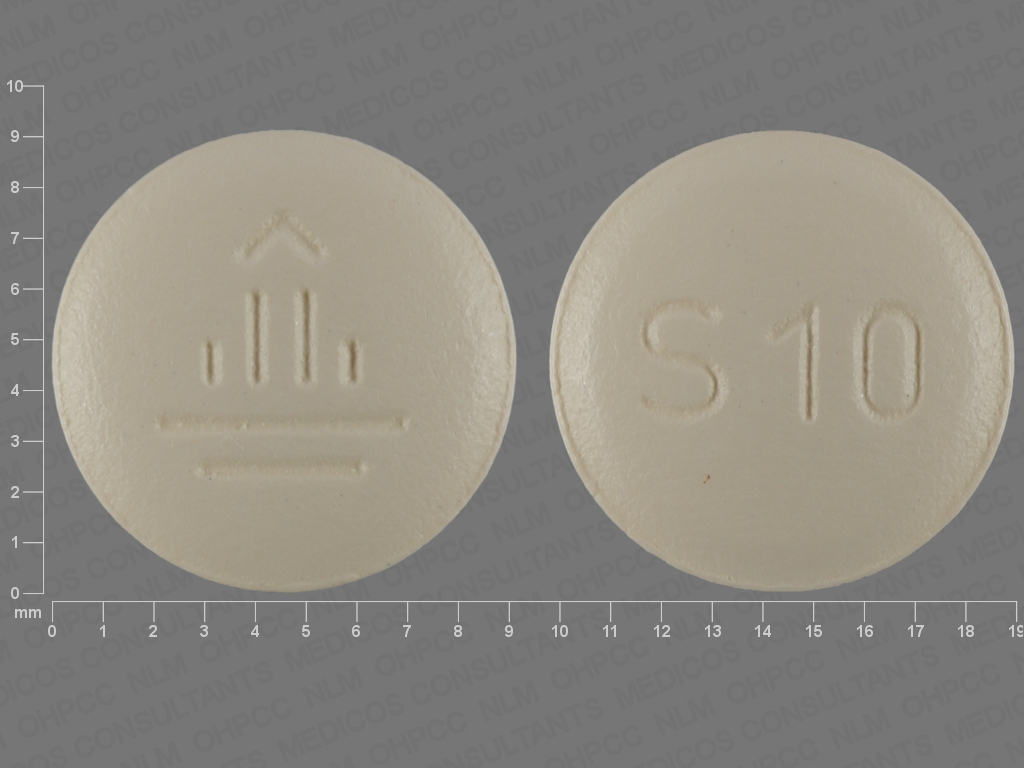
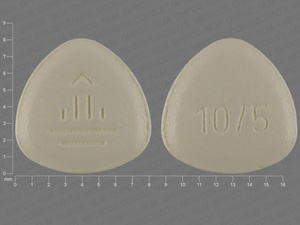
Showing 1–20 of 34
Related Conditions
⚠️ Disclaimer: Information is general and not medical advice. Consult your healthcare provider before starting, changing, or stopping any medication. Read full disclaimer.
Last reviewed: 2026-05-03